10 Mistakes That Ruin a Good Shawarma
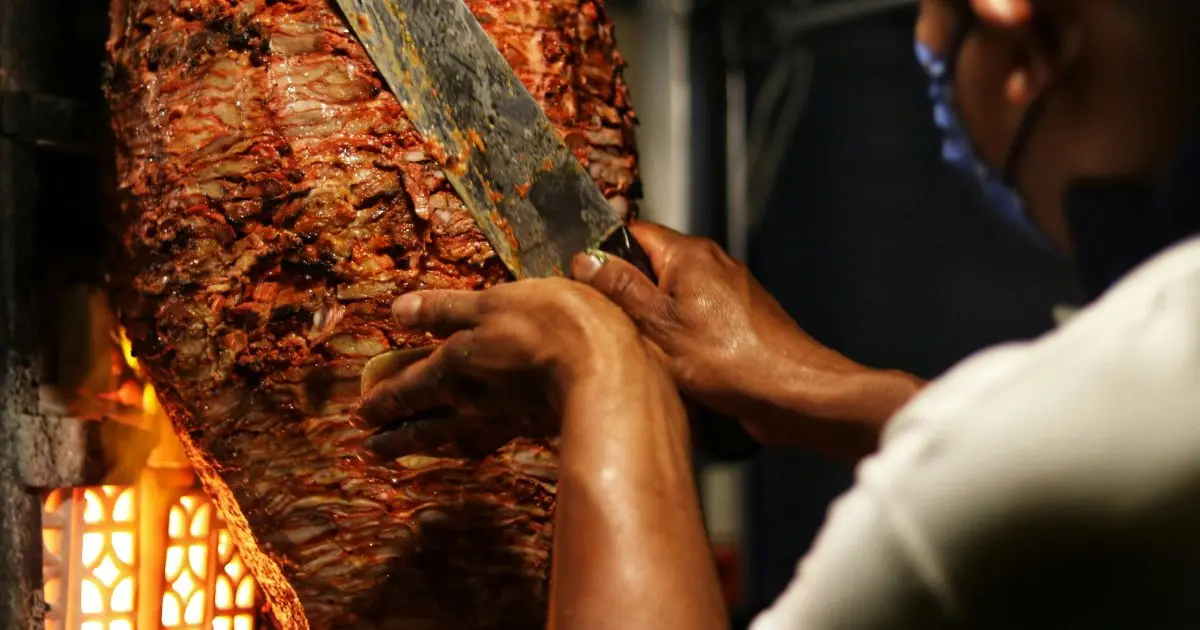
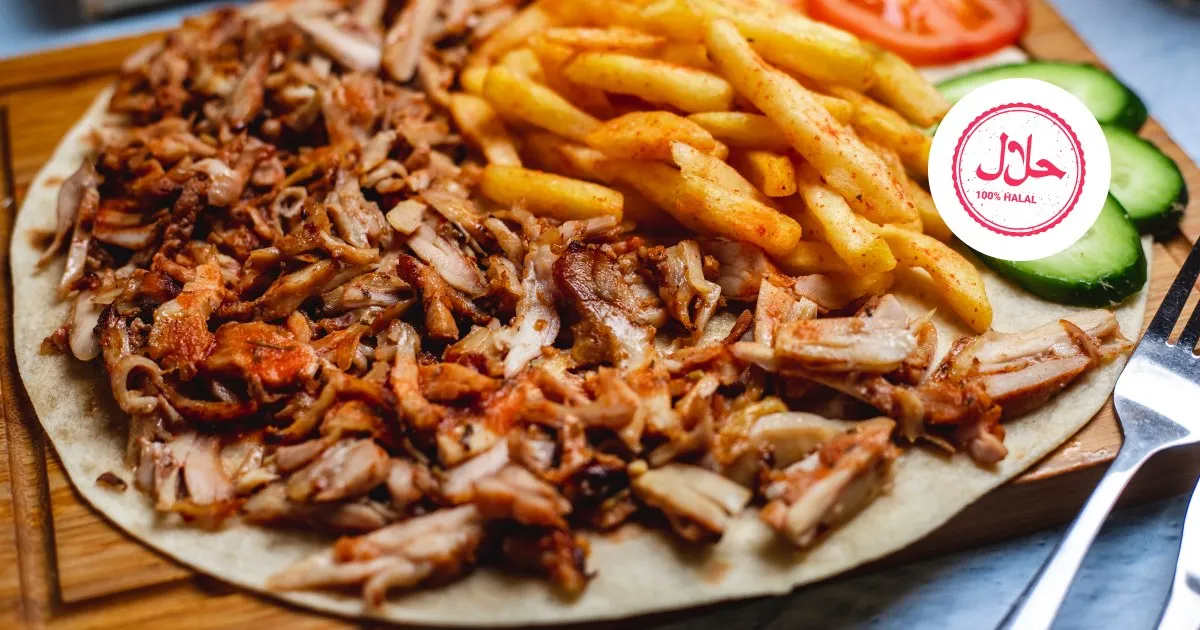
A good shawarma looks simple: Meat, bread, sauce, and a few toppings. In reality, it depends on a series of precise steps that need to work together. When one part is off, the entire result changes.
Most shawarma cooking errors are not dramatic. They are small decisions that seem harmless but affect flavor, texture, and balance. If you are trying to understand how to make perfect shawarma, the first step is knowing what to avoid while cooking shawarma and where things usually go wrong.
Weak or Rushed Marination
Shawarma begins before it touches the heat. The marinade is what builds the base flavor and prepares the meat for cooking.
A common mistake is treating marination as optional or cutting it short. When the meat does not have enough time to absorb spices, acidity, and oil, the result is shallow. You may still taste seasoning on the surface, but the inside remains plain.
A proper shawarma marinade needs time to work through the meat. It also needs balance. Garlic, spices, lemon, and oil should complement each other, not overpower. Without this step, the final result will always feel incomplete.
Using the Wrong Cut of Meat

The choice of meat directly affects the outcome. One of the most common shawarma cooking errors is using lean cuts, especially chicken breast.
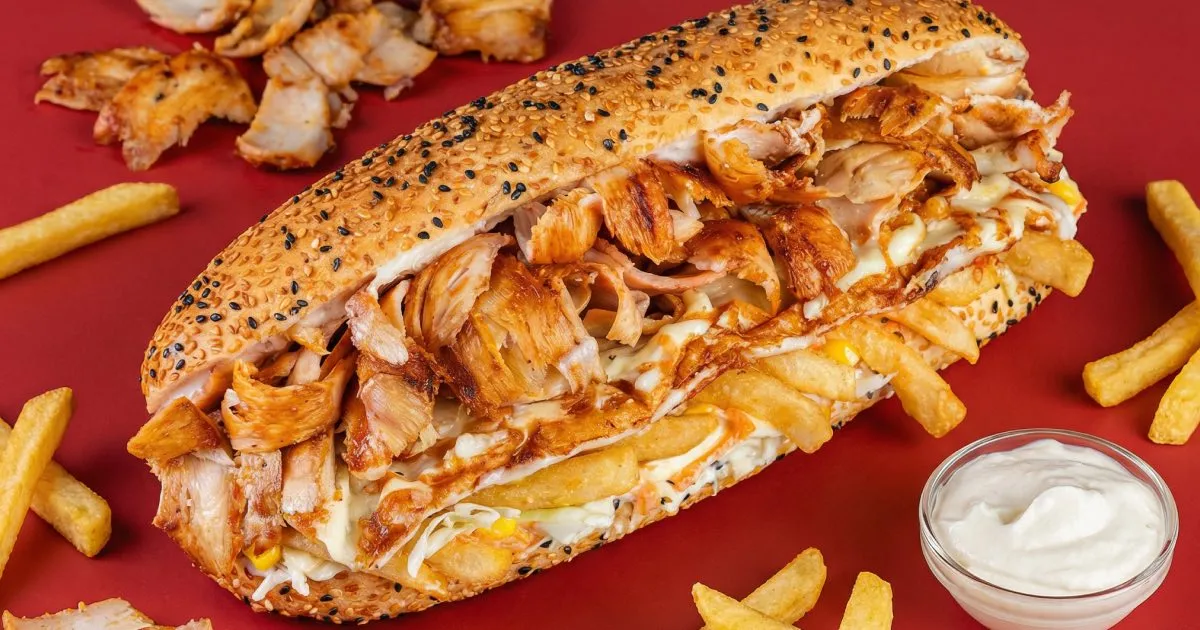
Shawarma relies on fat for both flavor and texture. Cuts like chicken thighs or properly layered beef retain moisture during cooking and allow the seasoning to develop properly. Lean cuts dry out quickly and lose their richness.
This is why even with the right spices, the result can still feel dry. The structure of the meat itself does not support the cooking method.
No Proper Heat or Lack of Char
Shawarma is not meant to be gently cooked. It requires high heat to create contrast between a slightly crisp exterior and a juicy interior.
Without enough heat, the meat releases moisture and begins to steam instead of roasting. This removes the depth that comes from caramelization. The outer layer should develop color and texture, which adds both flavor and structure.
When this step is missed, the meat becomes soft in the wrong way. It lacks the character that defines shawarma.
Overcrowding the Cooking Surface
Cooking too much meat at once is another common issue. When pieces are packed too closely together, they release moisture and lower the temperature of the surface.
Instead of searing, the meat cooks in its own liquid. This prevents browning and reduces the intensity of flavor. Spacing matters. Giving the meat room allows it to cook properly, develop texture, and maintain its integrity.
Cutting the Meat Incorrectly
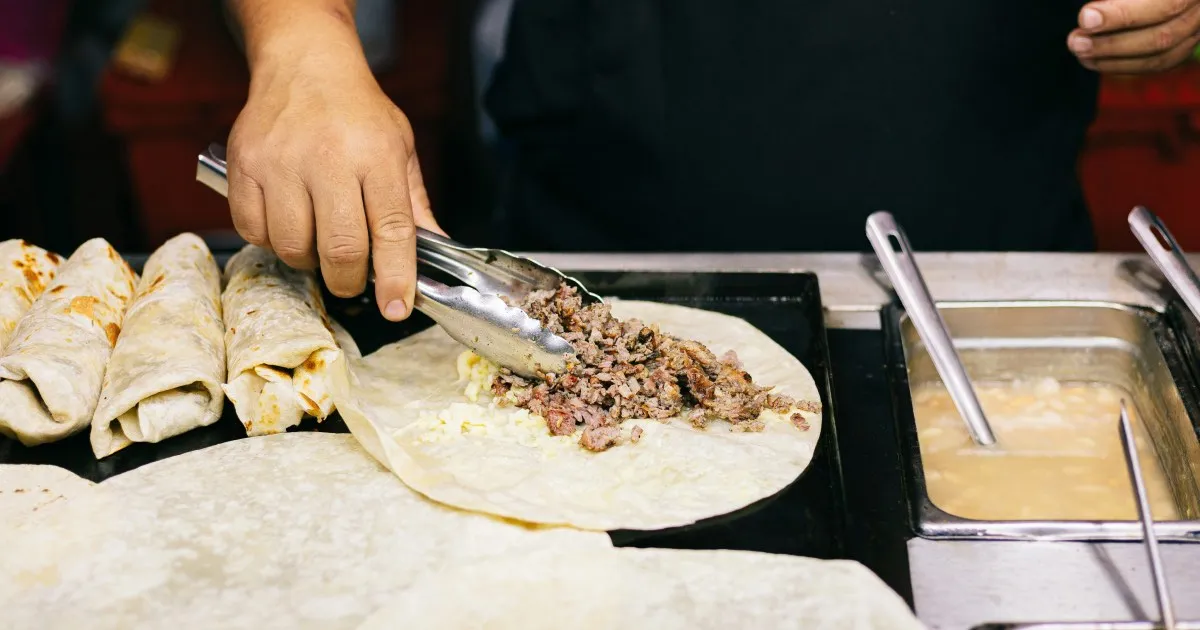
The way shawarma is cut affects how it cooks and how it is eaten. Thick chunks or uneven pieces do not behave the same way as thin slices.
Thin-slicing allows the marinade to penetrate more effectively and ensures even cooking. It also creates the texture people expect from shawarma, where each bite feels layered and balanced.
When the meat is cut incorrectly, the result feels heavy and inconsistent.
Overhandling the Meat While Cooking

Constantly flipping or stirring the meat prevents it from developing a proper surface.
Shawarma needs time in contact with heat to form a light crust. This is what gives it depth. Moving it too often interrupts that process.
Letting the meat cook undisturbed at the right moment makes a noticeable difference in both texture and flavor.
Unbalanced Shawarma Seasoning
Seasoning is not just about adding spices. It is about proportion.
Using too little results in bland meat. Using too much creates an overpowering taste that masks everything else. Ignoring acidity removes brightness and makes the dish feel heavy.
A proper shawarma seasoning balances warmth from spices, sharpness from garlic, and freshness from lemon. When this balance is off, the entire dish feels unstructured.
Ignoring the Supporting Elements
Shawarma is not just meat. It depends on what comes with it.
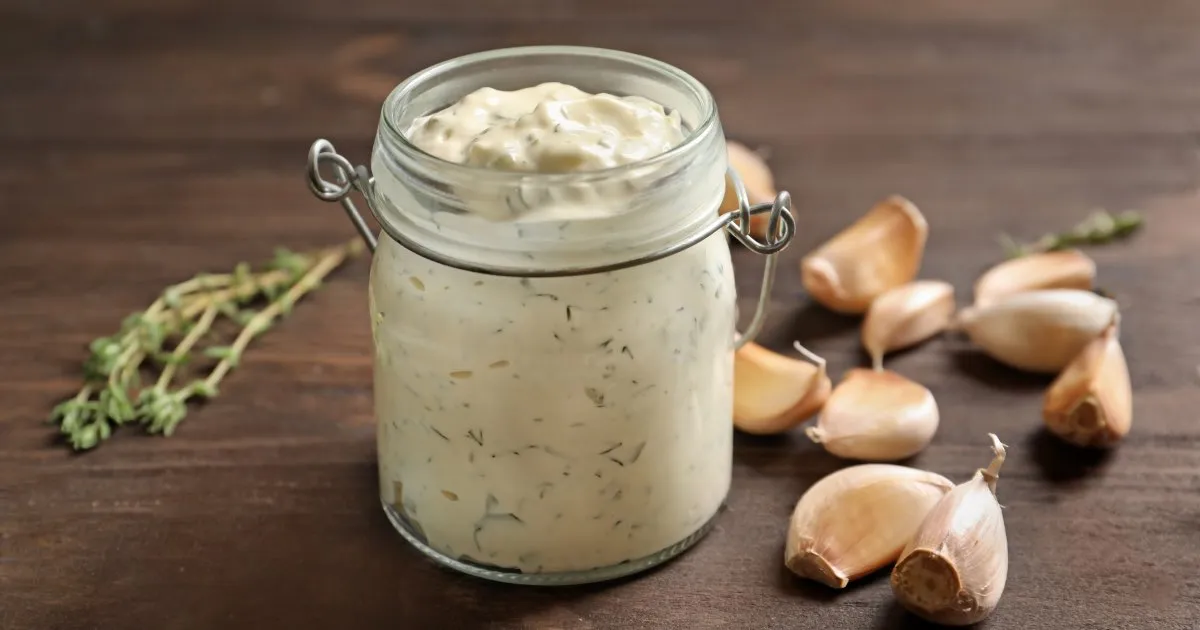
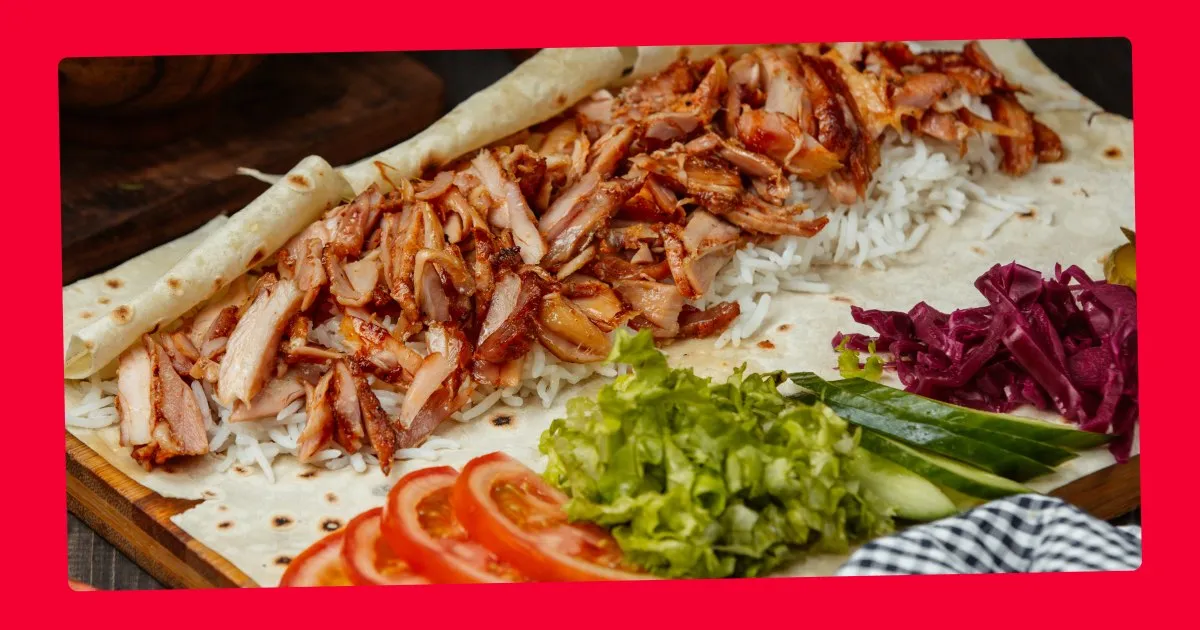
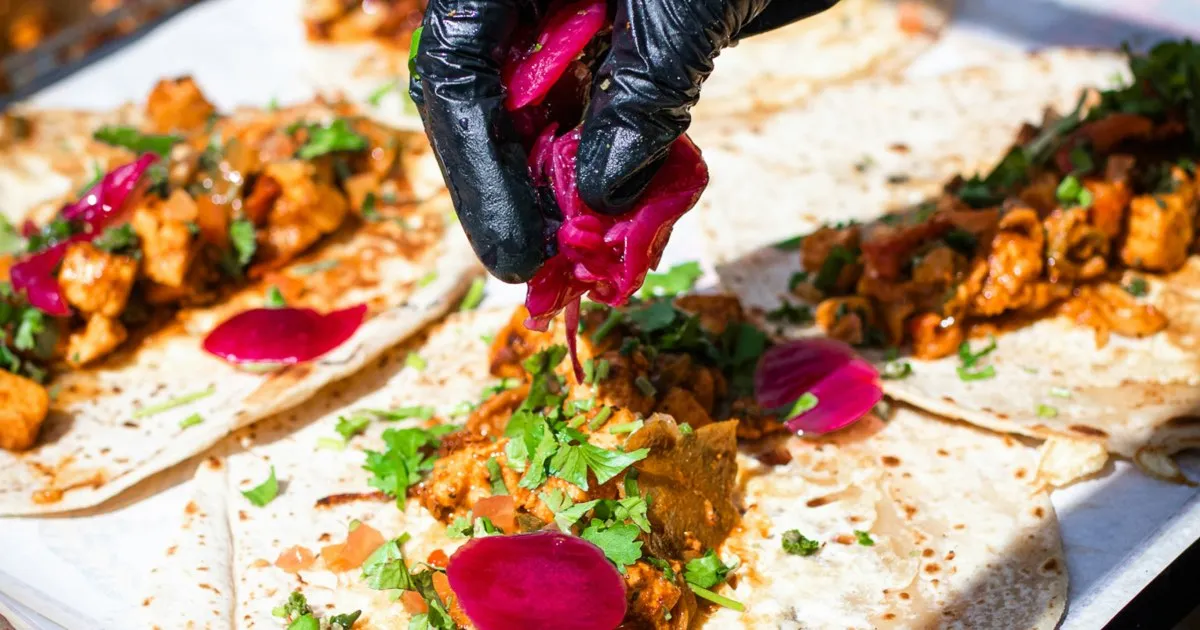
Garlic sauce, tahini, pickles, and fresh vegetables are not optional. They are part of the experience. Each one serves a purpose. Garlic sauce adds richness, pickles bring acidity, and vegetables add texture.
When these elements are missing or poorly chosen, the shawarma feels incomplete. It becomes heavy and one-dimensional.
Choosing the Wrong Bread
The bread holds everything together, both physically and in terms of taste.
Using the wrong type or poor-quality bread affects the entire structure. Bread that is too thick can overpower the filling. Bread that is too weak falls apart.
Saj and pita are commonly used because they provide the right balance of softness and strength. They support the ingredients without taking over.
Treating Shawarma as a Simple Wrap
One of the most overlooked mistakes is thinking shawarma is just a combination of ingredients.
In reality, it is a system. Each part connects to the next. The marinade affects the cooking. The cooking affects the texture. The texture affects how it works with the bread and sauces.
When one element is ignored, the rest cannot compensate. This is why a shawarma can look correct but still feel off.
Conclusion
A good shawarma is built through attention to detail. The difference between an average result and a strong one often comes down to small choices made at each step.
Understanding these common shawarma mistakes helps clarify what actually matters.
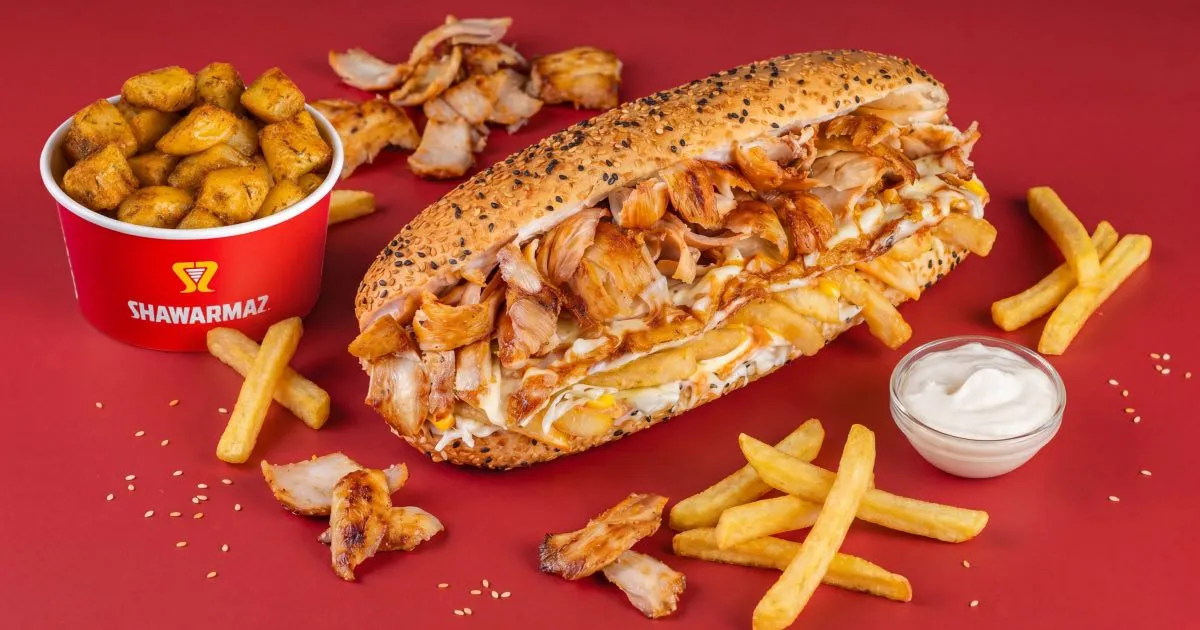
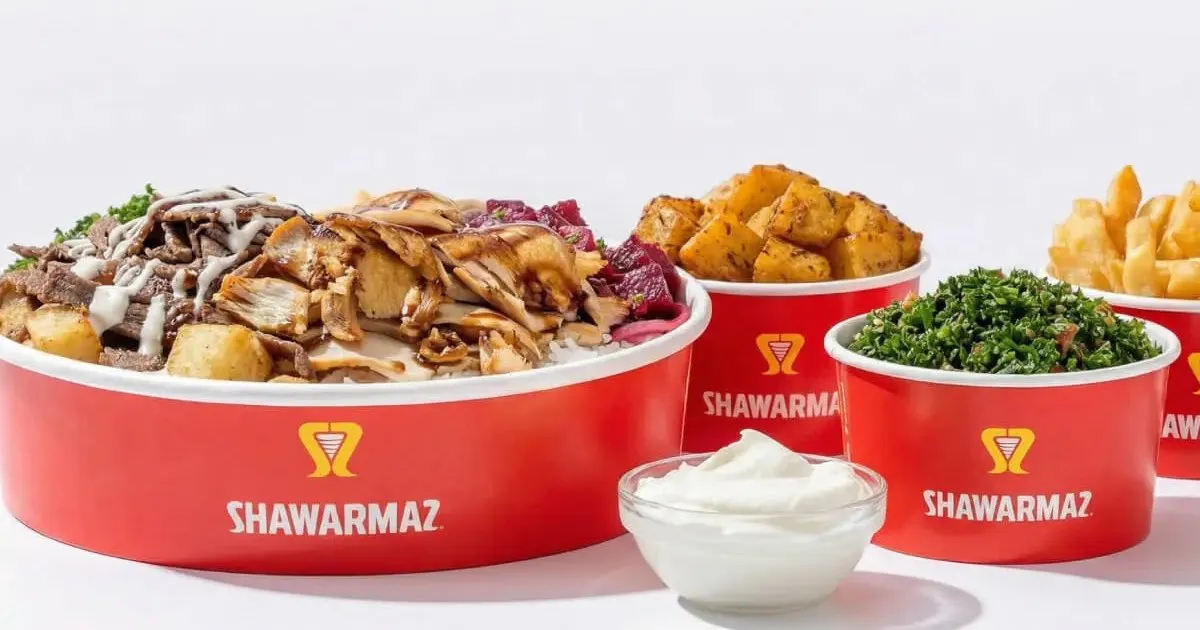
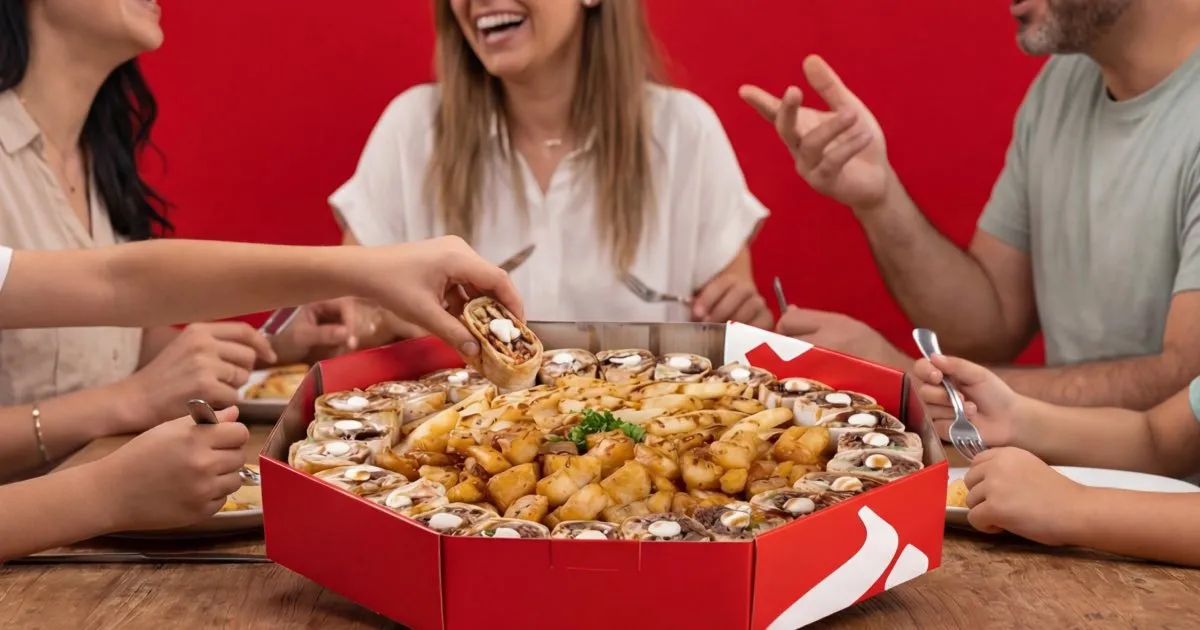
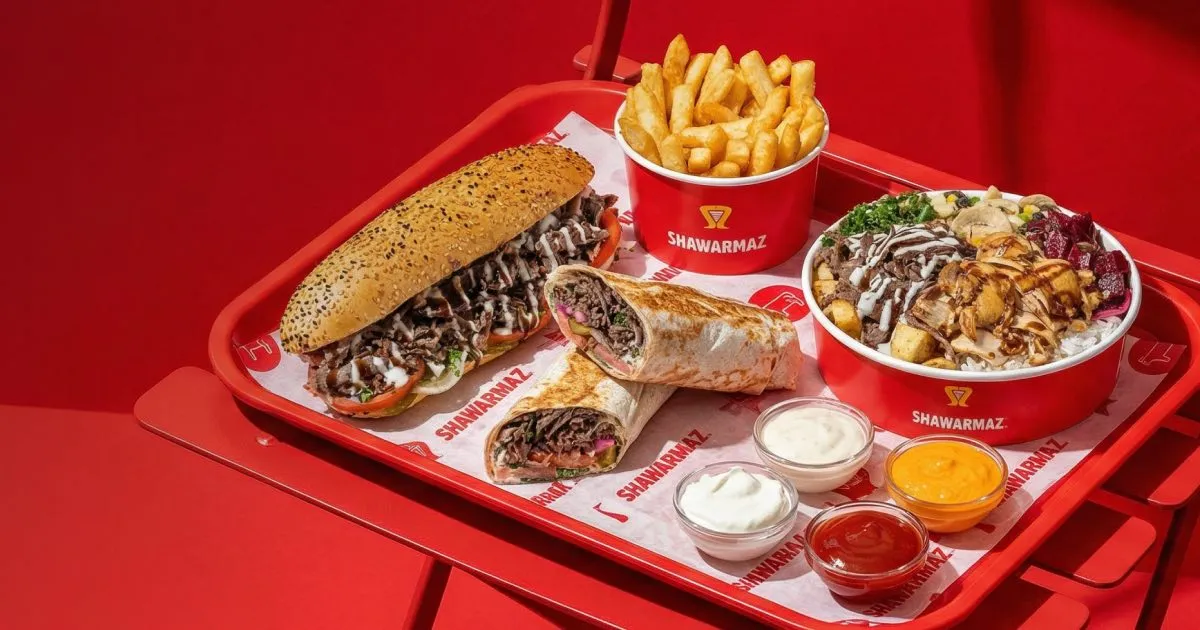
If you want to understand what that looks like in practice, the best way is to experience it directly. If you are looking for where to try the best shawarma in Montreal, choose a place that respects every step of the process and delivers it consistently. Choose Shawarmaz.
FAQs
1. What are the most common shawarma mistakes?
The most common shawarma mistakes include skipping proper marination, using the wrong cut of meat, cooking at low heat, overcrowding the pan, and ignoring key elements like sauces and pickles.
2. Why does my shawarma turn out dry?
Shawarma often becomes dry when lean cuts like chicken breast are used or when the meat is overcooked without enough fat or proper marination.
3. How can I make perfect shawarma at home?
To make perfect shawarma, use well-marinated meat, choose the right cut such as chicken thighs, cook at high heat for proper char, and balance it with sauces and fresh toppings.
4. What should I avoid while cooking shawarma?
Avoid rushing the marinade, overcrowding the cooking surface, constantly flipping the meat, and using unbalanced seasoning, as these reduce flavor and texture.
5. Where can I try the best shawarma in Montreal?
You can try the best shawarma in Montreal at places that focus on proper technique, balanced flavor, and consistent preparation across every order.