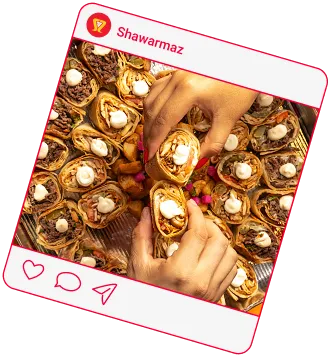
Why Multi-Revenue Restaurant Models Perform Better Today
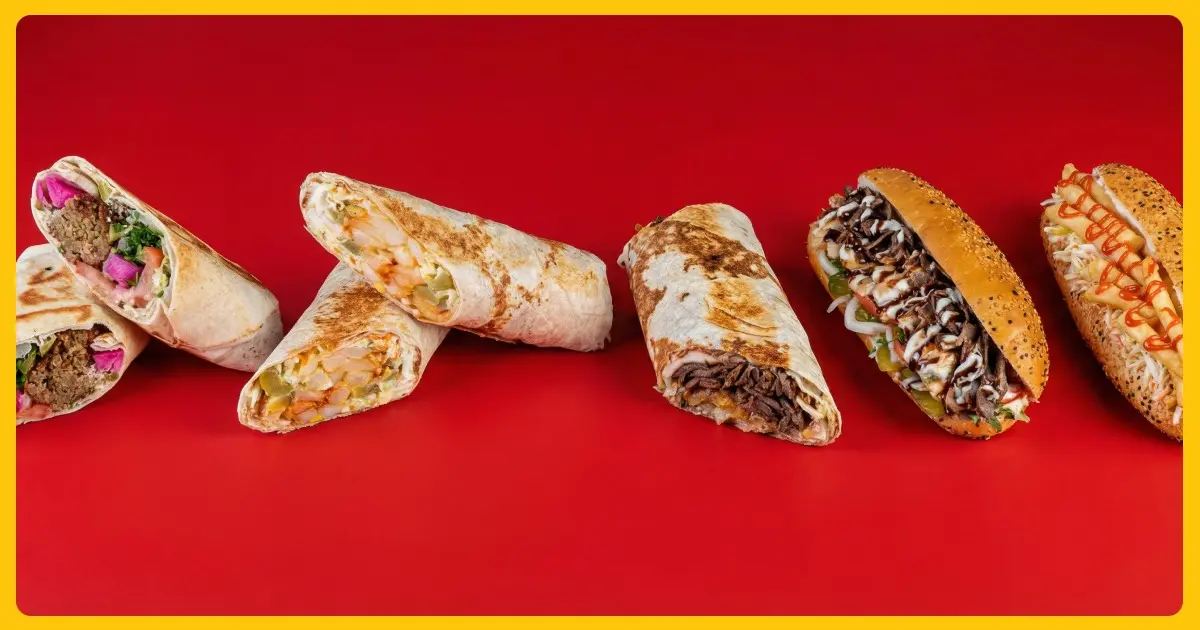
The restaurant industry no longer revolves around dine-in traffic alone. Customers now move between delivery, takeout, catering, pickup, and in-person dining depending on convenience and routine. Because of this shift, restaurants that rely on only one source of income are finding it harder to stay competitive long term.
This is why multiple-revenue restaurants are performing better today. Modern restaurant strategy now focuses on building several restaurant revenue streams that work together at the same time, creating stronger stability, flexibility, and long-term growth.
For franchise investors especially, restaurant models that support delivery, catering, dine-in, and group ordering simultaneously are becoming far more valuable in today’s market.
What a Multi-Revenue Restaurant Model Actually Means
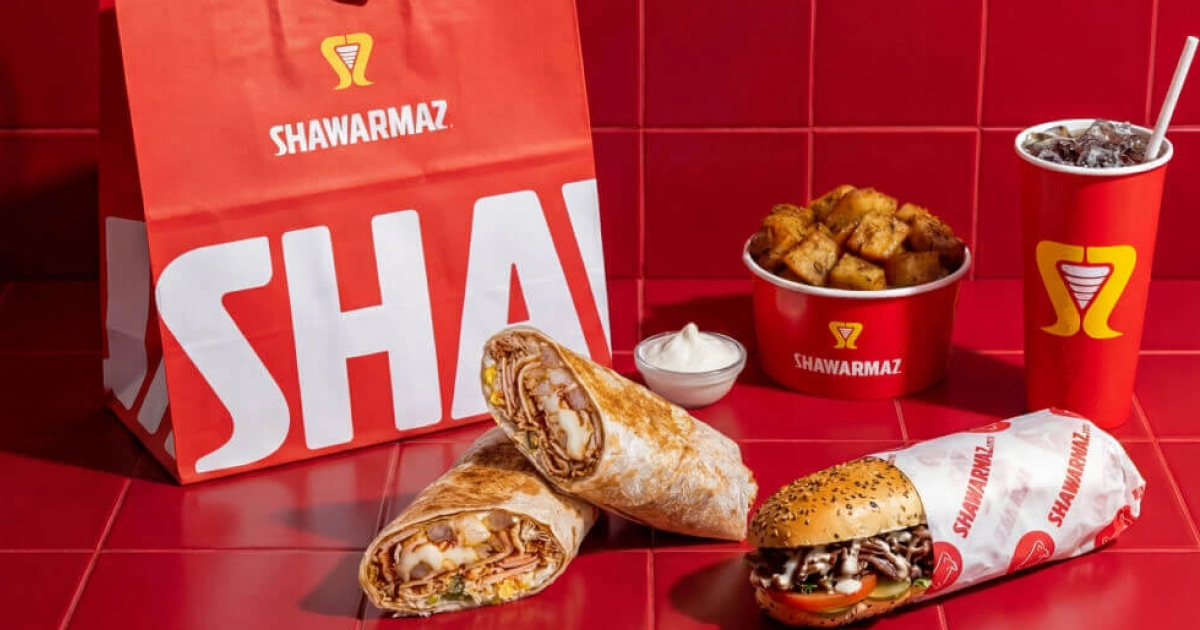
A multi-revenue restaurant model is exactly what the name suggests. Instead of generating income through one dining format, the business operates across several channels simultaneously.
Today, successful restaurants often combine:
Dine-in service
Takeout
Delivery
Online ordering
Catering
Pickup orders
This creates a more balanced business structure because revenue no longer depends on one type of customer behavior.
Years ago, restaurants could survive mainly through foot traffic and in-person dining. That environment has changed completely. Consumers now expect restaurants to fit into their routines, however they choose to order. Some customers dine in during weekends, order delivery during workdays, and place catering orders for office events, all from the same restaurant.
Why Restaurants Can No Longer Depend Only on Dine-In Traffic
One of the biggest realities in the modern restaurant industry is that dine-in traffic fluctuates constantly. Weather changes behavior. Work-from-home schedules affect lunch patterns. Delivery apps influence convenience. Events, commuting habits, and lifestyle changes all impact how people interact with restaurants.
A restaurant built entirely around tables and walk-in traffic becomes vulnerable when those patterns shift.
This is one of the biggest reasons restaurant revenue streams matter more than ever. Restaurants operating through multiple channels continue generating income even when one area slows down temporarily.
A strong delivery operation can compensate for slower in-person traffic. Catering can create larger order values during office hours. Pickup systems can maintain fast turnover during busy periods without requiring additional seating capacity. The business becomes more adaptable because customers can still access the brand in multiple ways. That adaptability is now one of the most important factors in long-term restaurant performance.
Why Multiple Revenue Streams Create More Stability
Financial stability is one of the biggest advantages of multiple-revenue restaurants.
Restaurants with diversified operations are not relying on one customer pattern to survive. Instead, they spread operational risk across several channels. This creates a stronger foundation for long-term growth because the business keeps moving from multiple directions at once. For example, catering business growth has become one of the most important opportunities in the industry. A single catering order can generate significantly larger revenue than individual customer transactions while using the same kitchen infrastructure already in place.
Fast Casual Restaurants Are Naturally Positioned for This
Not every restaurant category adapts equally well to multiple revenue channels.
Fast casual concepts perform especially well because they already prioritize:
Speed
Operational efficiency
Scalable preparation
Portability
Consistency
This is one reason shawarma restaurants fit modern restaurant strategy so effectively.
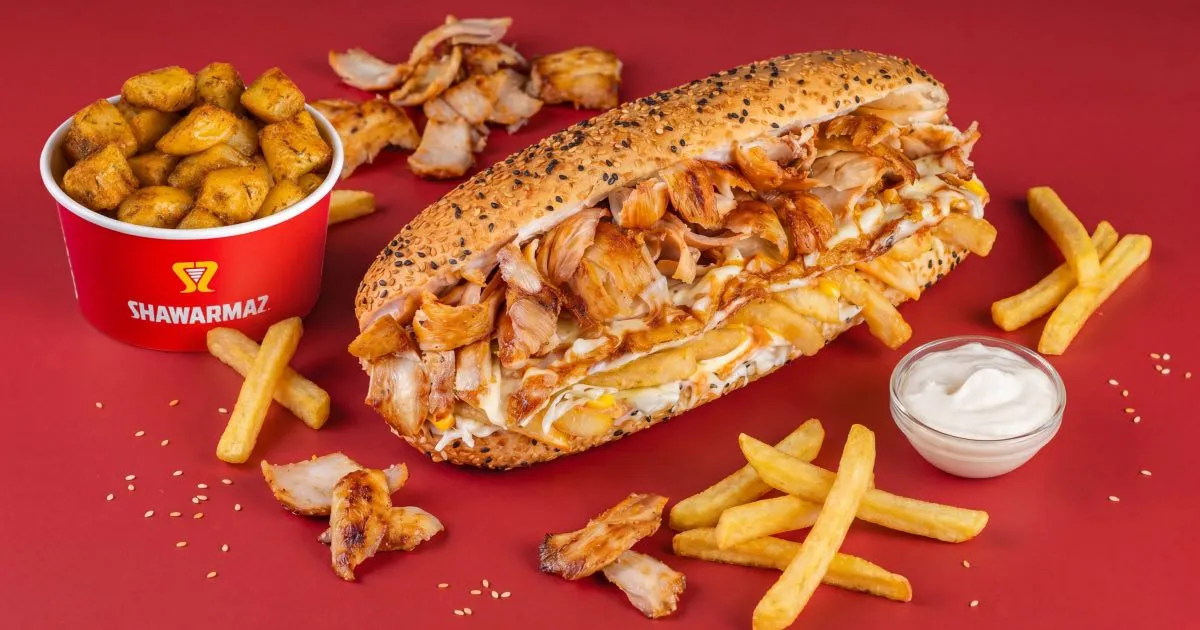
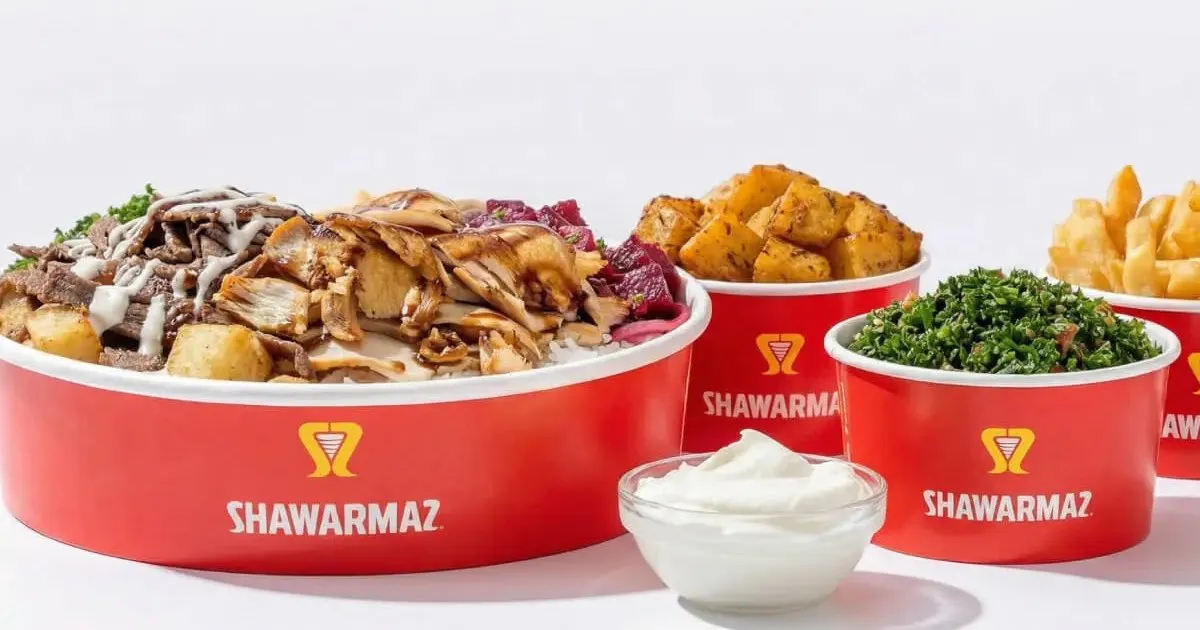
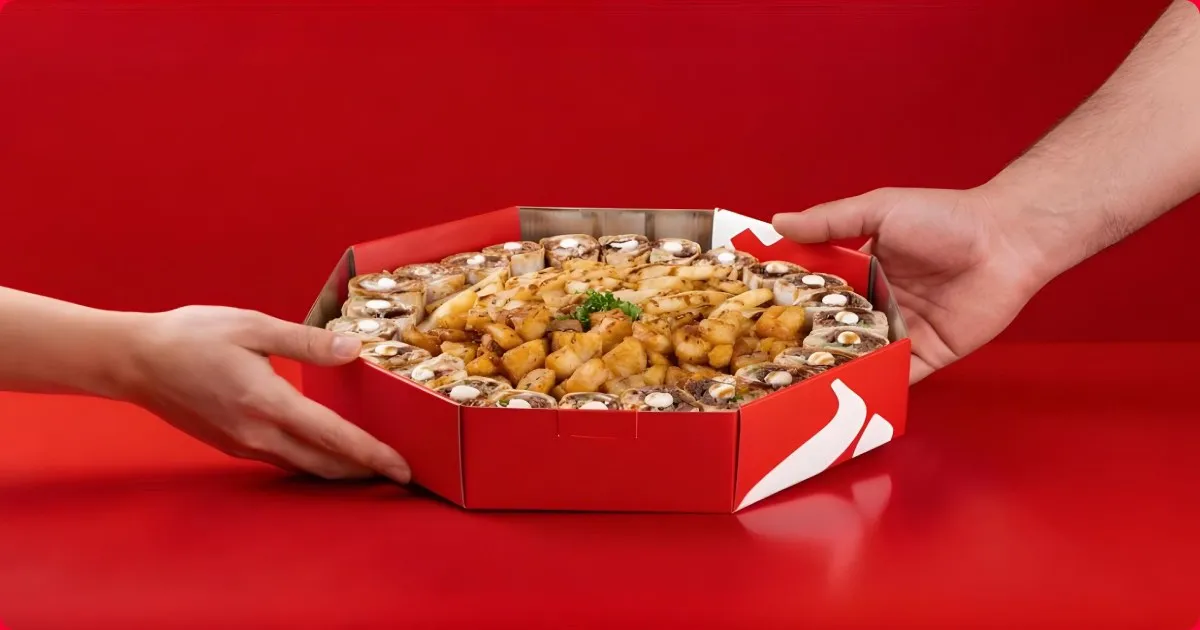
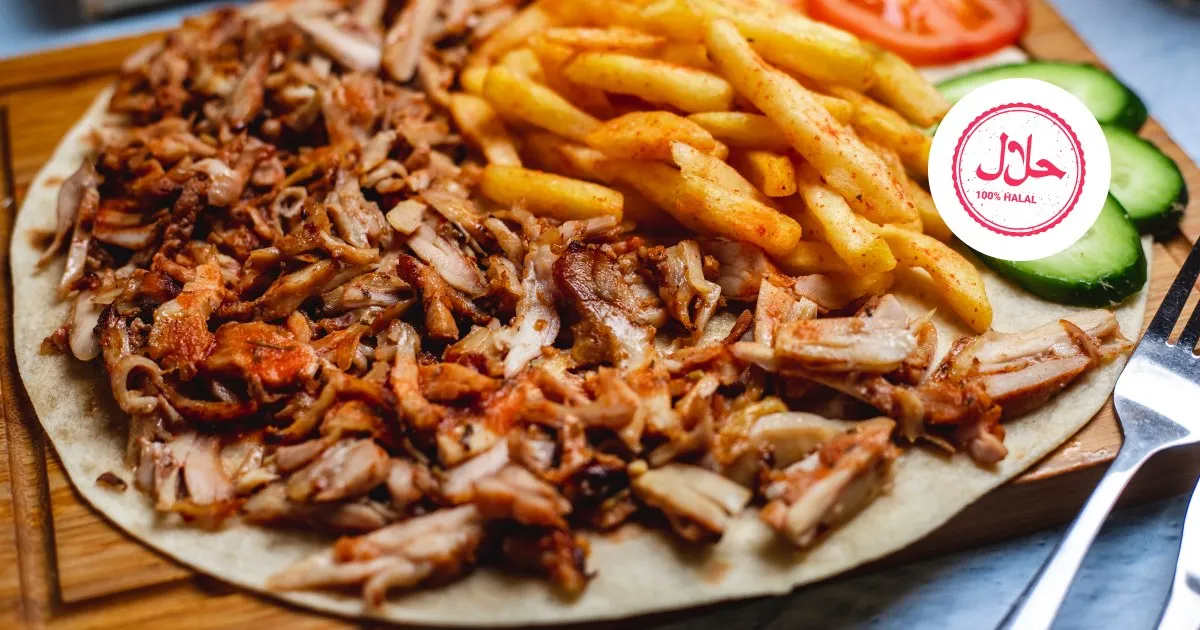
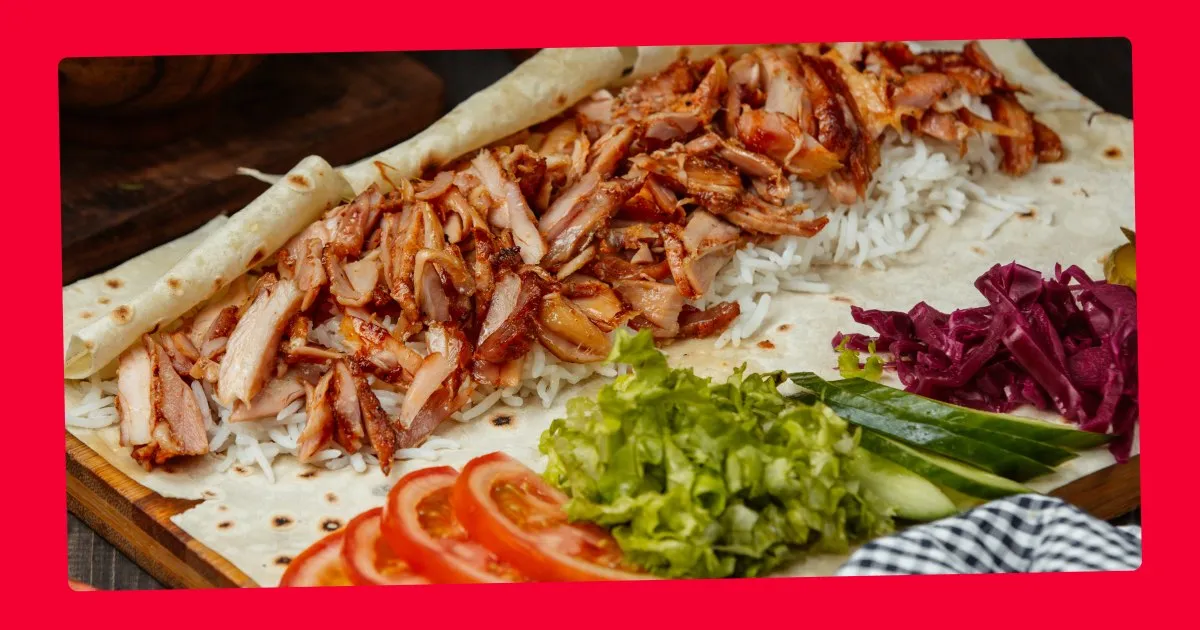
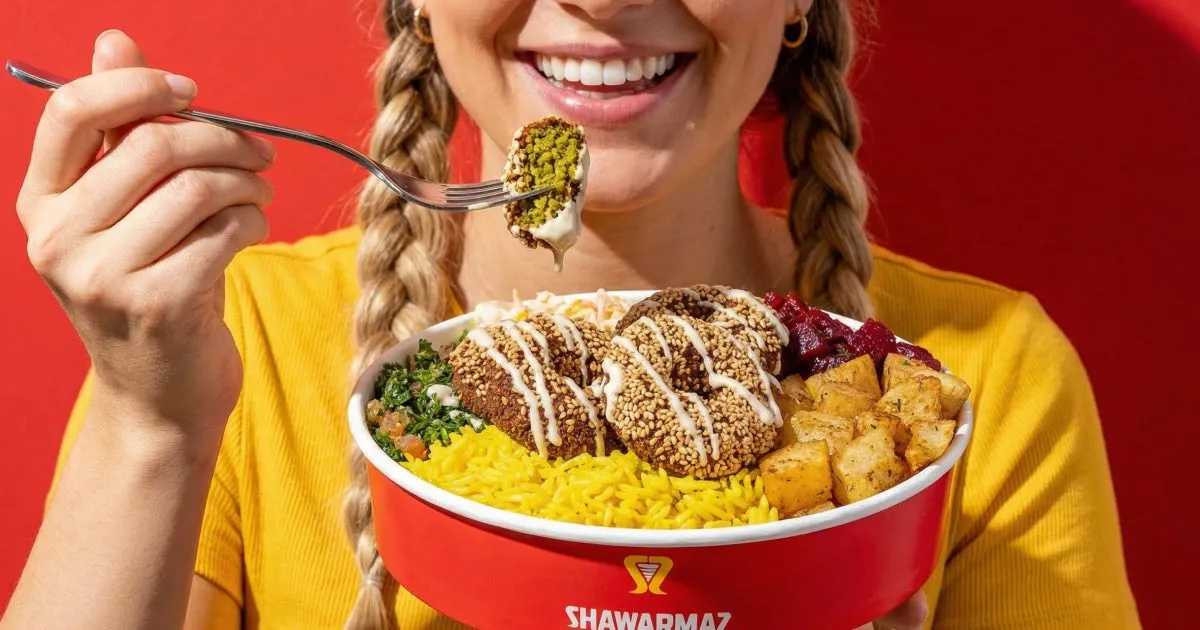
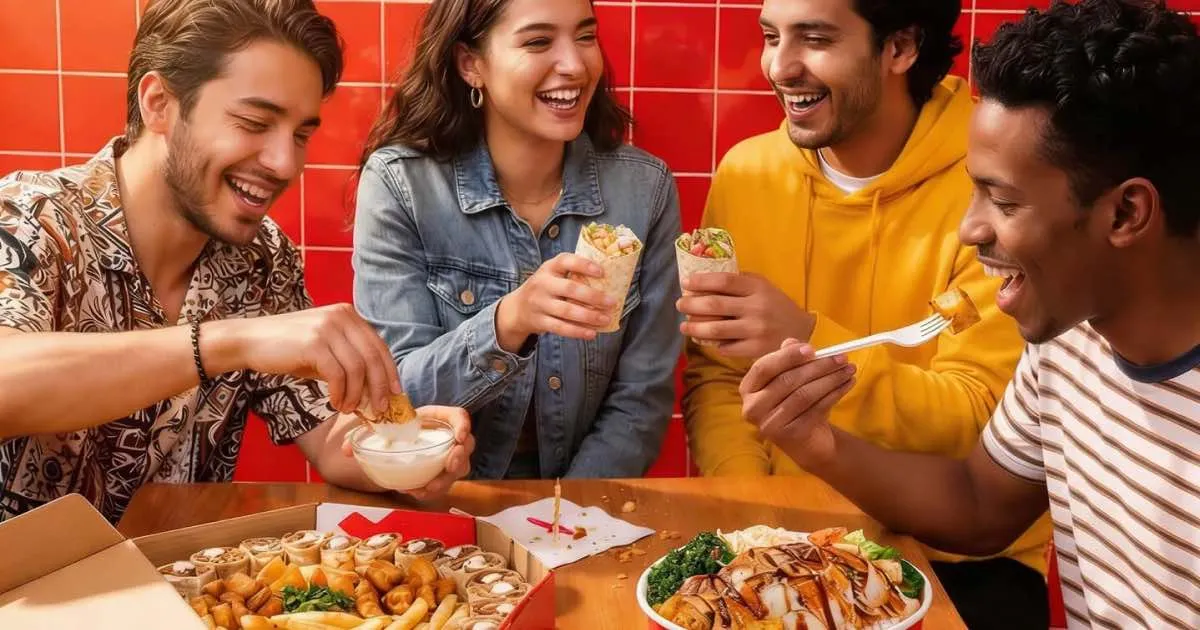
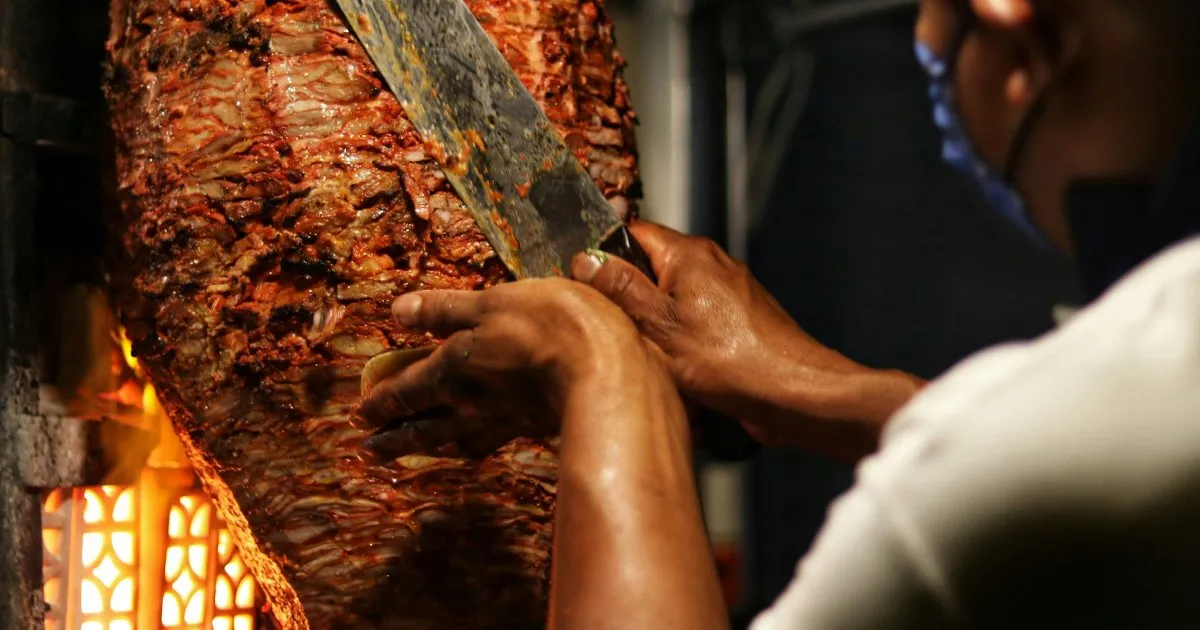
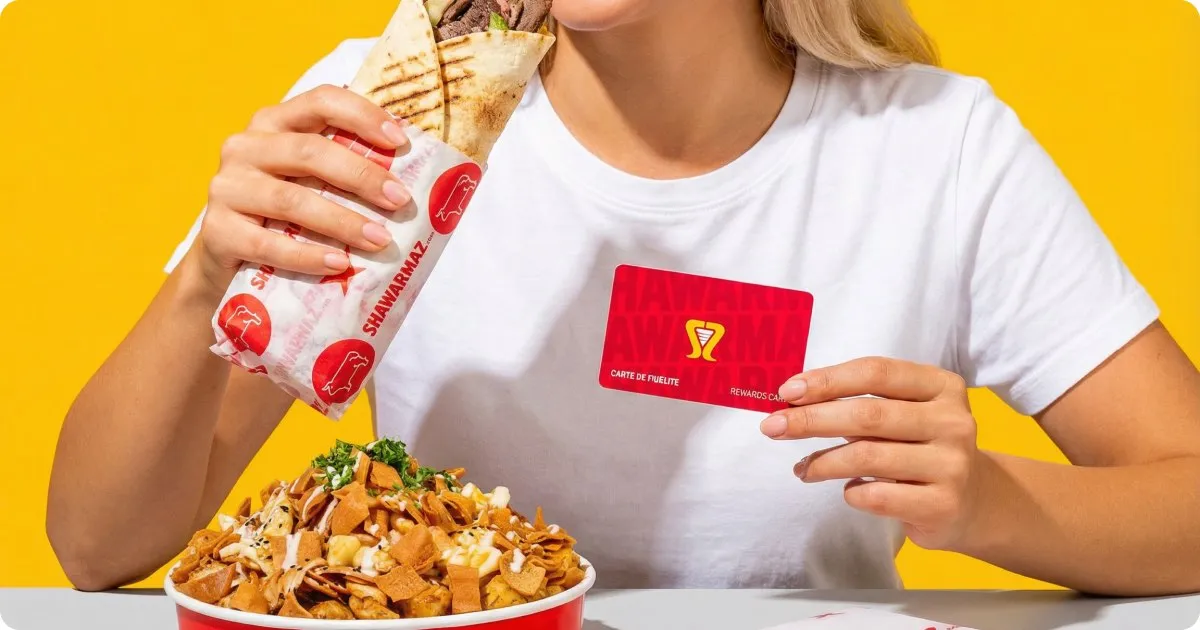
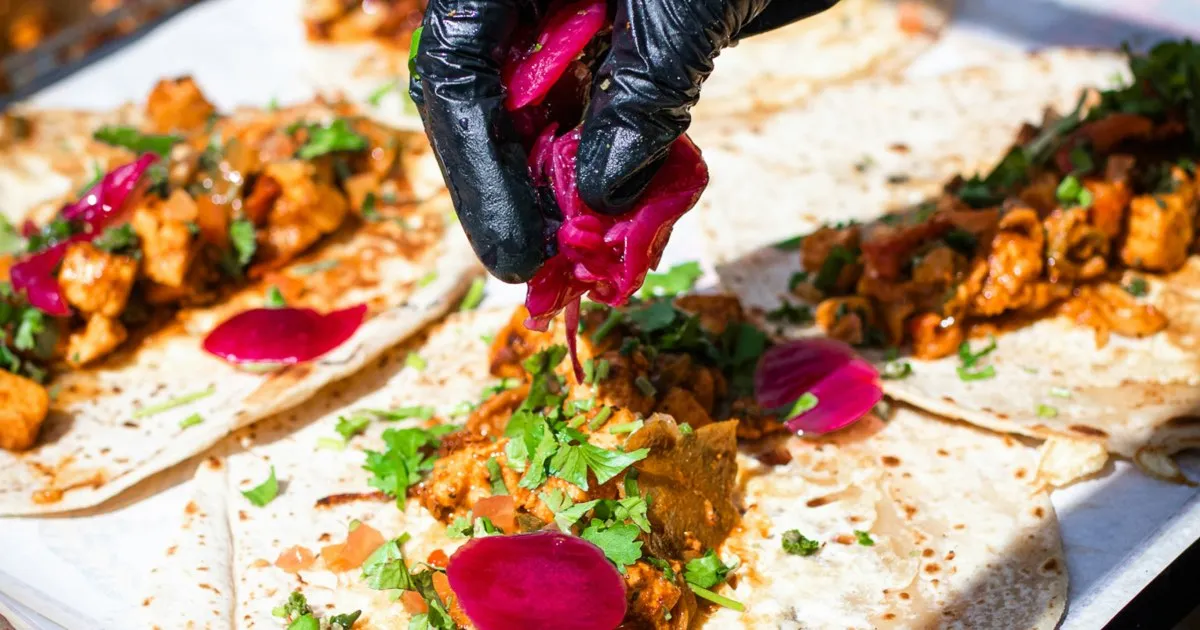
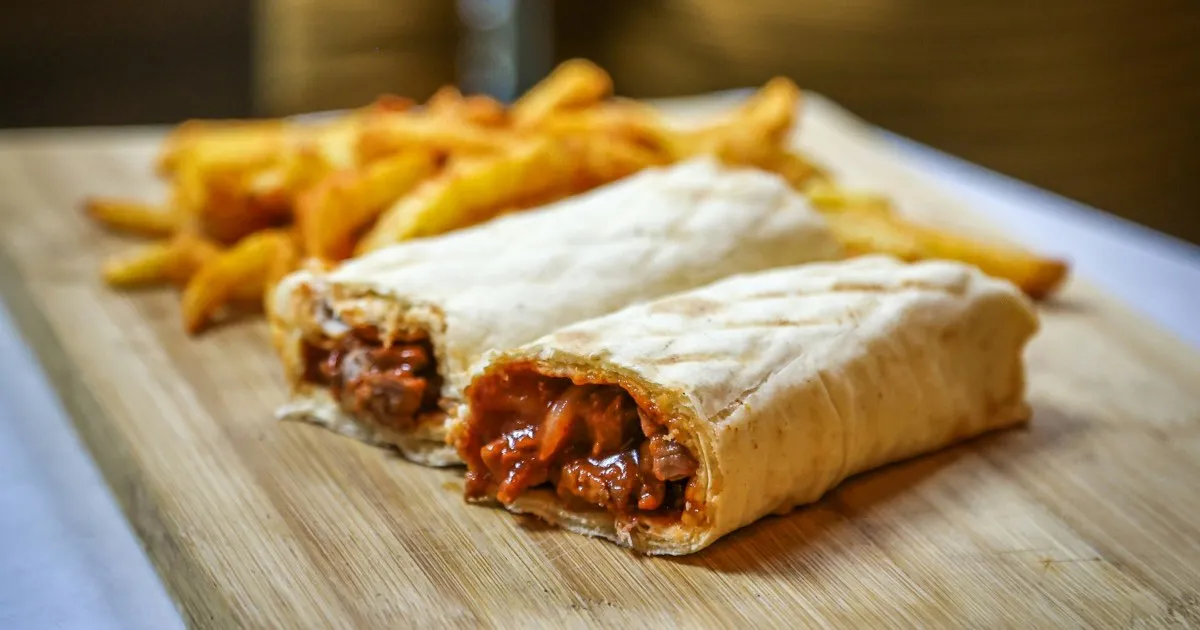
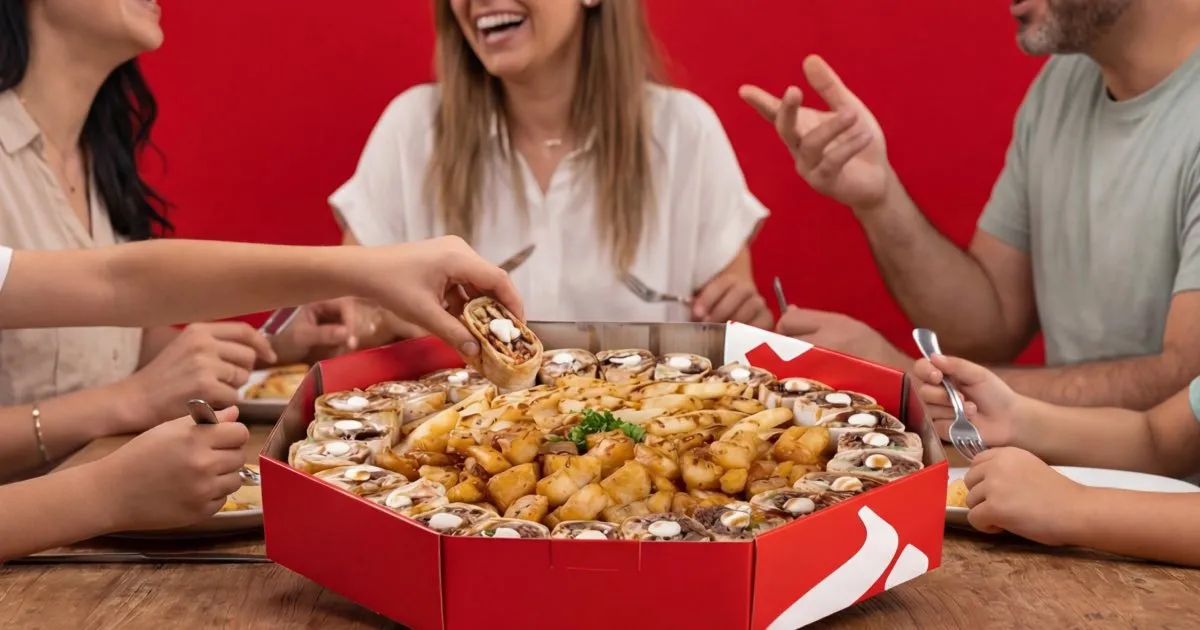
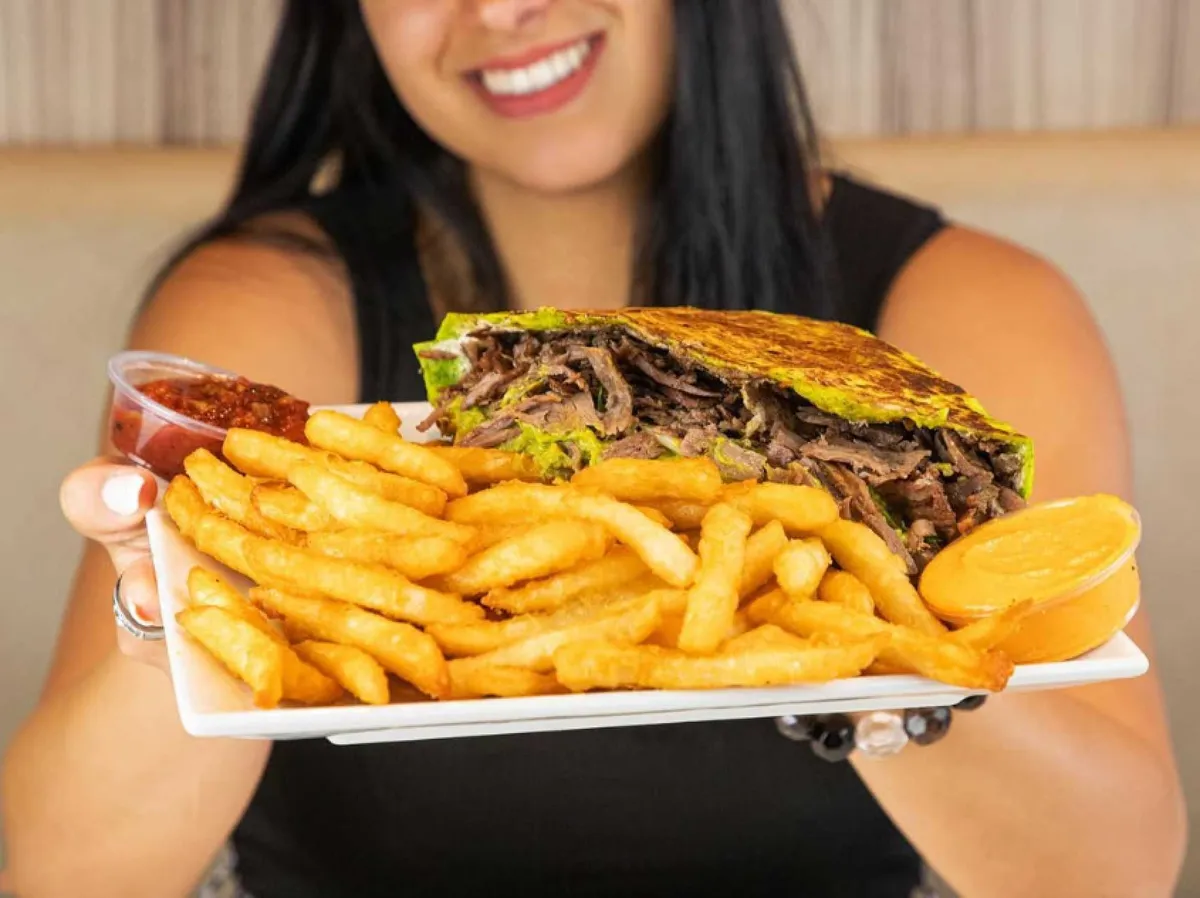
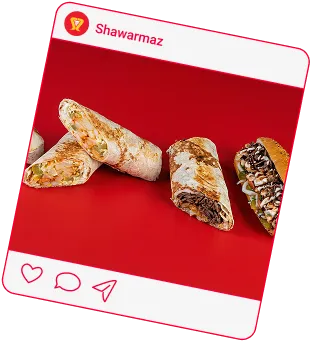
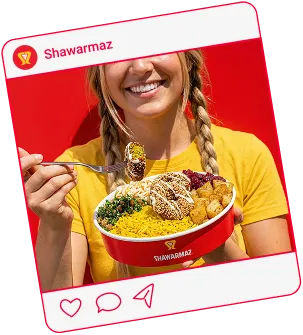
Shawarma works naturally across multiple formats. Wraps travel well for delivery. Bowls hold up during pickup orders. Platters work perfectly for group meals and office catering. The same kitchen operation can support dine-in guests while simultaneously preparing catering trays and online orders. That flexibility becomes extremely valuable in today’s market.
Unlike concepts that struggle with delivery quality or large-volume preparation, shawarma adapts naturally to different customer behaviors without requiring a completely different operational system. This is a major reason why fast-casual Middle Eastern restaurants continue expanding across urban markets like Montreal.
Why This Matters Even More in Franchising
The best restaurant franchise model today is no longer based only on food quality or brand recognition. Operational adaptability now plays a massive role in franchise success.
Franchise systems already benefit from:
Standardized workflows
Supplier relationships
Scalable operations
Operational consistency
Established brand awareness
When these systems are combined with multiple revenue channels, franchise owners gain a much stronger business structure from the start. This creates a more stable and scalable operation compared to traditional single-format restaurant models.
Why the Shawarmaz Franchise Fits Modern Restaurant Growth
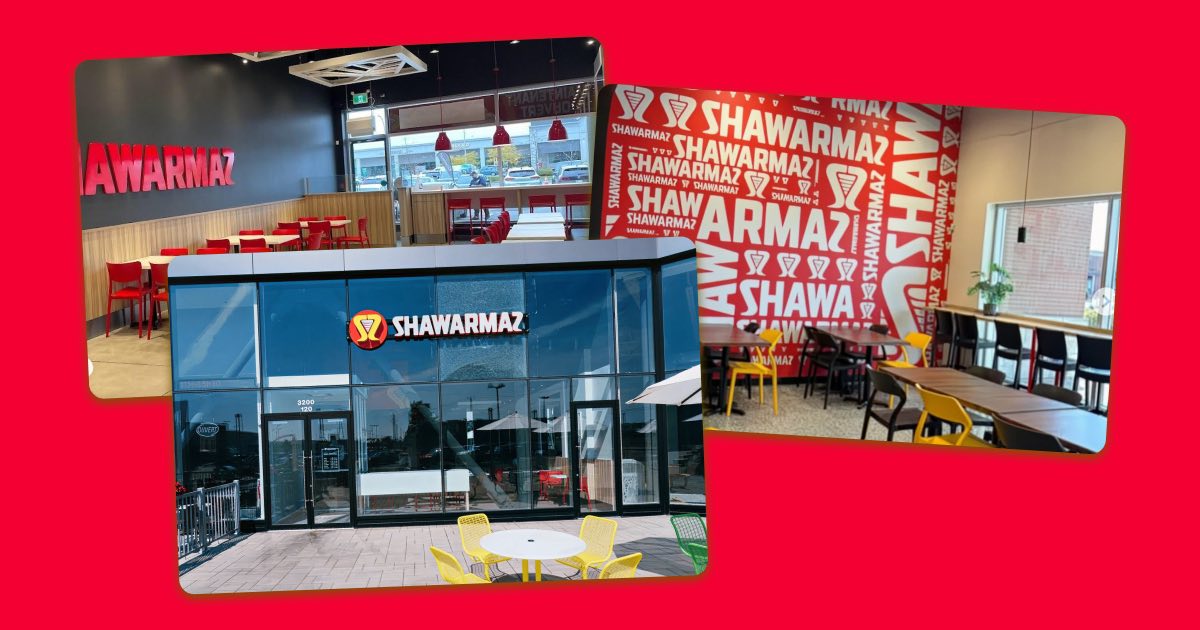
The Shawarmaz franchise model aligns extremely well with the direction of today’s restaurant industry.
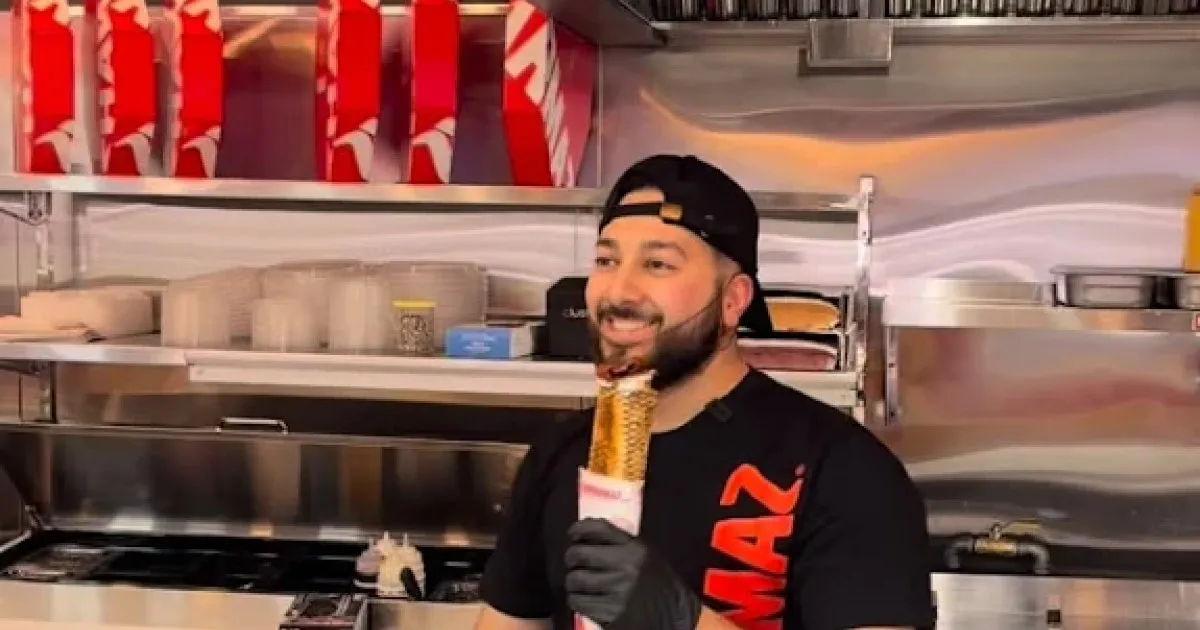
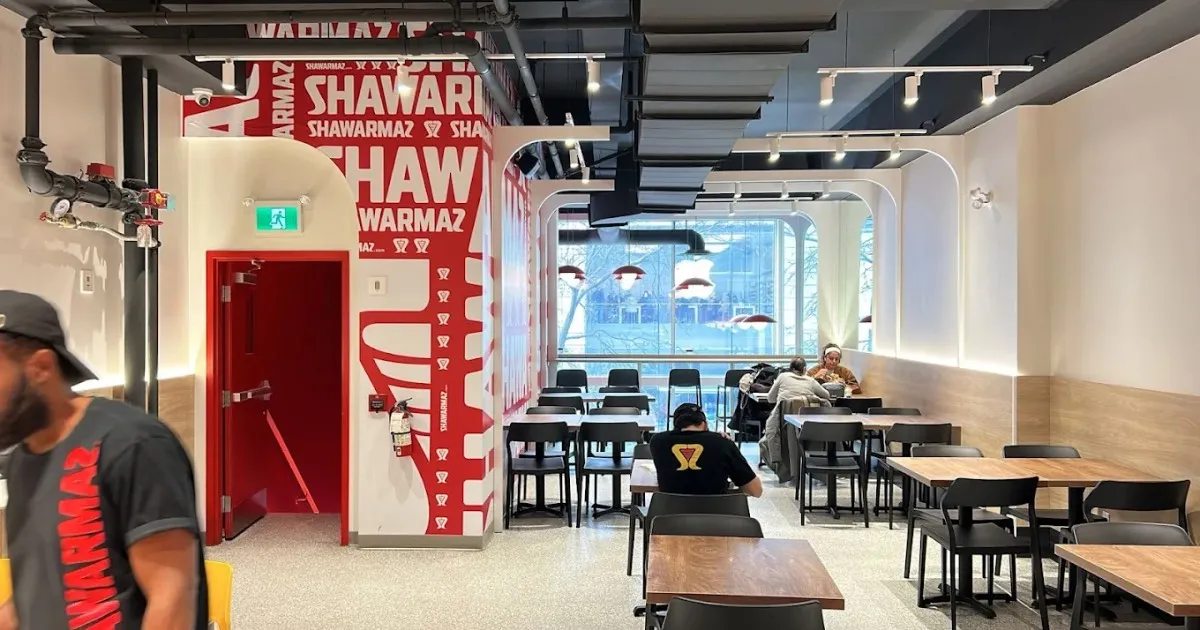
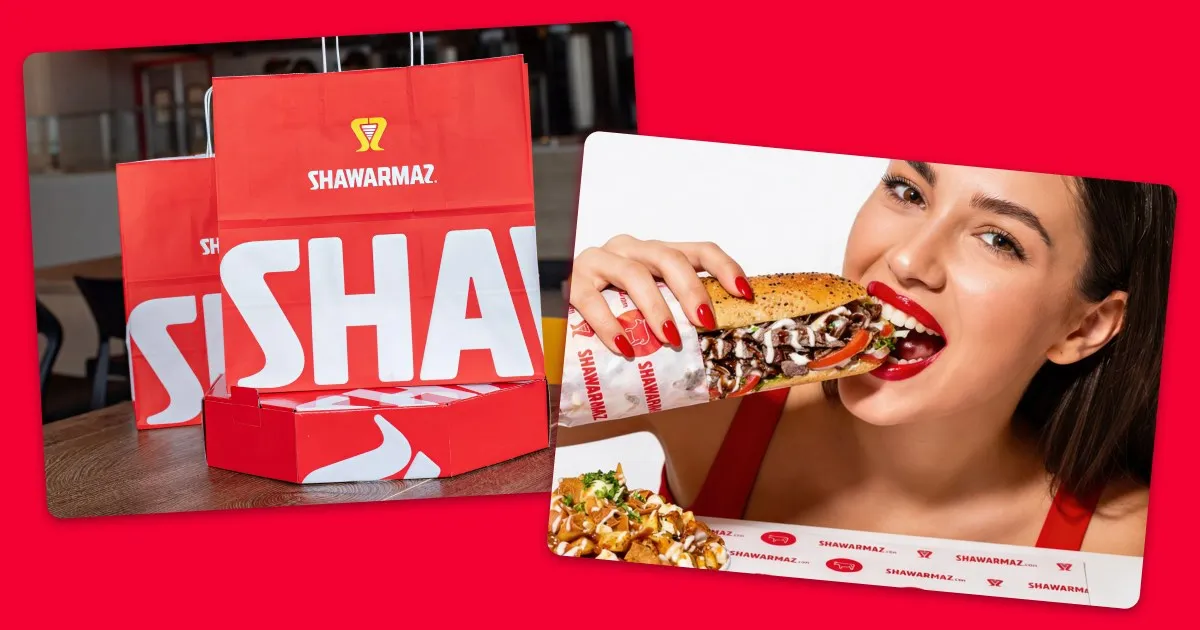
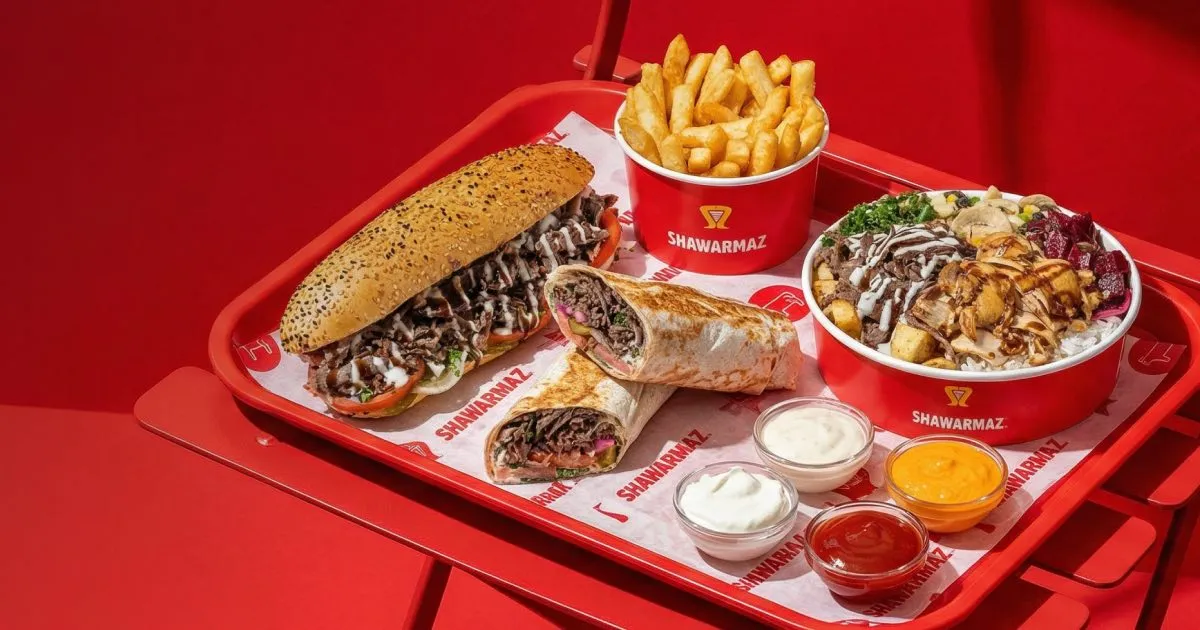
The brand already operates naturally across multiple revenue streams, including dine-in service, delivery, takeout, online ordering, catering, and group platters. The menu structure supports all of these channels without forcing operational complexity.
That balance is important.
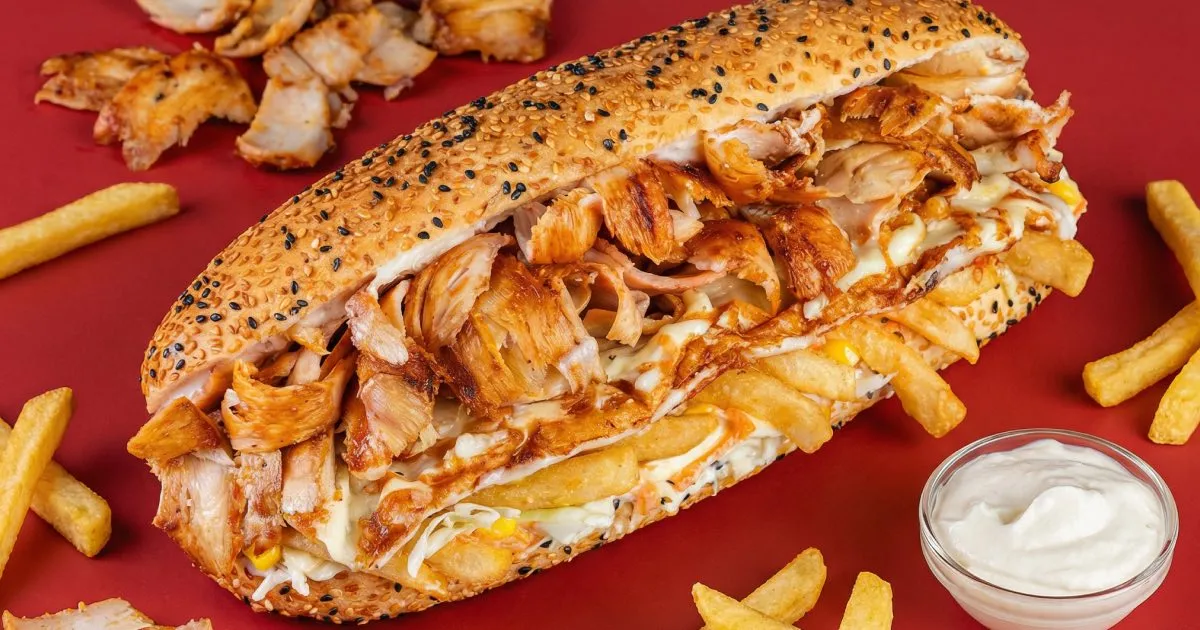
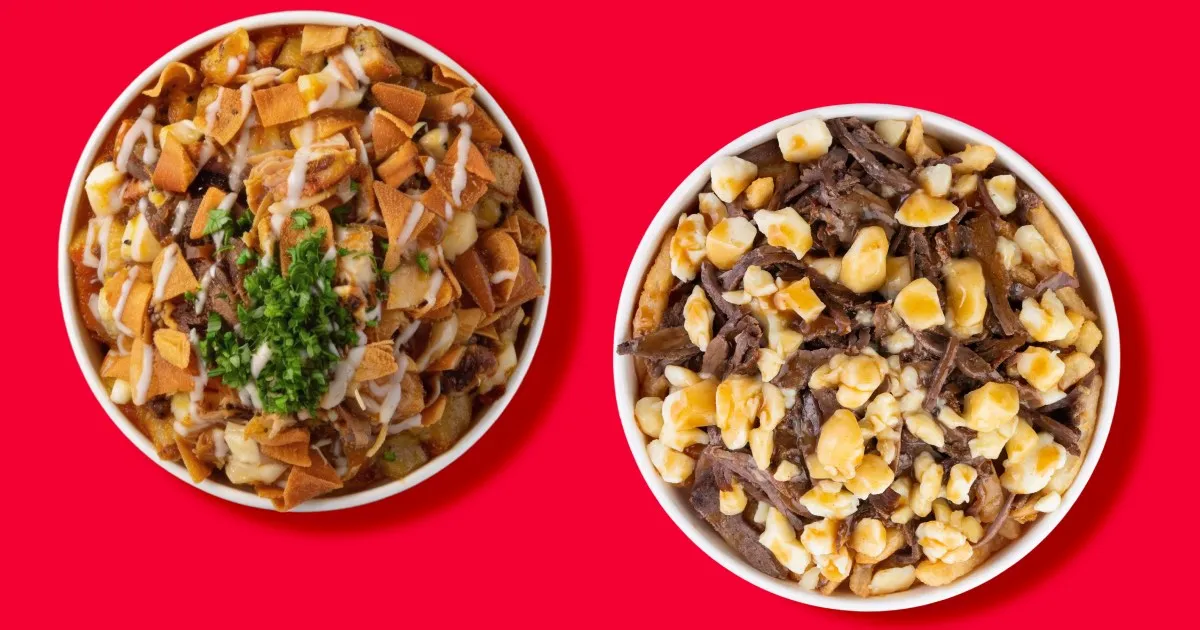
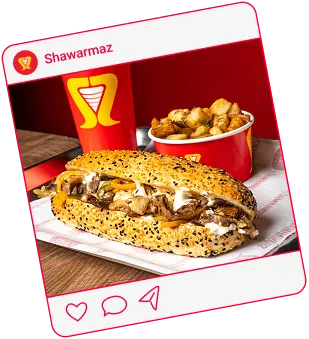
The same products that work for quick lunch traffic also work for office catering and family-style orders. Shawarma bowls, wraps, platters, poutines, and sides all adapt easily to different customer behaviors throughout the day.
At the same time, Middle Eastern food continues growing in popularity across Montreal and other Canadian markets. Customers increasingly look for bold flavors, customizable meals, quick service, and food that feels both satisfying and convenient.
Shawarmaz sits directly within that demand. For entrepreneurs exploring the best restaurant franchise model today, this combination of operational flexibility, modern dining habits, catering adaptability, and strong market demand creates a much stronger long-term opportunity than traditional single-channel restaurant concepts.
Conclusion
The restaurant industry no longer revolves around one way of serving customers. Modern restaurant strategy is built around flexibility, convenience, and diversified restaurant revenue streams that allow businesses to grow from multiple directions at once.
For entrepreneurs looking to invest in a scalable concept that fits modern dining behavior, the Shawarmaz franchise offers a business model already aligned with where the restaurant industry is heading. From catering business growth to fast casual demand and operational flexibility, Shawarmaz continues building a system designed for long-term performance in today’s market.
FAQs
1. What are multiple-revenue restaurants?
Multiple-revenue restaurants generate income through several channels at the same time, including dine-in, delivery, takeout, catering, online ordering, and group meals.
2. Why are restaurant revenue streams more important today?
Customer behavior has changed significantly, and people now expect flexible ordering options. Restaurants with multiple revenue streams are better positioned to adapt to changing demand and maintain stable growth.
3. How does catering contribute to restaurant growth?
Catering business growth helps restaurants increase order value while maximizing existing kitchen operations. It allows restaurants to serve larger groups without depending entirely on dine-in traffic.
4. Why do fast casual restaurants perform well with multi-revenue models?
Fast casual restaurants are built around speed, scalability, and convenience. Their menus often adapt naturally to delivery, pickup, catering, and dine-in service without requiring major operational changes.
5. Why is the Shawarmaz franchise aligned with modern restaurant strategy?
The Shawarmaz franchise already operates through multiple revenue channels, including dine-in, takeout, delivery, catering, and group orders, creating a flexible business model designed for long-term growth.