How to Build the Perfect Shawarma Wrap at Home
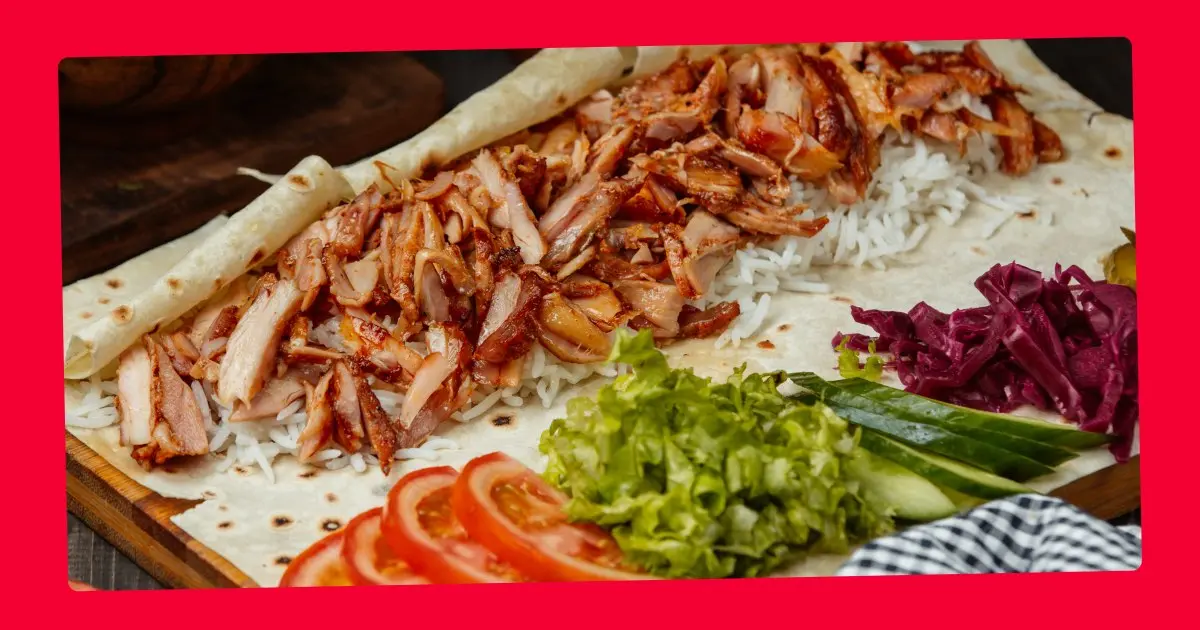
There is a reason people keep chasing that perfect shawarma wrap. A good shawarma is not just about seasoned chicken wrapped in bread. It is the combination of warm spices, creamy garlic sauce, crispy edges, pickles, soft bread, and the balance of textures that makes it so satisfying.
That is also why homemade shawarma often disappoints people the first time they try making it. The chicken may taste good on its own, but the wrap still feels flat, dry, or incomplete compared to a shawarma restaurant.
A proper homemade shawarma wrap needs depth in the marinade, enough heat to caramelize the meat properly, acidity from pickles, freshness from vegetables, and sauces that tie everything together. Once those elements work together, the wrap starts tasting much closer to the authentic Middle-Eastern flavors people expect from great shawarma.
The good news is that you do not need a vertical rotisserie at home to make it happen.
Start with the Right Chicken Cut
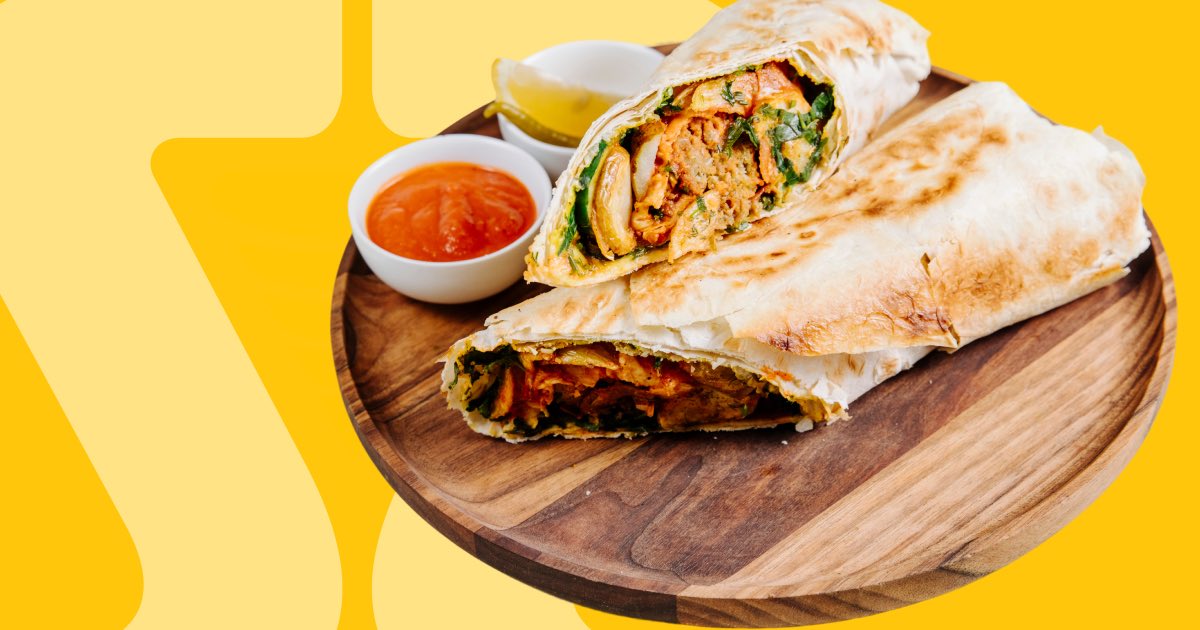
One of the biggest mistakes people make when preparing a shawarma recipe at home is using chicken breast. Chicken breast cooks quickly, but it also dries out quickly, especially when exposed to high heat. Shawarma needs juicy meat with crispy edges, which is why chicken thighs work much better for DIY chicken shawarma.
Chicken thighs absorb marinades more effectively because of their fat content, and they caramelize beautifully once cooked properly. They also stay tender even when cooked at higher temperatures, which is essential for recreating restaurant-style shawarma texture.
Before marinating, trim any excess fat but avoid over-cleaning the meat completely. A little fat helps develop flavor and creates those slightly crisp edges that make shawarma so addictive.
The Marinade Creates the Real Shawarma Flavor
The marinade is where shawarma starts becoming shawarma.
Without a strong marinade, the wrap simply tastes like seasoned chicken. Authentic Middle-Eastern flavors come from letting spices fully develop before the meat even touches the heat.
For a homemade shawarma wrap, combine olive oil, lemon juice, garlic, salt, paprika, cumin, coriander, turmeric, cinnamon, cardamom, and a small amount of allspice. Some people also add yogurt because it helps tenderize the chicken while creating a richer texture.
Once mixed, coat the chicken thoroughly and let it marinate for at least a few hours. Overnight is even better. This step matters more than people realize. Shawarma flavor should not only sit on the surface of the meat. The seasoning should fully penetrate the chicken so every bite tastes layered and warm.
One of the best Mediterranean cooking tips for shawarma is not rushing the marinade. The longer the spices settle into the meat, the closer the flavor gets to authentic shawarma.
Cook the Chicken at High Heat
The biggest thing missing from many homemade shawarma wraps is caramelization.
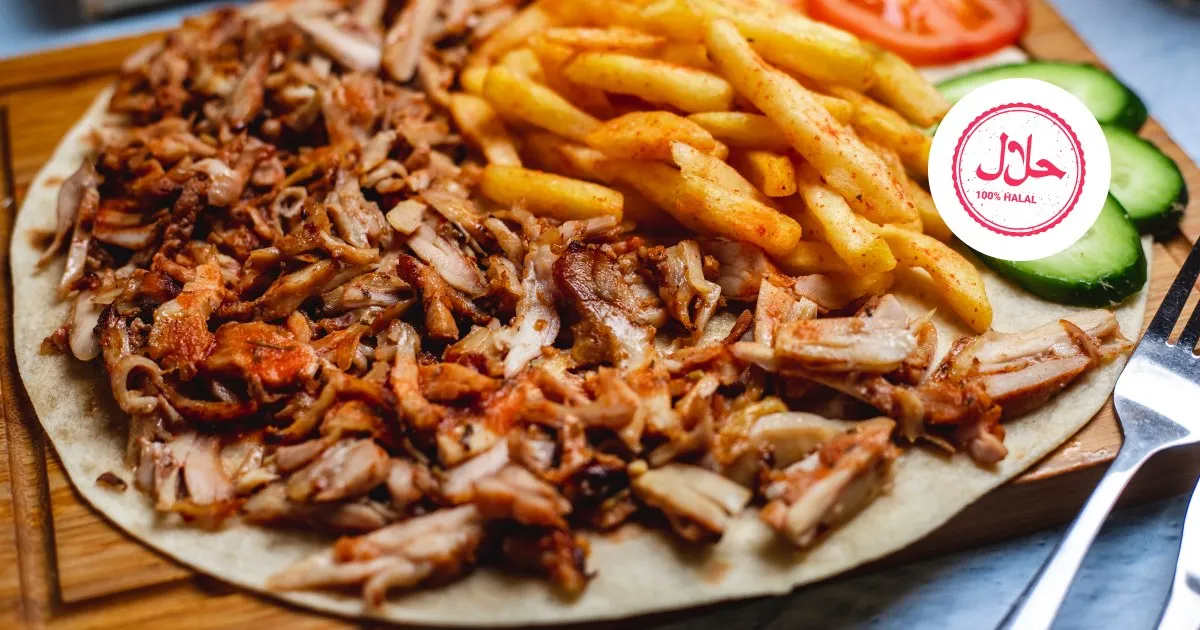
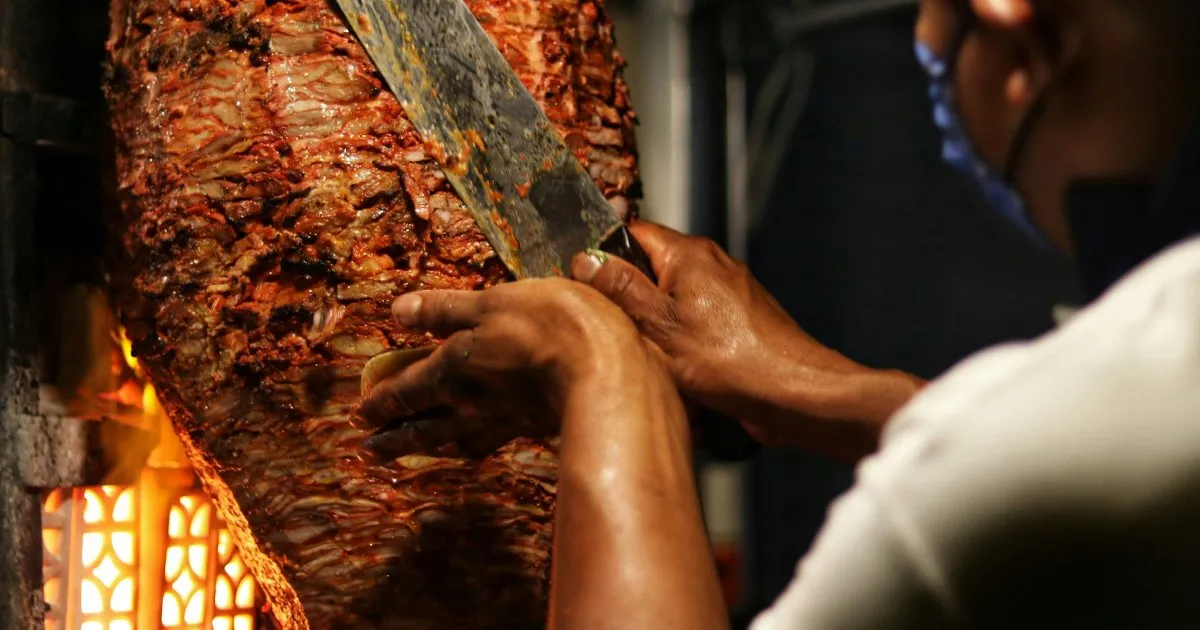
Shawarma restaurants get the flavor from direct heat hitting the outer layer of the rotating meat. That creates crispy edges, charred bits, and deep flavor. At home, the goal is to recreate as much of that texture as possible.
A cast-iron pan works extremely well because it retains heat properly. The chicken should sizzle immediately once it hits the pan. Avoid overcrowding because the meat will steam instead of caramelize. The chicken should develop darker edges while staying juicy inside. That contrast is part of what makes shawarma feel satisfying.
You can also finish the chicken under the broiler or in the air fryer for a few minutes to create additional crispness. Slight charring is not a mistake here. It is part of the flavor.
Garlic Sauce Is Not Optional
A chicken shawarma wrap without garlic sauce immediately feels incomplete.
Garlic sauce adds creaminess, sharpness, and richness that balance the spices in the meat. It also helps tie the entire wrap together.
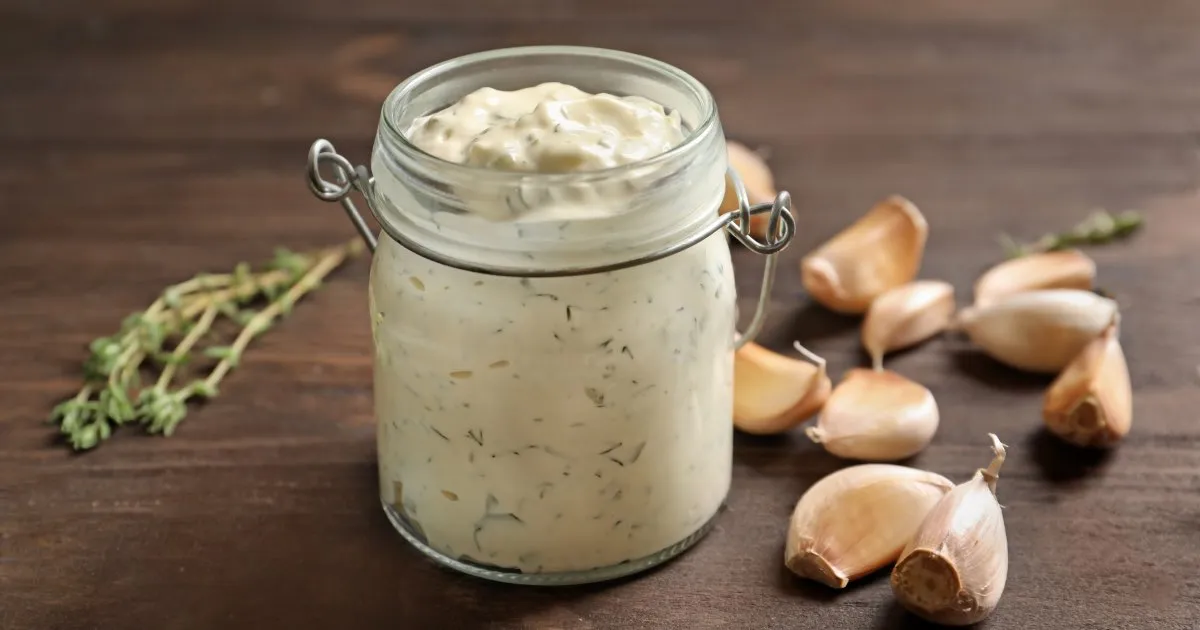
A simple homemade garlic sauce can be made using garlic, oil, lemon juice, and salt blended together until smooth and creamy. The texture should feel light and fluffy rather than heavy.
Some people prefer yogurt-based garlic sauce for a softer flavor, while others use tahini for a nuttier finish. Both work well, but classic toum-style garlic sauce gives the most authentic shawarma experience. One important tip is not to overload the wrap with sauce. Too much sauce overwhelms the texture and turns the bread soggy quickly.
Pickles Are More Important Than People Think
One thing many homemade shawarma recipes miss is acidity.
Without pickles or something acidic, the wrap can feel too heavy. The spices, garlic sauce, and warm bread need contrast to balance everything properly.
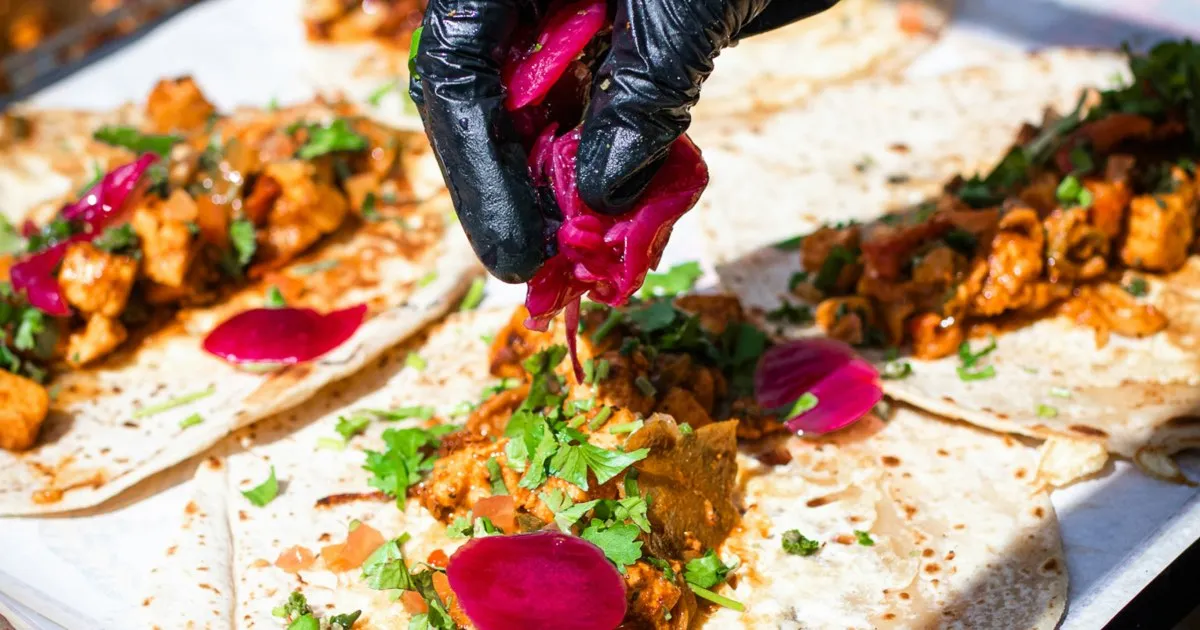
Pickled turnips are one of the most traditional shawarma additions because they bring crunch and sharpness at the same time. Pickled cucumbers, onions, and even pickled peppers work well, too. Fresh vegetables also matter. Tomatoes, parsley, and onions help lighten the wrap and add texture variation.
Bread Changes the Entire Experience
Bread is not just a container in shawarma. It completely changes the texture and feel of the meal.
Saj bread creates a thinner, crispier wrap that feels very close to traditional street shawarma. Pita bread creates a softer and slightly thicker bite. Lavash also works well because it wraps tightly around the ingredients without becoming too heavy.
Whatever bread you choose, warming it first makes a major difference.
Cold bread breaks more easily and absorbs sauce poorly. Warm bread becomes flexible, softer, and easier to wrap tightly around the fillings. This is one of the simplest Mediterranean cooking tips that immediately improves homemade shawarma.
How to Assemble the Wrap Properly
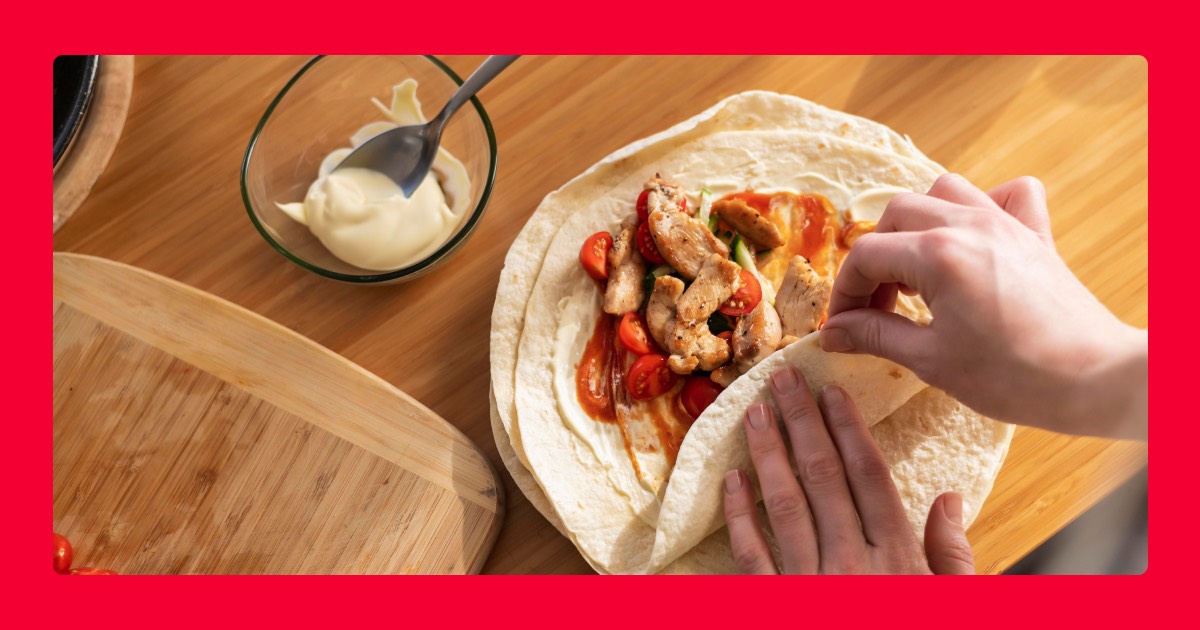
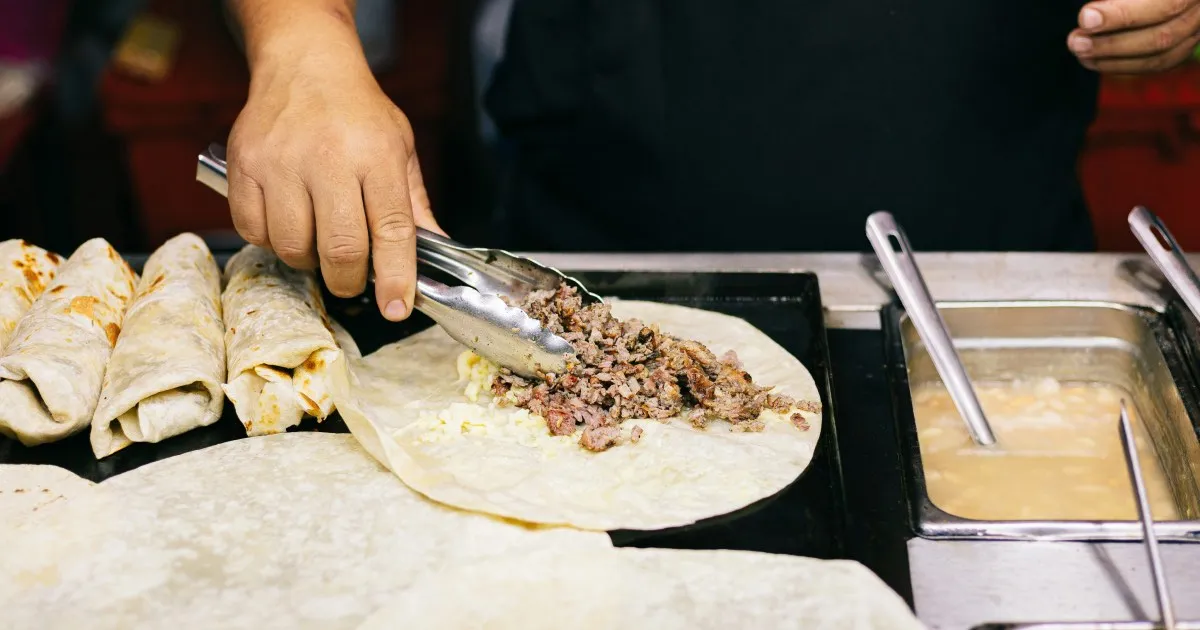
Start by spreading garlic sauce directly onto the warm bread. This prevents dryness and creates an even layer of flavor from the first bite.
Next, add vegetables and pickles before placing the hot chicken on top. This helps maintain texture balance and prevents the vegetables from becoming too soft.
Add a small additional layer of sauce if needed, then wrap everything tightly.
The biggest mistake people make here is overfilling the wrap. A proper shawarma wrap should stay compact enough to hold comfortably while still giving balanced flavor in every bite.
The Final Step Most People Skip
One of the easiest ways to make homemade shawarma feel more restaurant-style is pressing the wrap lightly after assembly.
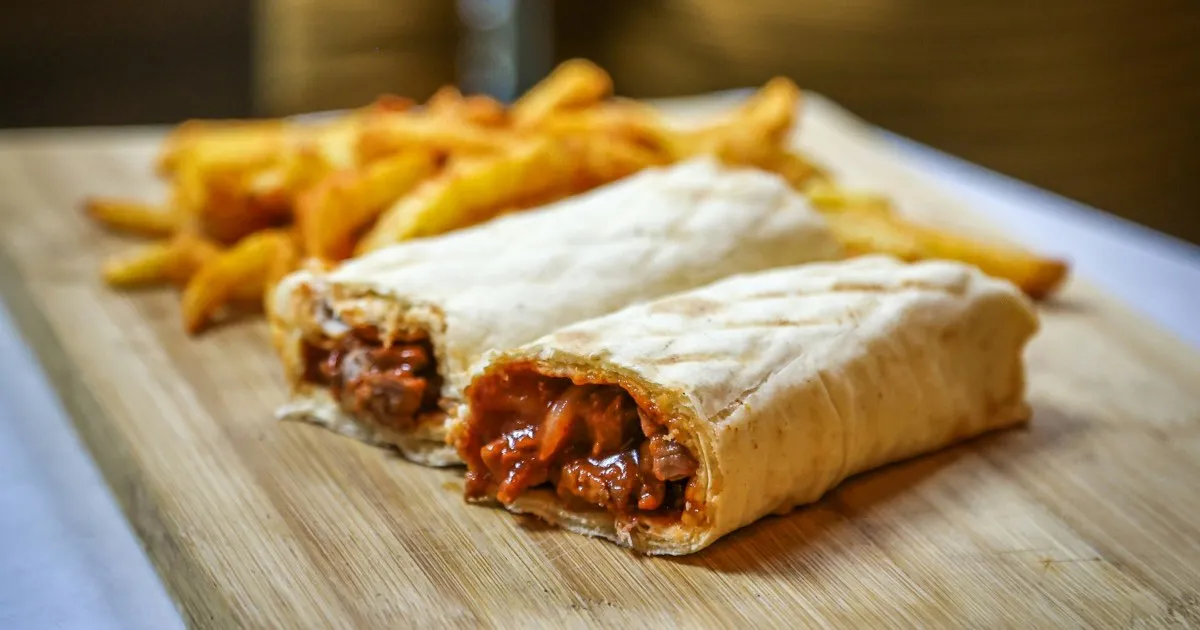
Once wrapped, place it back onto a hot pan or grill for a minute or two on each side. This creates light crispness on the bread, helps seal the wrap, and keeps everything warm inside.
That final pressing step changes the entire eating experience.
The outside becomes slightly crisp while the inside stays juicy and flavorful. It also helps the sauces, chicken, and bread settle together naturally instead of feeling disconnected.
Conclusion
A great homemade shawarma wrap is never about one ingredient alone. It is the combination of seasoning, texture, acidity, sauce, and warmth all working together at the same time.
Once you understand how balance shapes the wrap, homemade shawarma starts tasting far closer to the authentic Middle-Eastern flavors people love from restaurants.
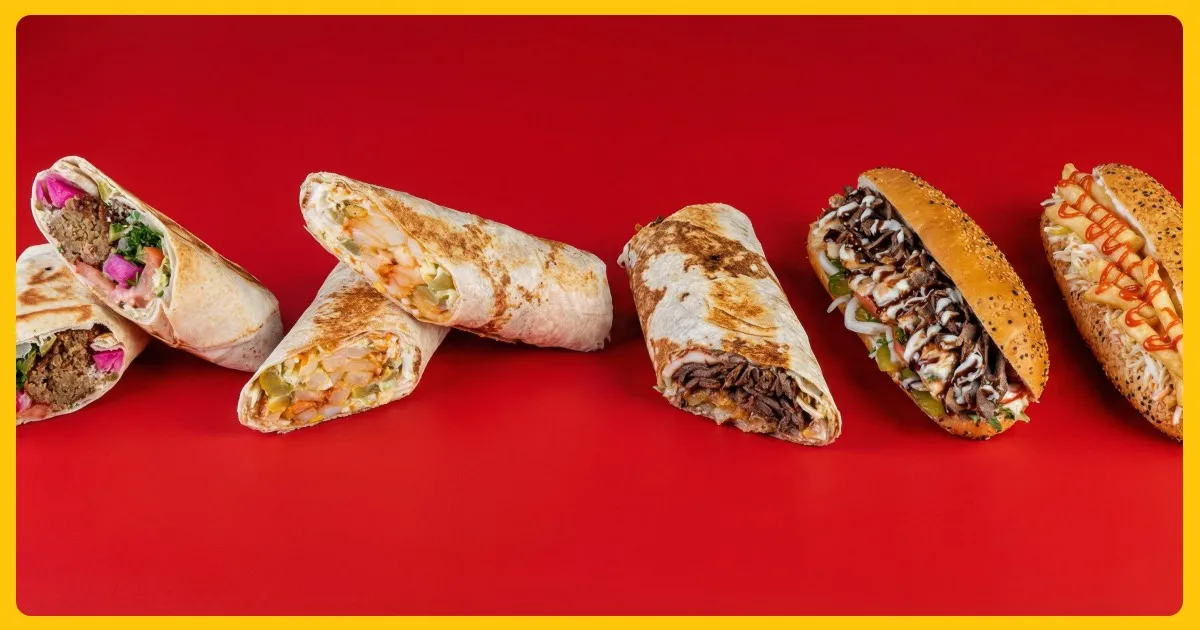
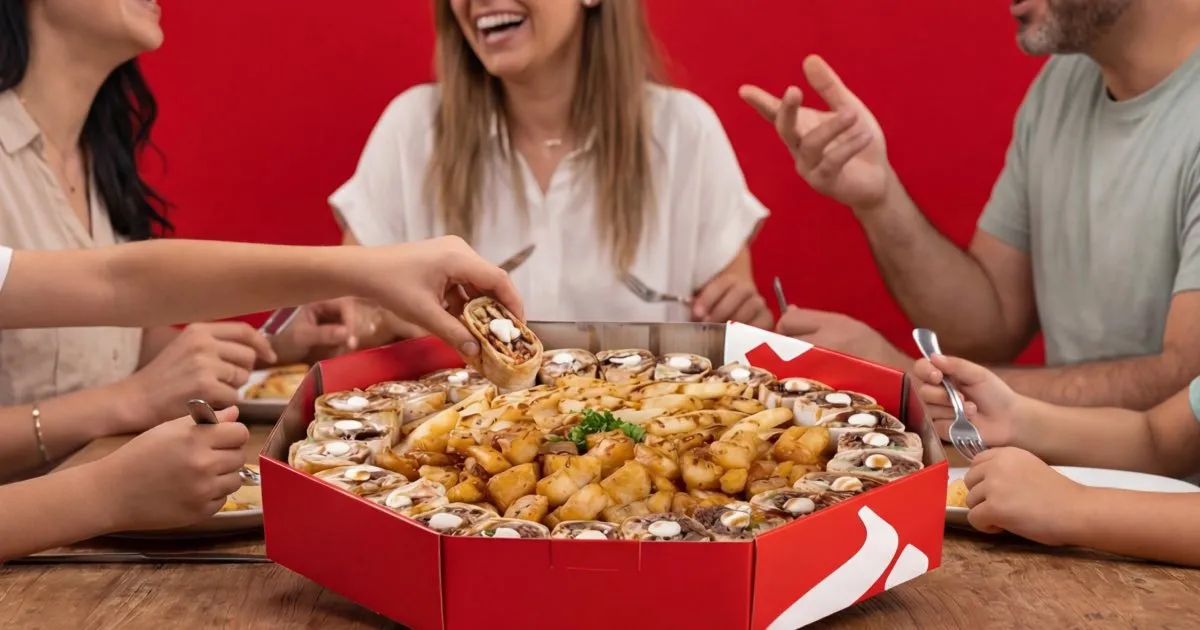
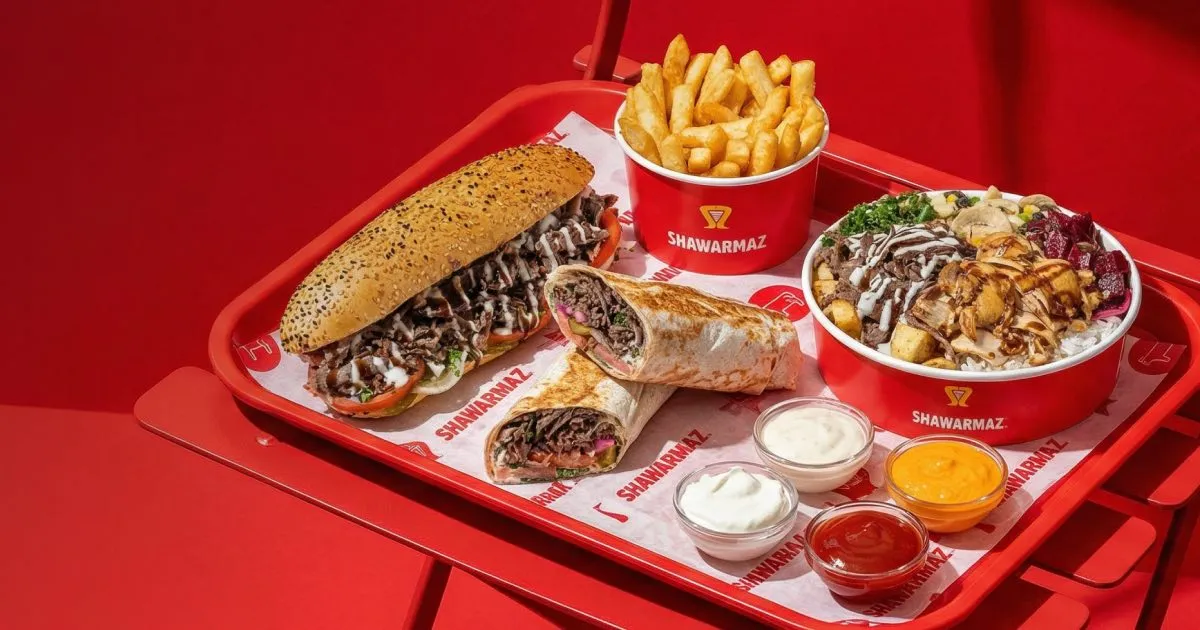
And if you want inspiration from the best shawarma restaurant in Montreal, visit Shawarmaz to experience how authentic shawarma flavors, sauces, and textures come together in a professionally crafted wrap.
FAQs
1. What is the best chicken cut for a homemade shawarma wrap?
Chicken thighs are usually the best option for a homemade shawarma wrap because they stay juicier, absorb marinades better, and develop crisp edges when cooked at high heat.
2. How long should chicken marinate for DIY chicken shawarma?
For the best flavor, chicken should marinate for at least a few hours. Overnight marination gives the spices and garlic more time to fully develop authentic Middle-Eastern flavors.
3. What bread works best for a shawarma recipe at home?
Saj bread, pita, and lavash are all popular choices. Saj creates a thinner and crispier wrap, while pita gives a softer and more filling texture.
4. Why are pickles important in a shawarma wrap?
Pickles add acidity and crunch, which helps balance the richness of the meat and garlic sauce while creating a more layered flavor experience.
5. How can I make homemade shawarma taste more like restaurant shawarma?
Using strong marinades, cooking the chicken at high heat for crispy edges, warming the bread, adding garlic sauce, and lightly pressing the wrap after assembly all help create a more authentic shawarma experience.