Where Shawarma Really Comes From: Origins and Background
Most people think of shawarma as a quick meal. Something you grab, eat, and move on. What often gets missed is that shawarma is not just food. It is the result of a long process that started with a cooking method, moved across regions, and slowly became one of the most recognizable dishes in the world.
If you have ever wondered about the shawarma origin or asked where shawarma comes from, the answer is not limited to one place or one moment. It is a story that begins in the Ottoman Empire and takes shape in the Middle East before reaching the global presence it has today.
The Beginning: Shawarma in the Ottoman Empire

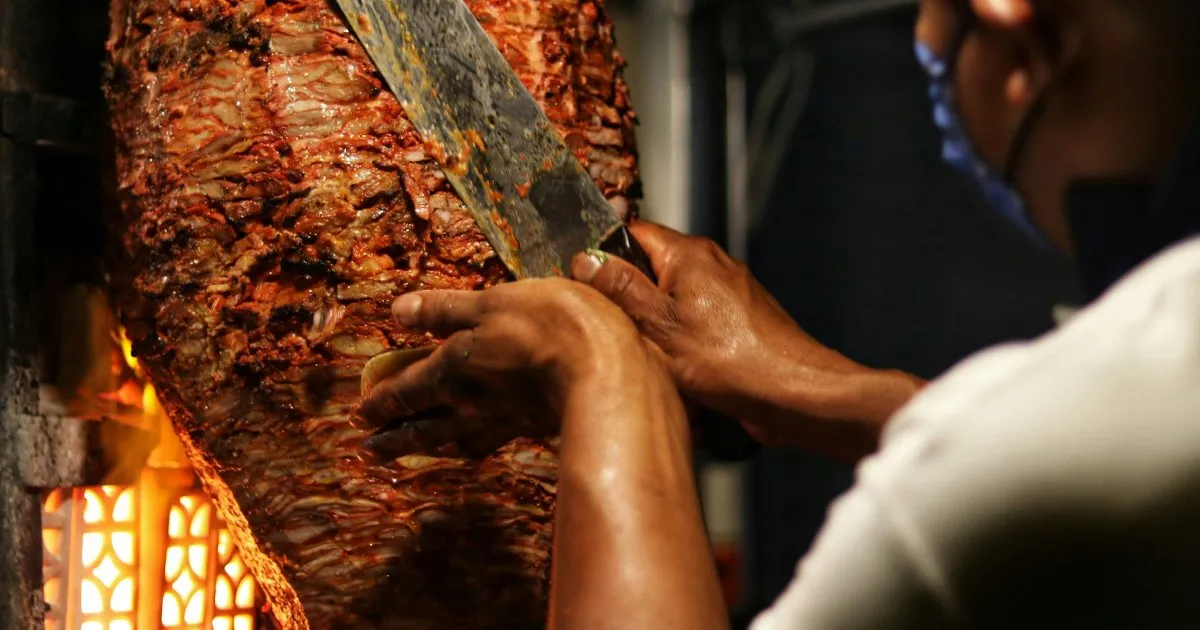
The shawarma history begins in the 19th century within the Ottoman Empire, in what is now modern-day Turkey. At that time, a new way of cooking meat was introduced. Instead of placing meat horizontally over the fire, it was stacked vertically on a rotating spit.
This method allowed the meat to cook slowly as it turned in front of the heat. The outer layer would cook first, and thin slices would be shaved off while the rest continued to cook. This early form was known as döner kebab.
At this stage, the focus was not on wraps or sandwiches. The importance was in the technique itself. The vertical spit created a different texture and depth of flavor that could not be achieved through traditional methods.
The Cooking Method That Defined Shawarma
What makes shawarma unique is not just the ingredients, but how it is prepared. The vertical rotisserie changed how meat was cooked. Instead of cooking all at once, it was cooked gradually, layer by layer.
This method allowed the fat to melt slowly into the meat, keeping it moist while developing a slightly crisp outer texture. Each slice taken from the surface had both tenderness and a light char, which is a key part of the shawarma experience.
Even today, this technique remains at the center of the traditional shawarma origin. Without it, the dish would not have the same identity.
From Turkey to the Middle East
As the Ottoman Empire expanded, this cooking method spread into the Levant region, including Lebanon, Syria, Jordan, and Palestine. This is where shawarma began to evolve into the form we recognize today.
The Middle Eastern adaptation introduced stronger flavors and more defined seasoning. Marinades became essential, using ingredients such as garlic, lemon, and spices to build depth before the meat was even cooked.
This is also where the name “shawarma” took shape. Derived from the Turkish word “çevirme,” meaning turning or rotating, it reflects the same cooking process but through an Arabic lens.
At this stage, shawarma was no longer just a technique. It became a complete dish with its own identity.
The Transformation Into a Full Meal
As shawarma developed in the Middle East, it began to include more than just meat. Different types of protein were introduced, including chicken and beef, alongside the original lamb.
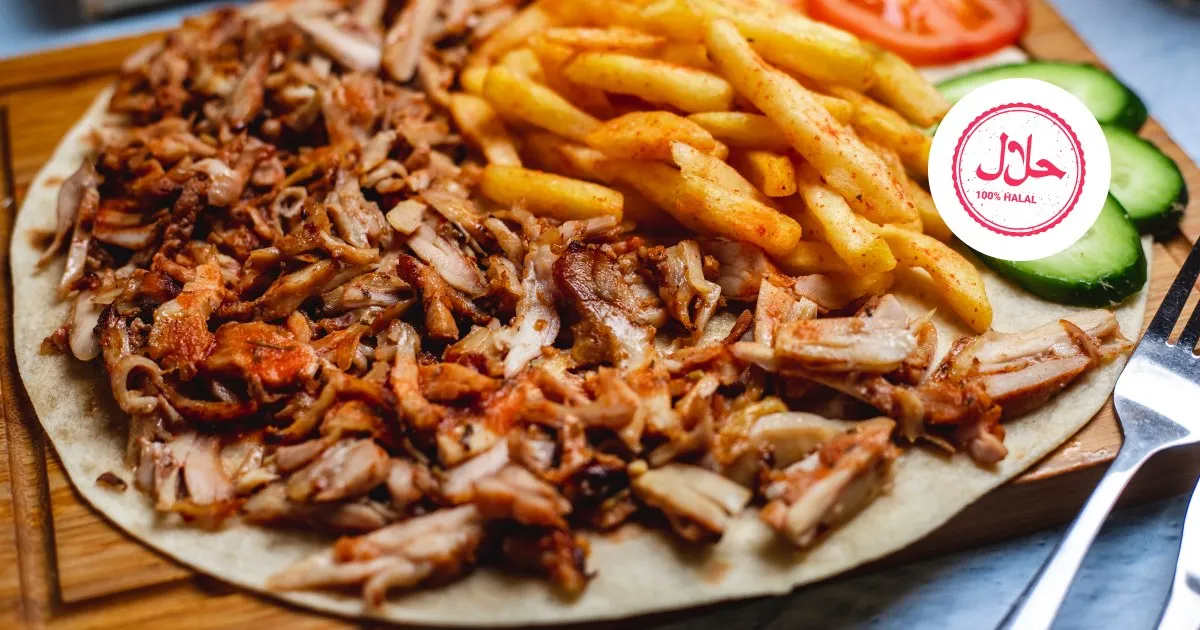
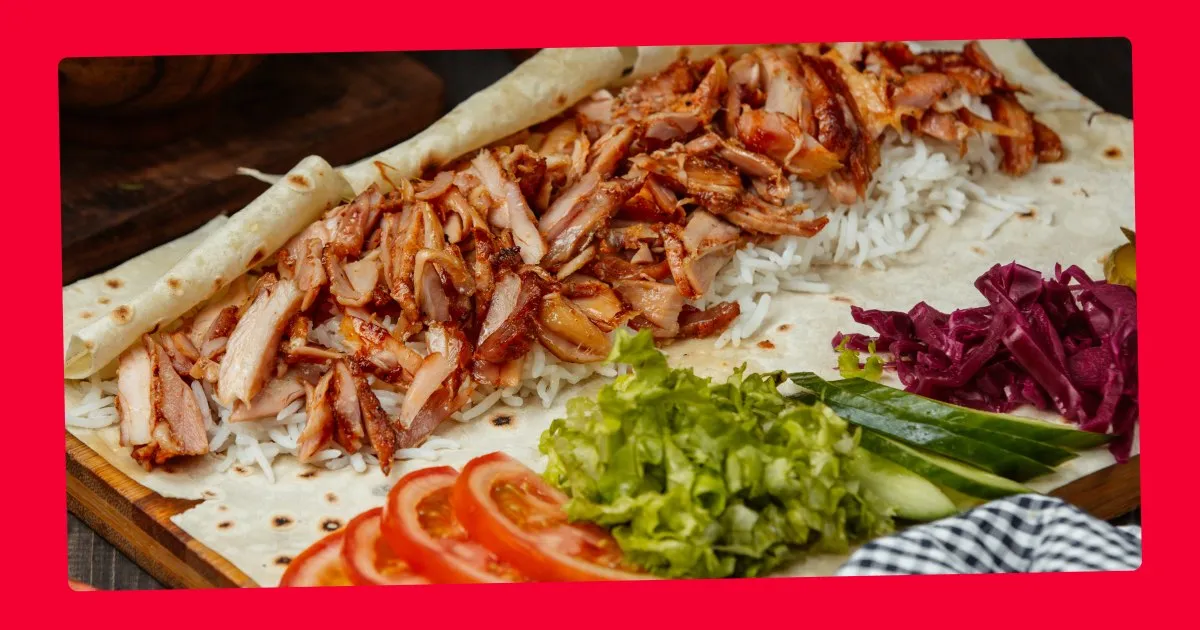
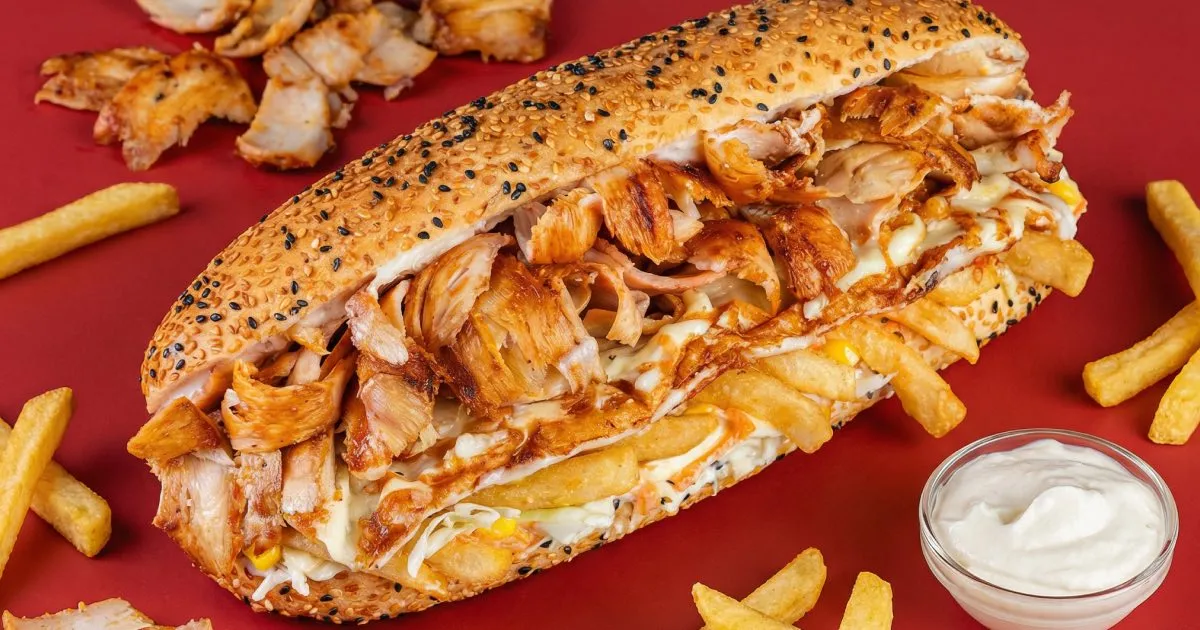
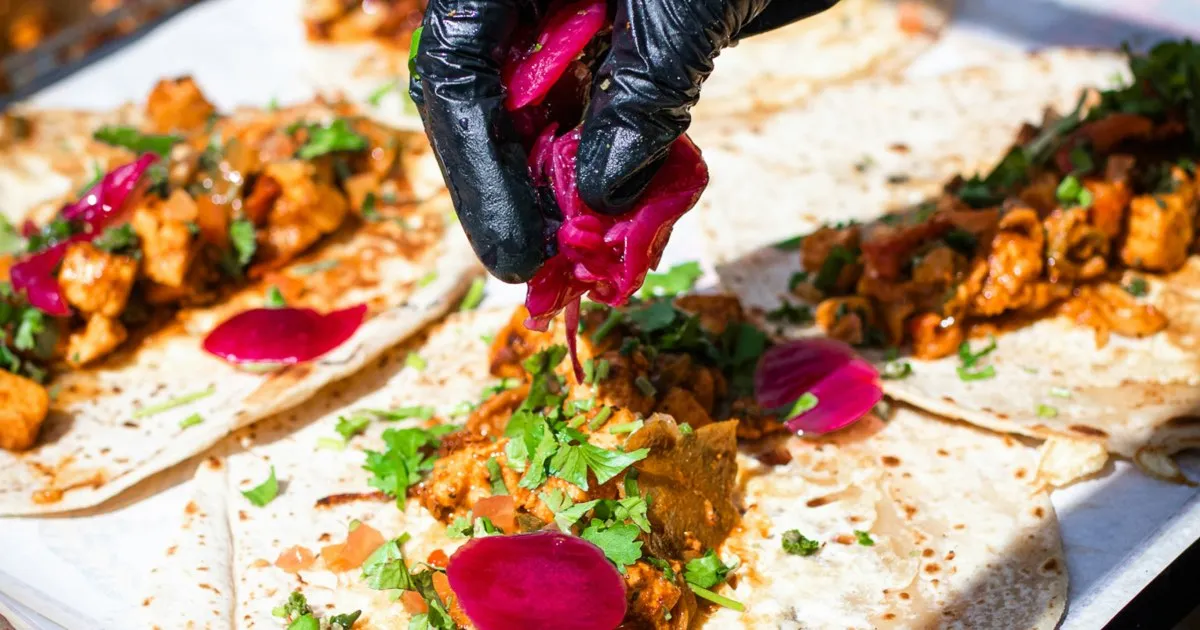
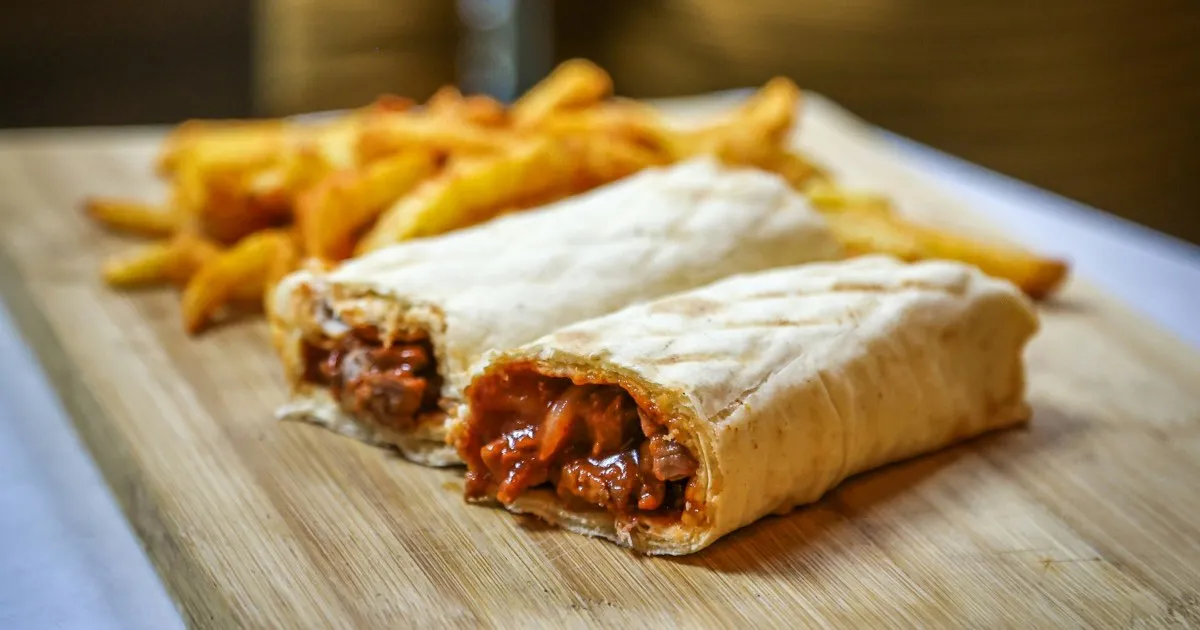
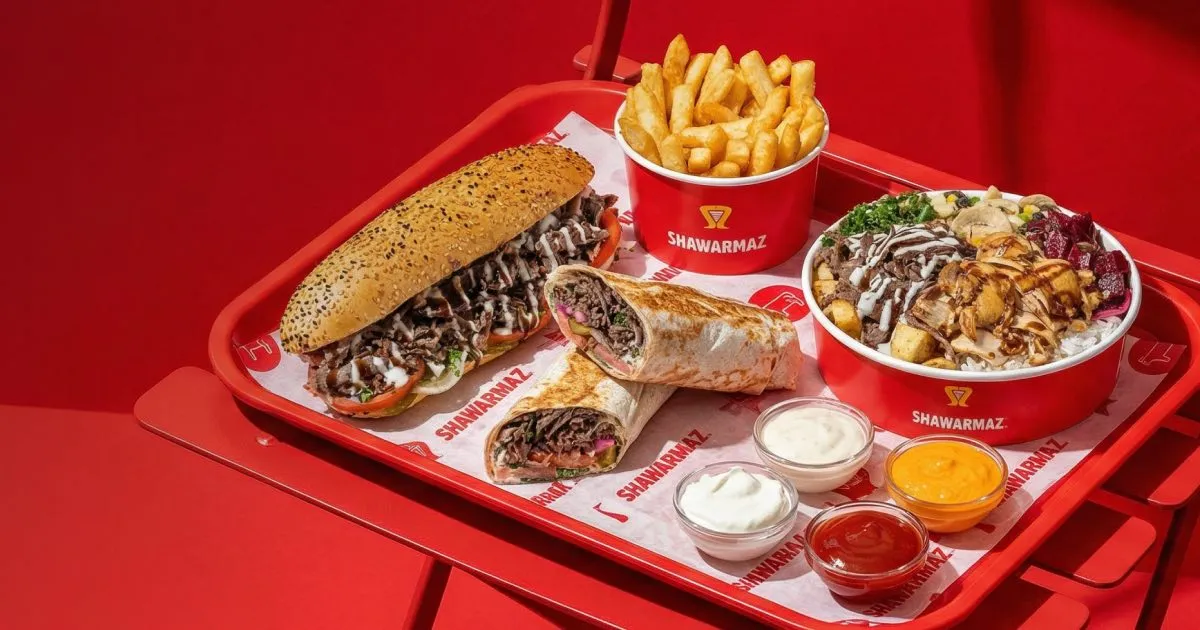
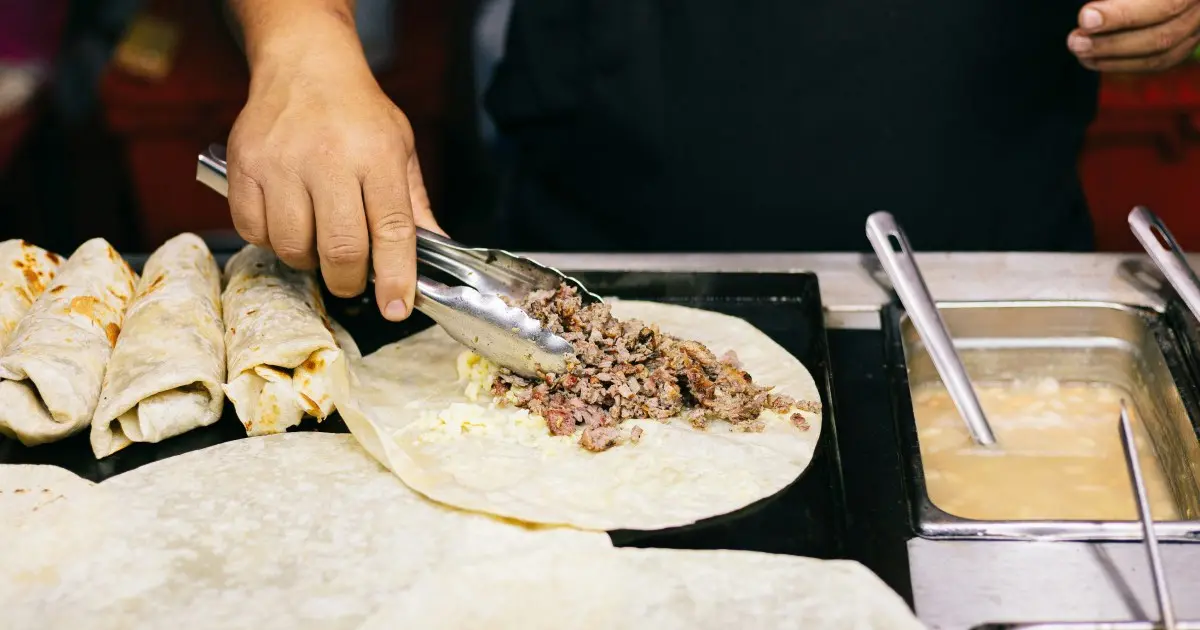
The way it was served also changed. Instead of being plated, shawarma was wrapped in bread such as saj or pita. This made it easier to eat and helped turn it into a practical, everyday meal.
Alongside the meat, other elements became essential:
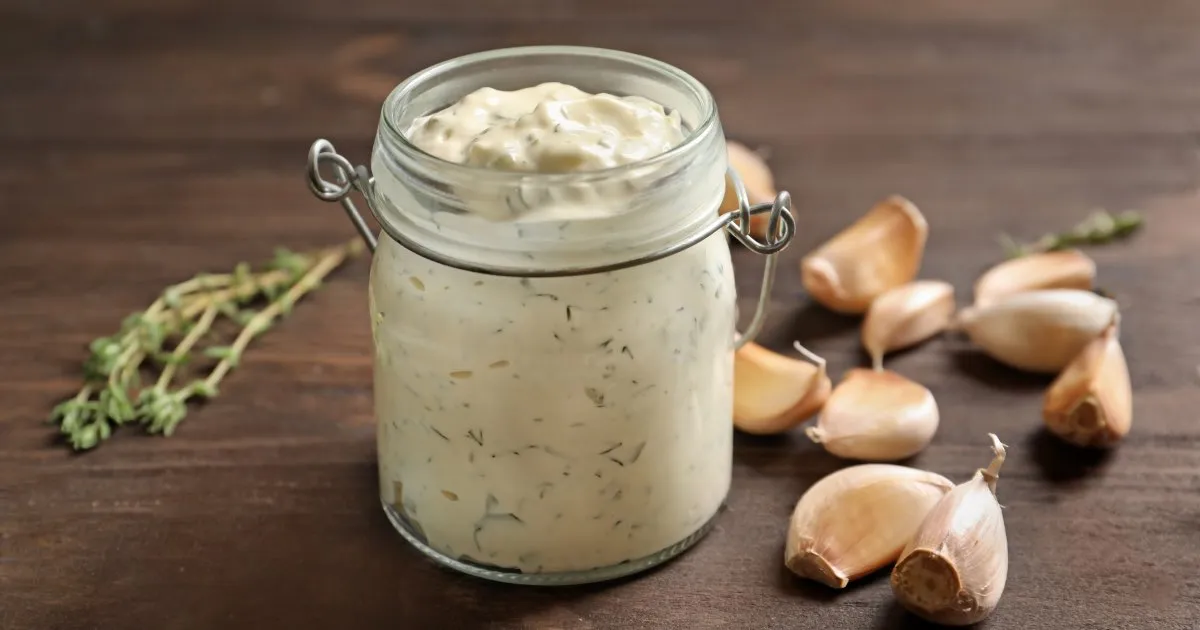
Garlic sauce for chicken
Tahini for beef
Pickles for acidity
Fresh vegetables for texture
These additions were not random. Each one balanced the richness of the meat and created the layered flavor that shawarma is known for.
When Shawarma Became Street Food

Wrapping shawarma in bread was a turning point. It made the dish accessible, portable, and easy to serve. This is when shawarma became popular as street food.
People could now eat it quickly without needing a full table setting. It fit into daily routines, whether as a quick lunch, a late meal, or something shared with others.
This shift played a major role in its spread across cities and regions. It moved from being a traditional dish into something widely consumed and recognized.
Shawarma Around the World
In the 20th century, shawarma spread beyond the Middle East through migration. Communities brought their food traditions with them, introducing shawarma to Europe, North America, and other parts of the world.
As it spread, it adapted slightly to local tastes, but the foundation remained the same. The cooking method, the layering of flavor, and the balance of ingredients continued to define it.
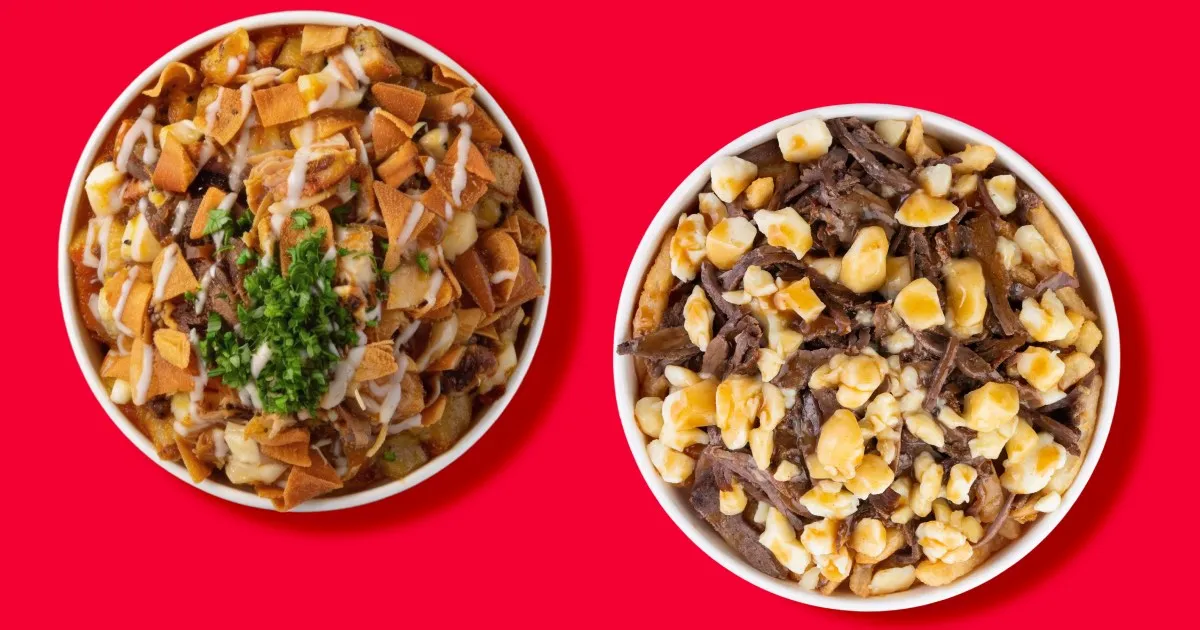
Today, shawarma can be found in many cities, including Montreal, where it has become part of the local food culture. Despite its global reach, its roots remain tied to its Middle Eastern identity.
Shawarma Today
Shawarma today exists in both traditional and modern forms. Some places stay close to their original preparation, while others introduce variations and new formats.
What remains constant is the core structure:
Vertically cooked meat
Seasoned with balanced spices
Served with complementary ingredients
This consistency is what allows shawarma to remain recognizable, even as it evolves.
If you are looking for the best shawarma restaurant in Montreal, what you are really looking for is a place that respects this foundation while delivering it with consistency.
Conclusion
The story of shawarma is not limited to one place or one version. It began as a cooking method in the Ottoman Empire, developed into a full dish in the Middle East, and spread across the world through time.
Understanding the shawarma history gives more meaning to what is on the plate. It shows that what seems simple is actually the result of years of refinement and cultural influence.
Today, shawarma continues to evolve, but its origin remains clear. It is built on technique, shaped by tradition, and carried forward by the people who continue to prepare it the right way.