What Is the Difference Between Shawarma and Doner Kebab?
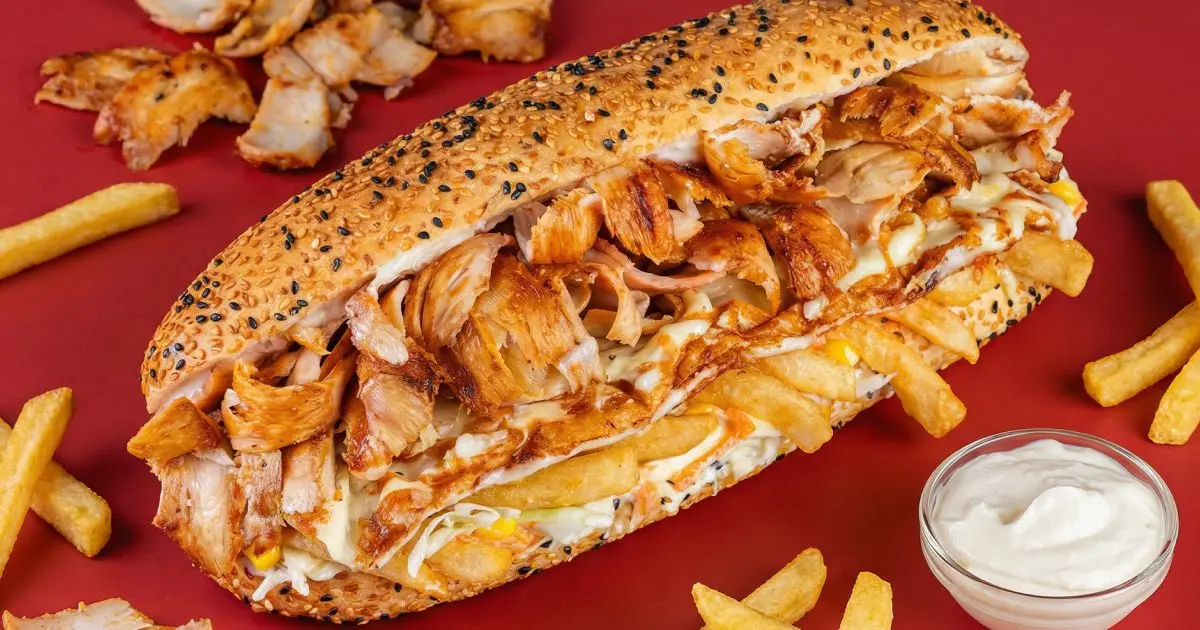
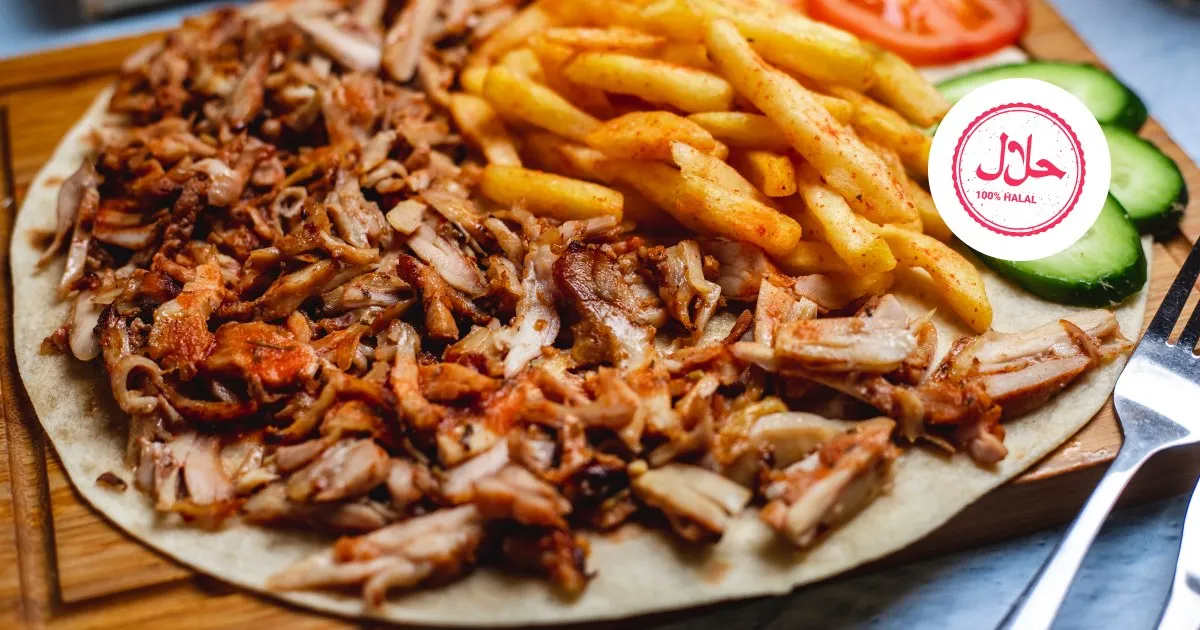
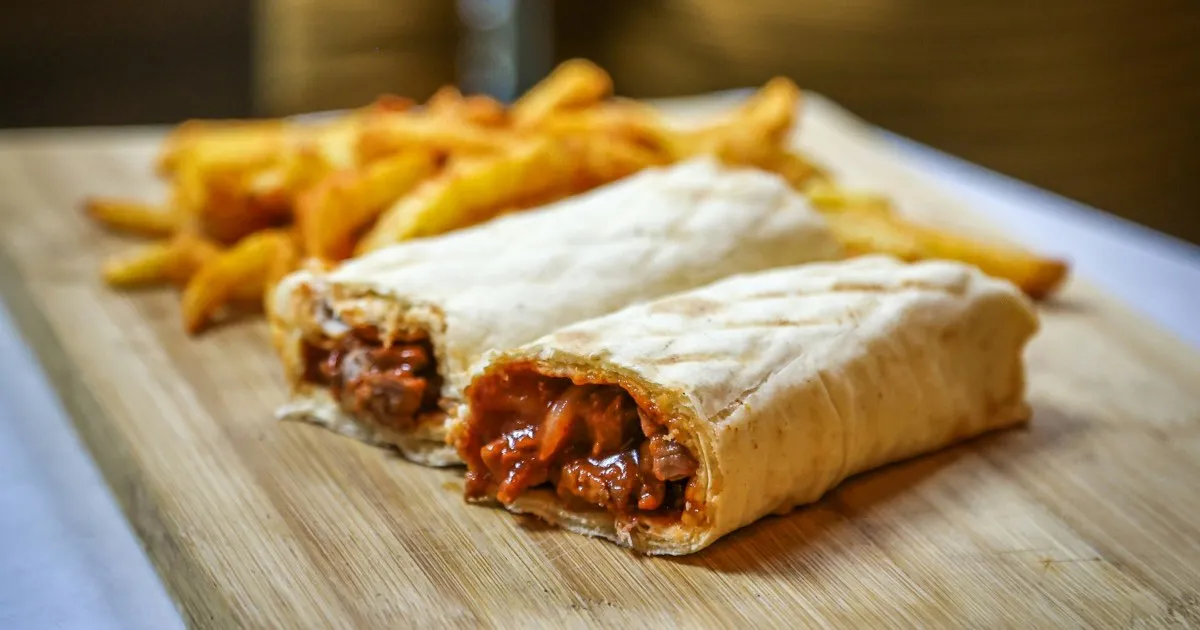
People often use shawarma and doner kebab interchangeably, and at first glance, it makes sense why. Both are cooked on a rotating vertical spit, both are served in wraps or sandwiches, and both are deeply connected to street food culture. To someone seeing them from a distance, they can look almost identical.
But once you actually eat them, the differences become obvious.
The flavor, spices, sauces, toppings, and even the overall experience are not the same. While they share historical roots, Middle Eastern shawarma and Doner kebab evolved in completely different directions over time. One became known for bold marinades, garlic sauce, and layered spices, while the other stayed closer to a simpler, meat-focused approach.
Understanding where each dish comes from makes it much easier to see why they developed such distinct identities today.
Where Doner Kebab Originally Comes From
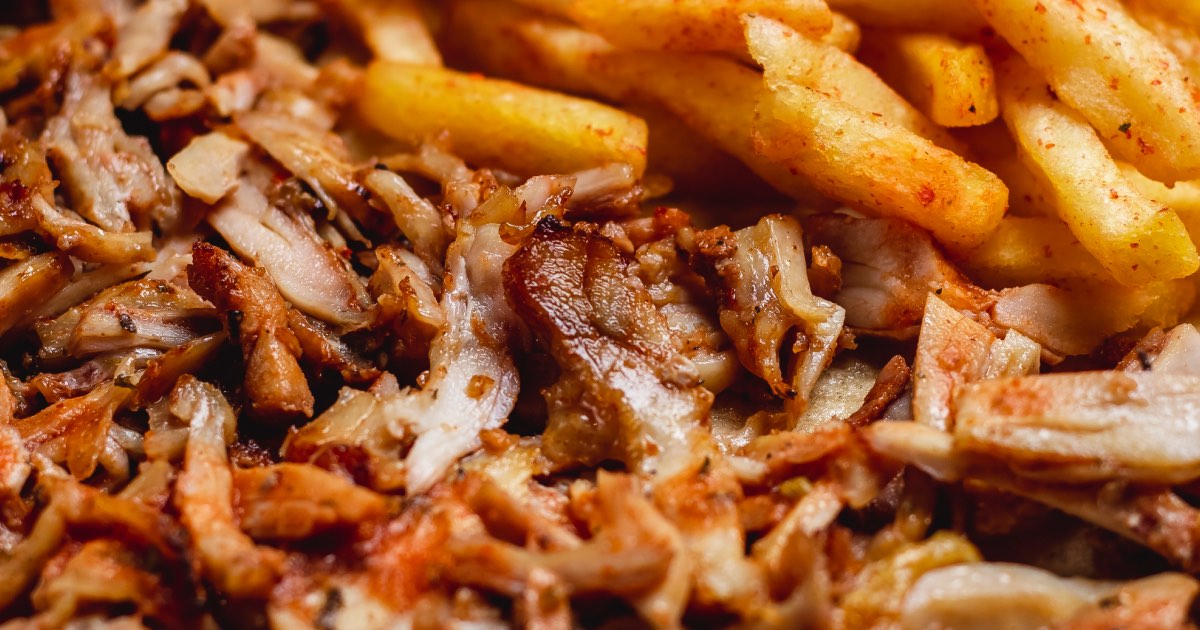
The origin of the Doner kebab traces back to Turkey during the Ottoman Empire. It is widely recognized as the foundation for several spit-roasted dishes that later spread across surrounding regions.
The word “doner” itself comes from a Turkish term meaning “turning” or “rotating,” which refers to the rotating vertical spit used to cook the meat. This cooking style was considered revolutionary at the time because it allowed meat to roast gradually while staying juicy inside and crisp on the outside.
Traditional Doner kebab was usually made using lamb, beef, or a combination of both. The seasoning was generally more restrained compared to modern shawarma. Instead of relying heavily on spices, Turkish doner focuses more on highlighting the natural flavor of the meat itself.
As the Ottoman Empire expanded, so did this style of cooking. Different regions began adapting the concept to match local ingredients, tastes, and food traditions. That is where shawarma enters the story.
How Shawarma Evolved Across the Middle East
Middle Eastern shawarma developed as a regional adaptation of Turkish doner, particularly across countries such as Lebanon, Syria, Palestine, and Jordan. While the cooking technique remained similar, the flavor profile changed dramatically.
Middle Eastern cuisine already relied heavily on aromatic spices, marinades, garlic, and layered seasoning. Over time, shawarma became much richer and more intense in flavor compared to traditional Doner kebab.
Instead of keeping the seasoning minimal, shawarma marinades often include:
Cumin
Paprika
Cardamom
Cinnamon
Turmeric
Allspice
Cloves
Baharat spice blends
This gave shawarma its warm, bold, and unmistakable flavor.
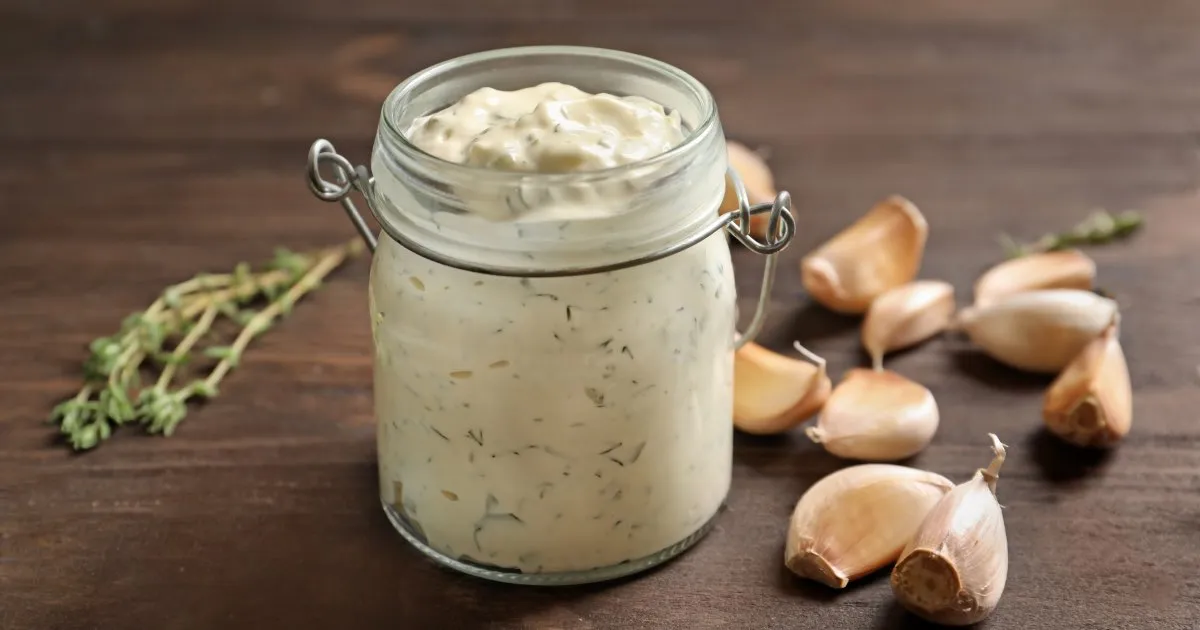
The meat was also marinated for longer periods, allowing the spices to fully penetrate before cooking. Garlic became central to the experience, especially through toum, the famous Middle Eastern garlic sauce that is now almost inseparable from shawarma culture.
As shawarma spread globally, it became one of the most recognizable Middle Eastern street foods in the world.
The Similarities Between Shawarma and Doner
Despite their differences, shawarma and Doner kebab still share the same foundation.
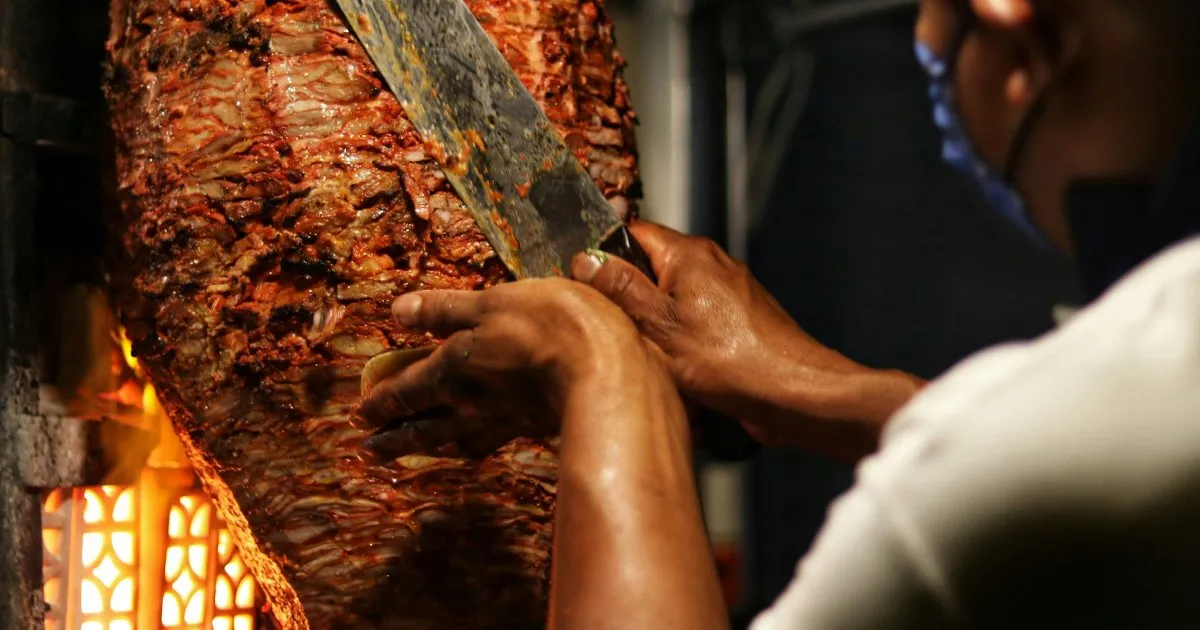
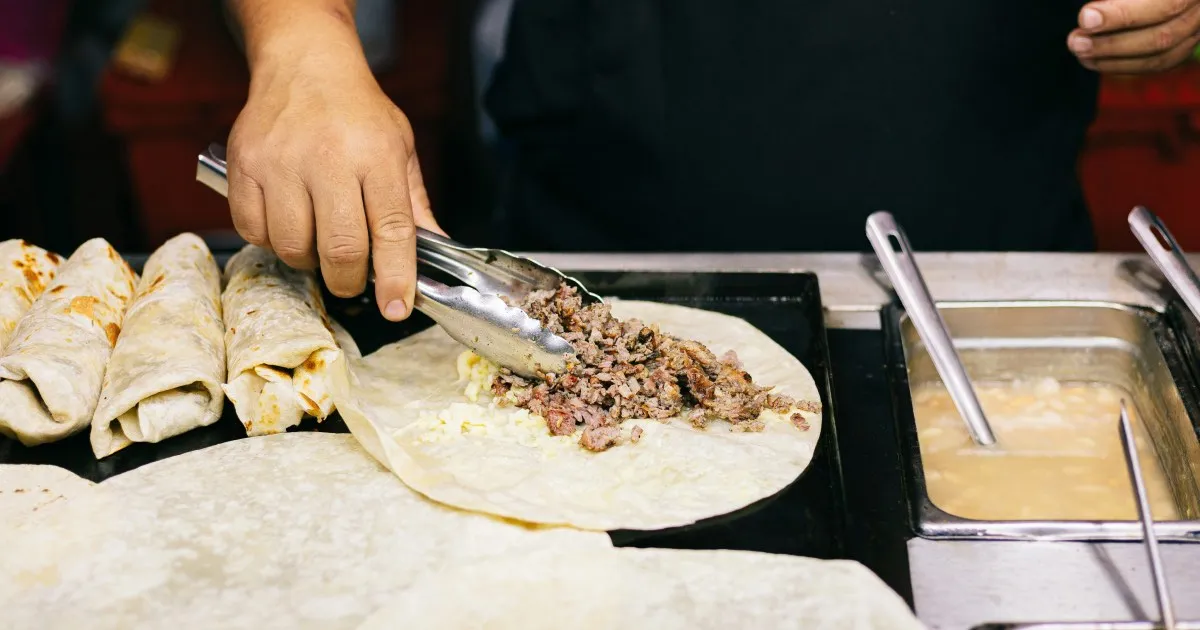
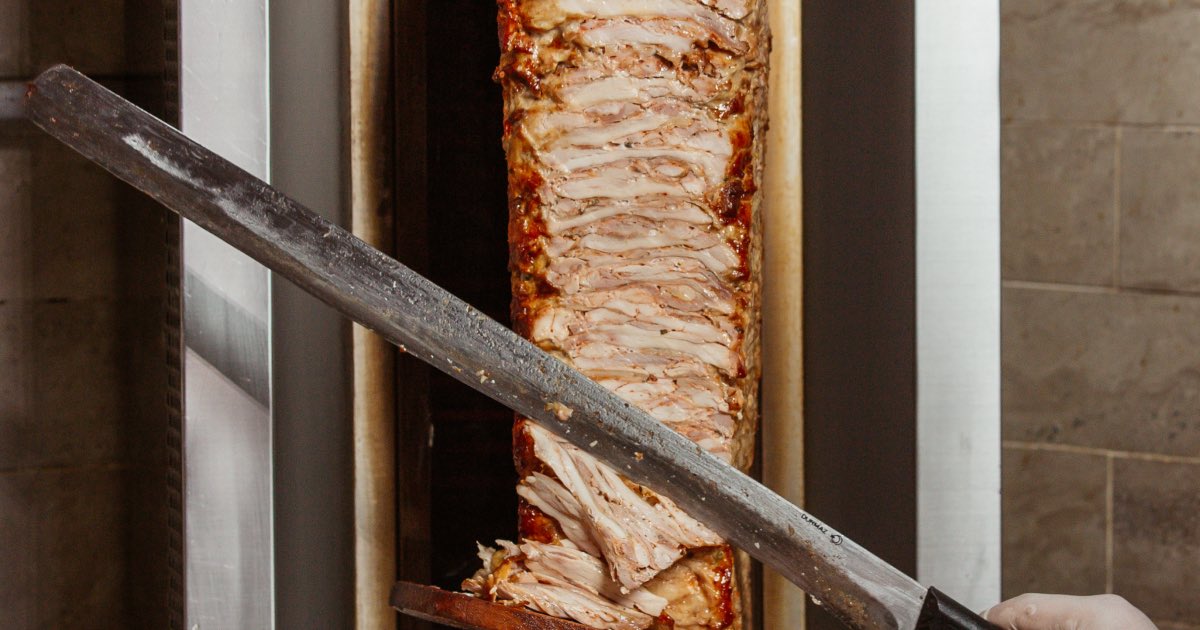
Both use stacked meat cooked on a vertical rotisserie. As the meat rotates slowly beside the heat source, the outer layer becomes caramelized and crisp. Thin slices are shaved off continuously as they cook.
Both are also strongly connected to fast casual dining and street food culture. They are quick to serve, filling, flavorful, and easy to eat on the go. This is why people still confuse them today.
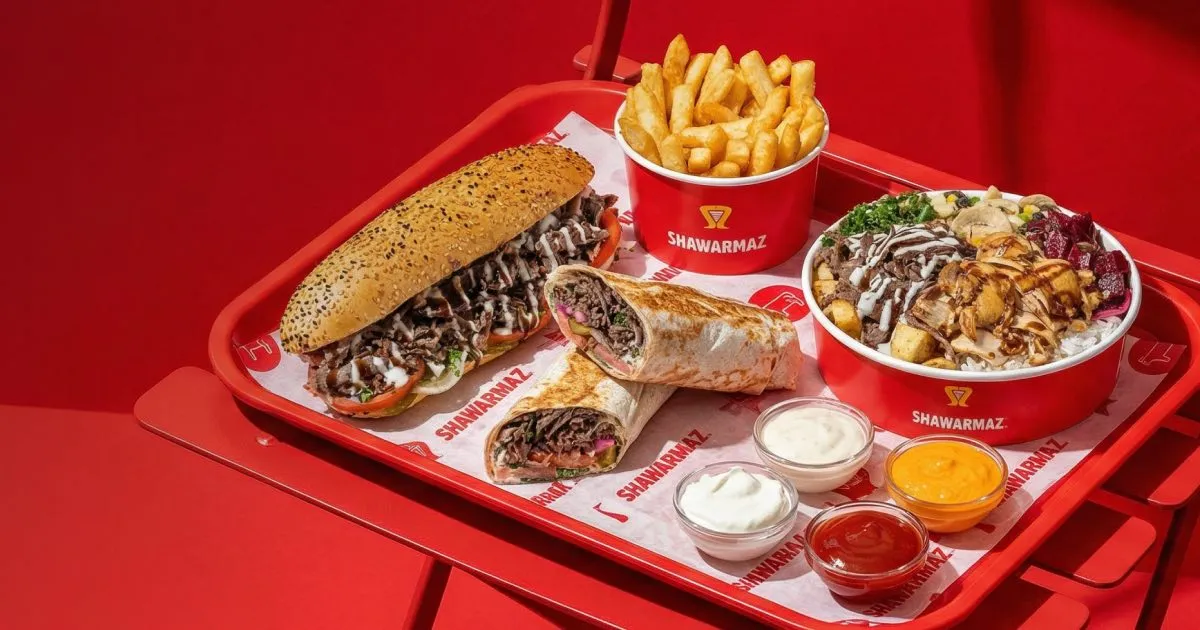
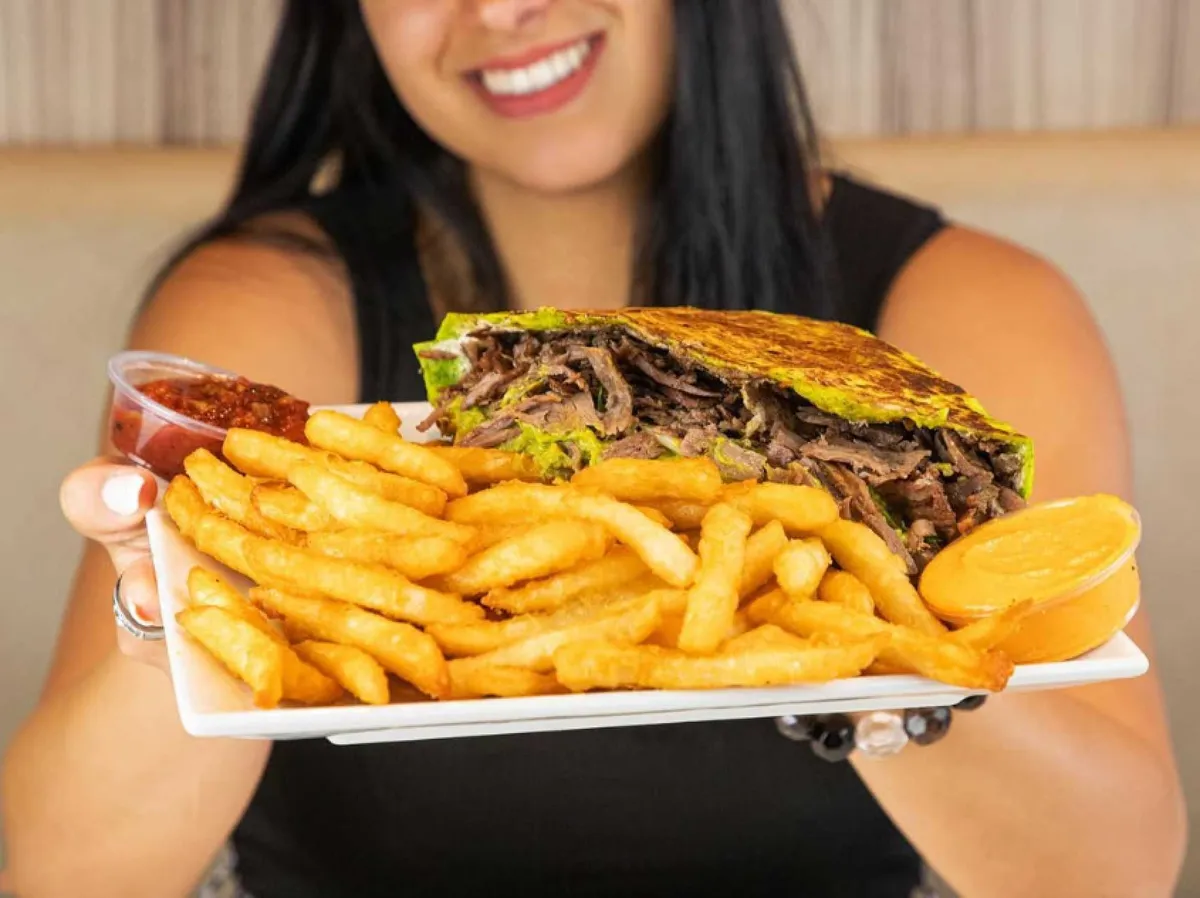
Visually, they can appear very similar. Both may be served in wraps, sandwiches, plates, or bowls. Both can use beef, chicken, or lamb, depending on the region and restaurant.
But once toppings, sauces, bread, and spices are introduced, the experience changes completely.
The Biggest Difference Is Flavor
If there is one thing that separates Middle Eastern shawarma from Doner kebab the most, it is flavor intensity.
Traditional Doner kebab is usually simpler and more meat-forward. The seasoning supports the meat rather than dominating it. Yogurt marinades, mild spices, and lighter seasoning are common in Turkish doner preparation.
Shawarma takes the opposite approach.
The flavor is deeper, warmer, and much more aromatic. Garlic, spice blends, acidity, and marinades all work together to create layers of flavor in every bite.
This is also why shawarma tends to feel more expressive and bold compared to doner. Even the aroma coming off a shawarma spit is usually much stronger because of the heavy use of spices and marinades. For many people, this stronger flavor profile is exactly what makes shawarma so addictive.
Sauces and Toppings Change Everything
Another major difference between shawarma and Doner kebab is what happens after the meat is sliced.
Traditional Doner kebab often keeps toppings relatively simple. Yogurt-based sauces, light vegetables, and mild accompaniments are more common.
Middle Eastern shawarma, however, became known for building an entire flavor experience around the meat.
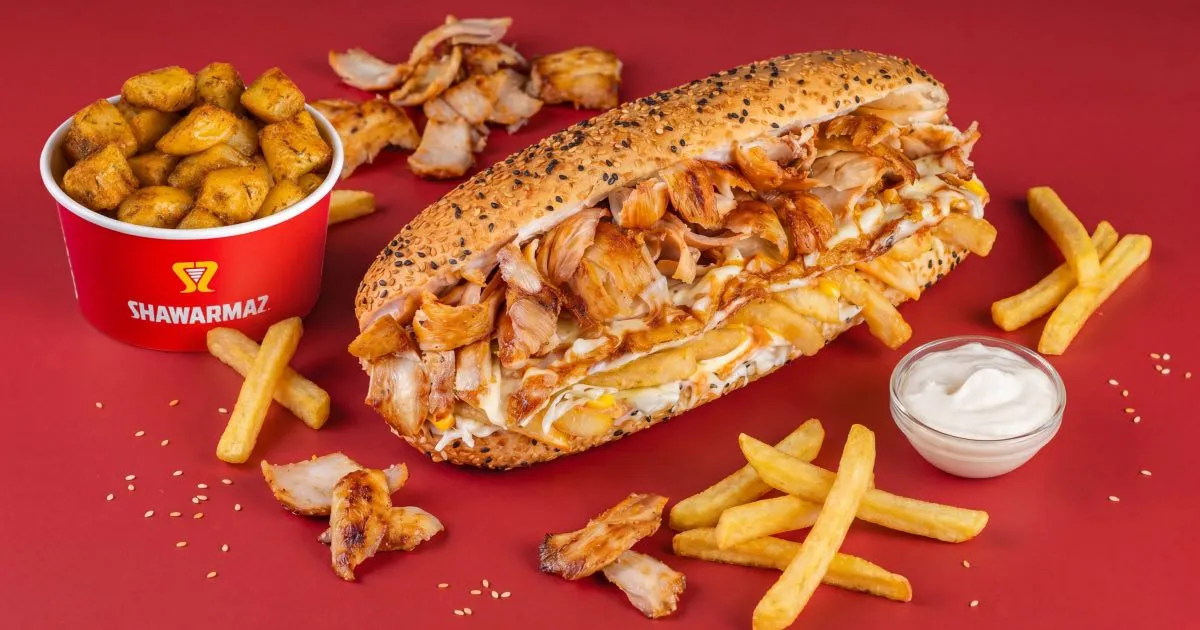
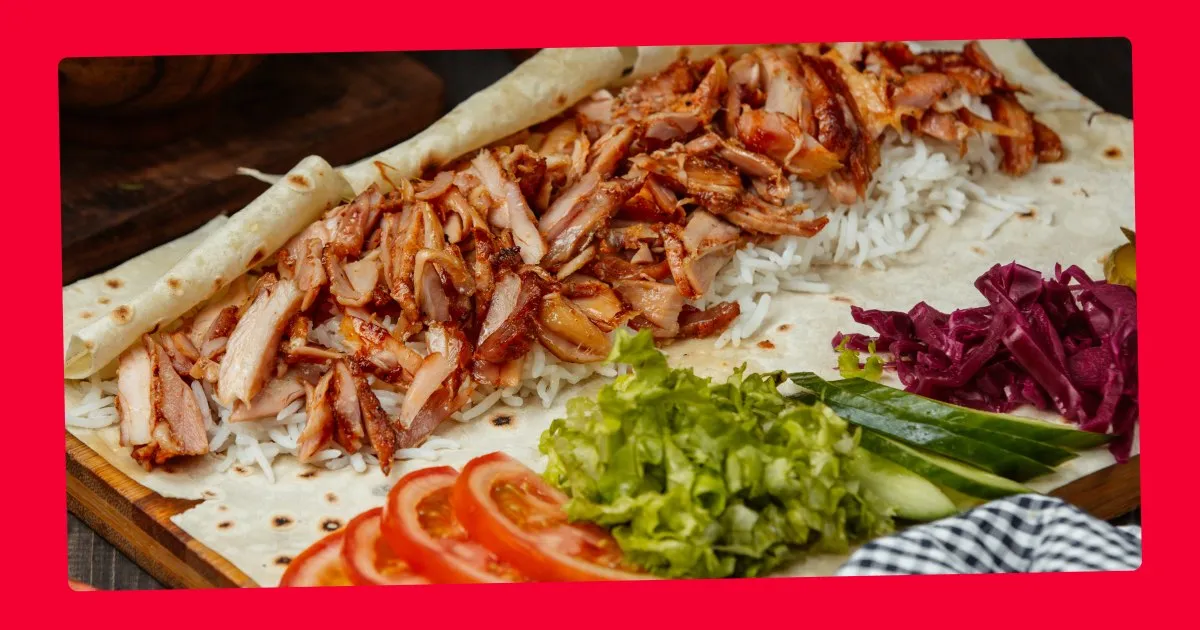
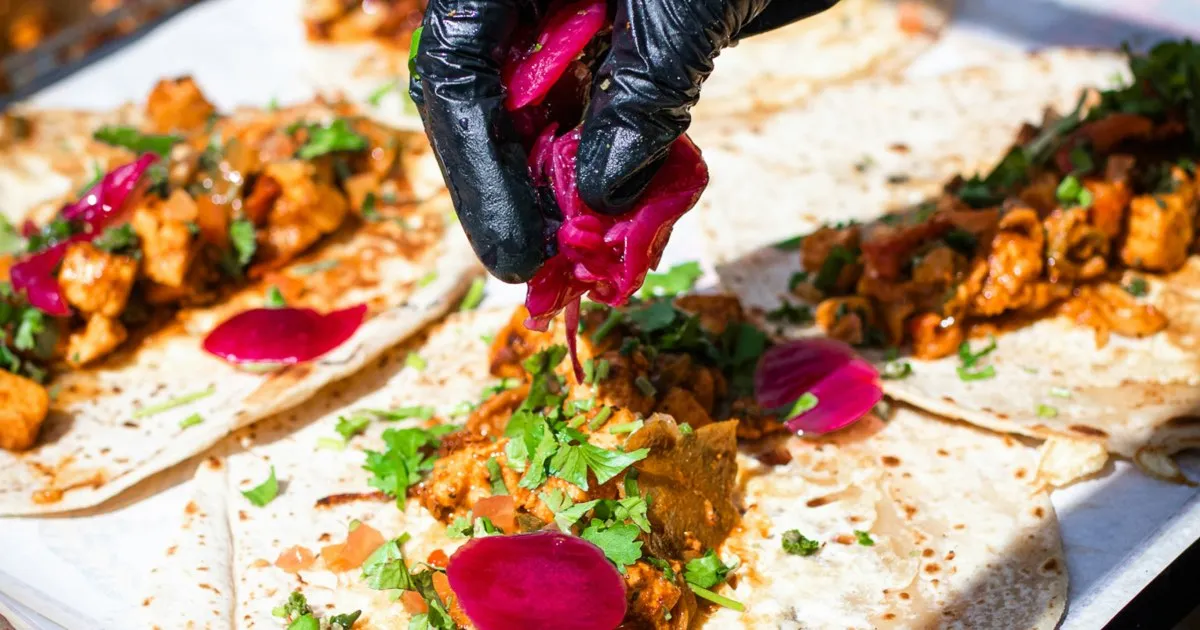
Garlic sauce plays a huge role. Tahini, pickles, turnips, fries, and fresh vegetables are often added directly into the wrap itself. Instead of acting as background ingredients, these toppings actively shape the identity of the dish.
That combination of:
Juicy marinated meat
Garlic sauce
Pickles
Warm bread
Spices
This is what many people immediately associate with authentic Middle Eastern shawarma today.
Bread and Serving Style Matter Too
The bread itself also changes the experience significantly.
Doner kebab is often served in:
Turkish pide
lavash
durum wraps
Shawarma is more commonly associated with:
Pita bread
Saj bread
Laffa bread
The texture and structure of these breads affect everything from crispness to sauce absorption and overall bite. Middle Eastern shawarma wraps also tend to include more fillings and sauces, making them feel fuller and more layered compared to the simpler structure often seen with Doner kebab.
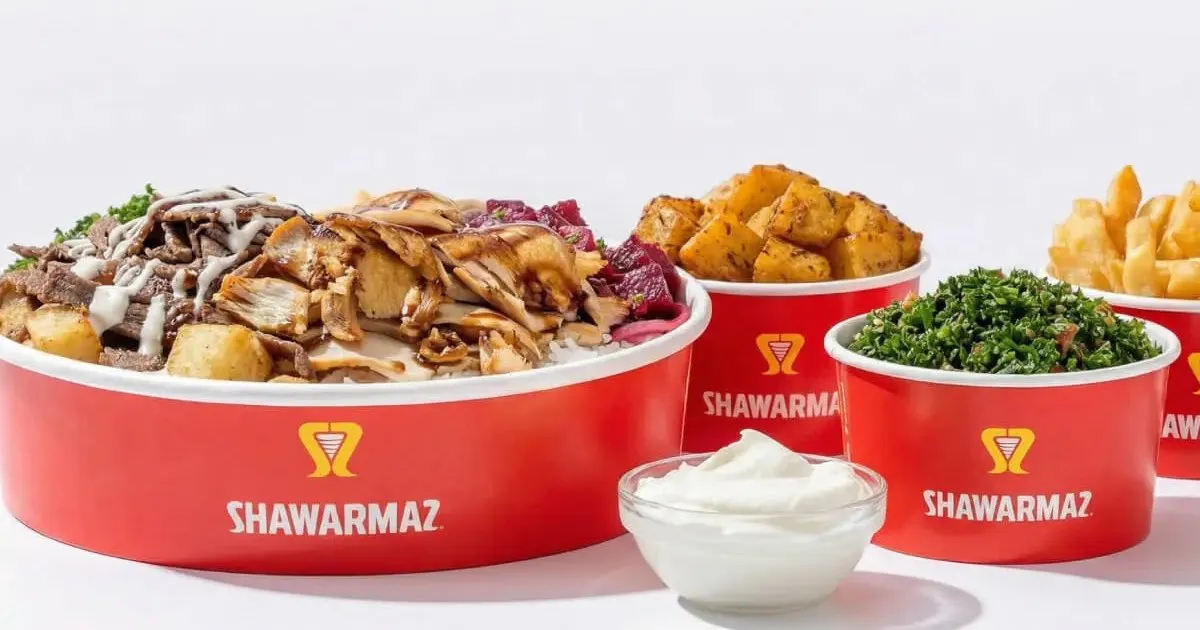
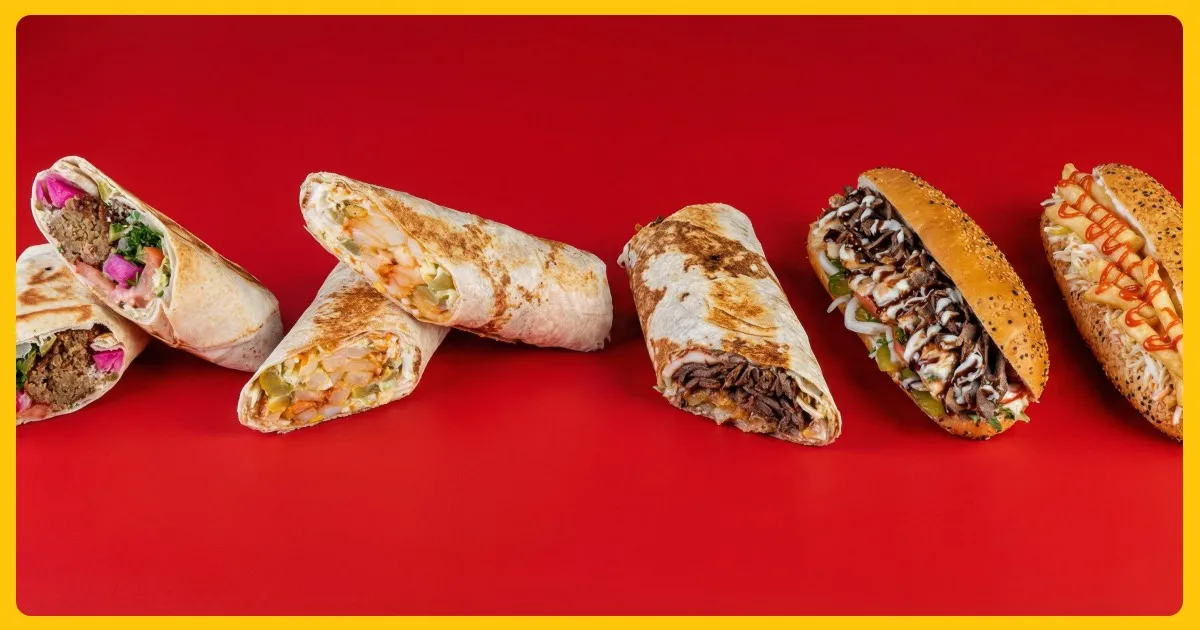
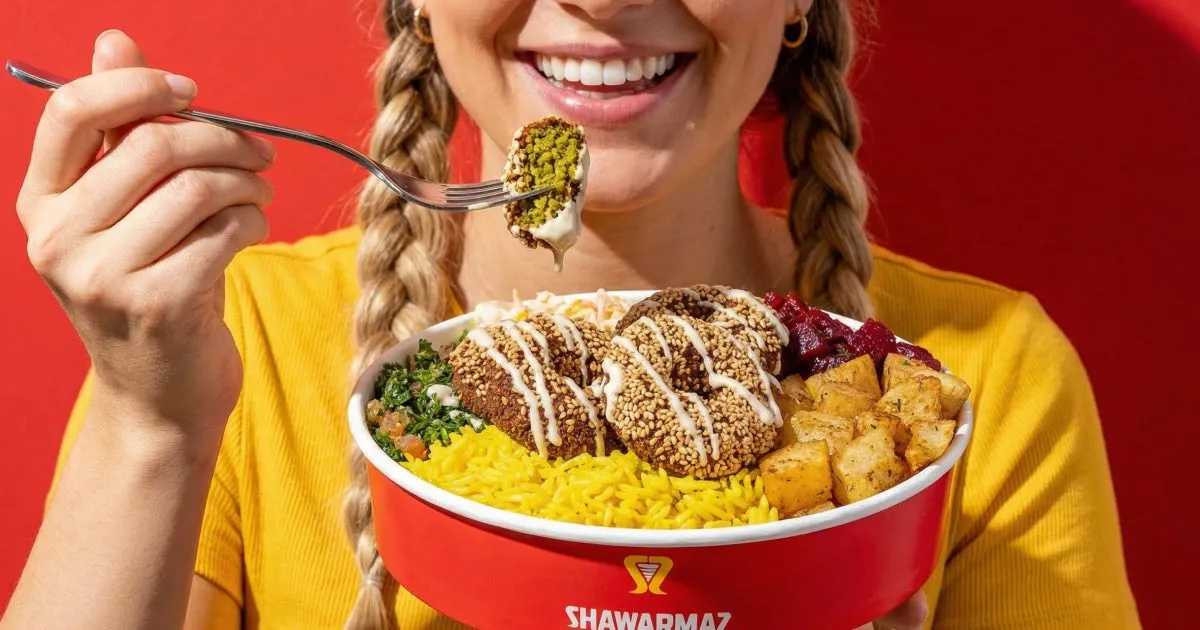
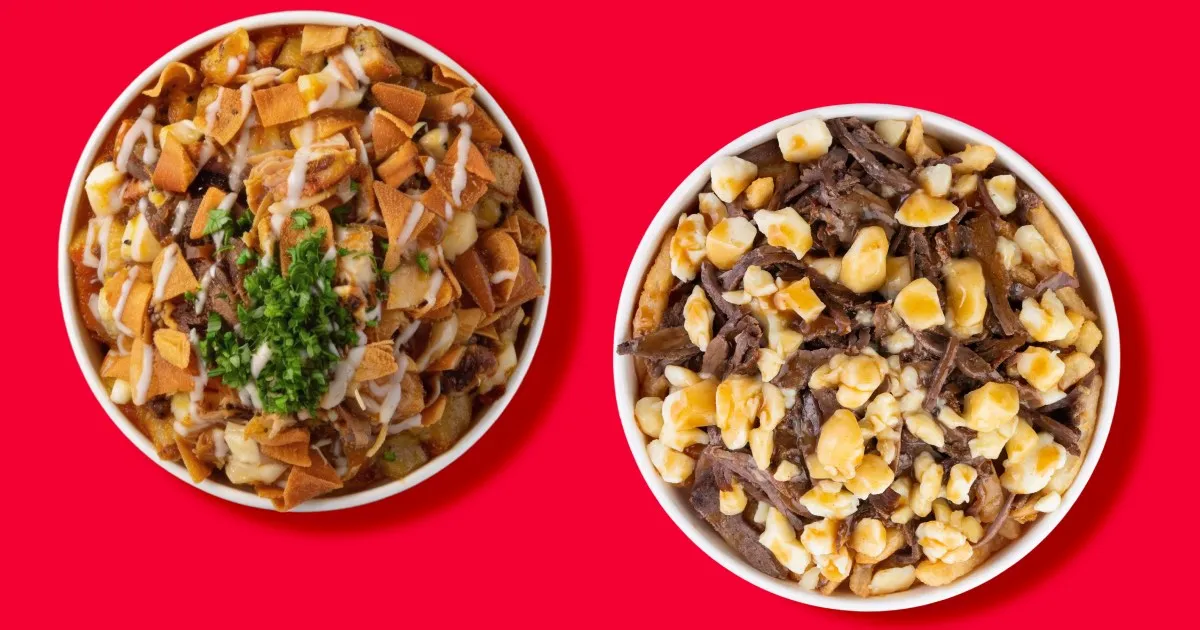
Over time, shawarma also became more adaptable. Modern shawarma menus now include:
Bowls
Platters
Poutines
Loaded fries
Saj wraps
Fusion dishes
Why Shawarma Became So Popular in Montreal
Montreal has one of the strongest Middle Eastern food cultures in Canada, which helped shawarma become deeply integrated into the city’s dining scene.
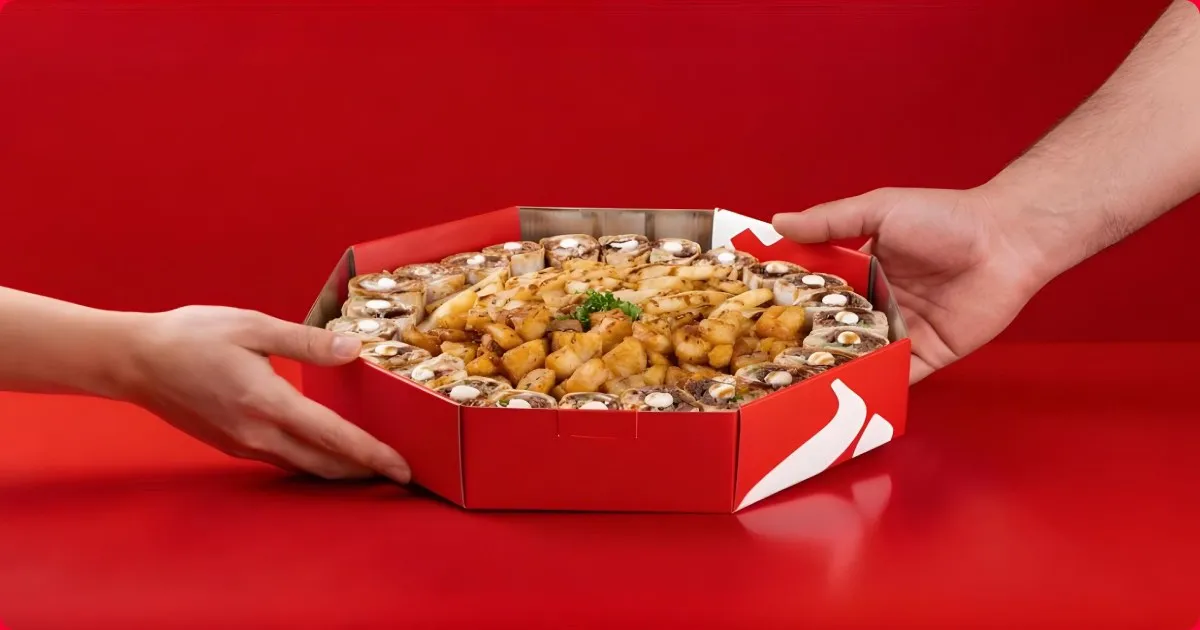
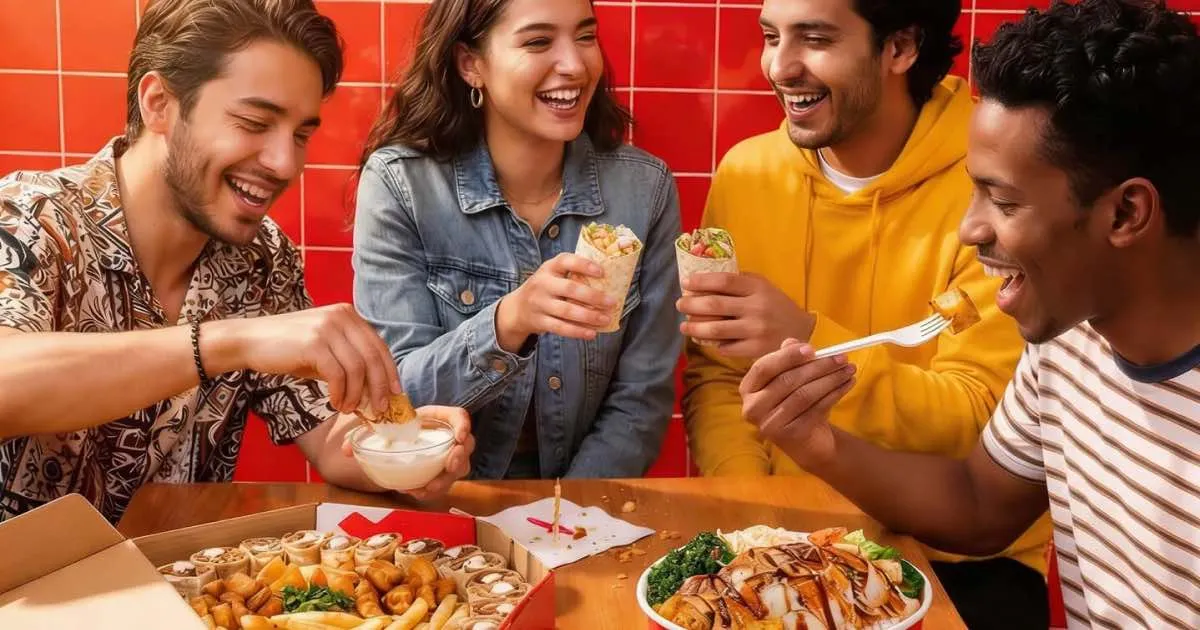
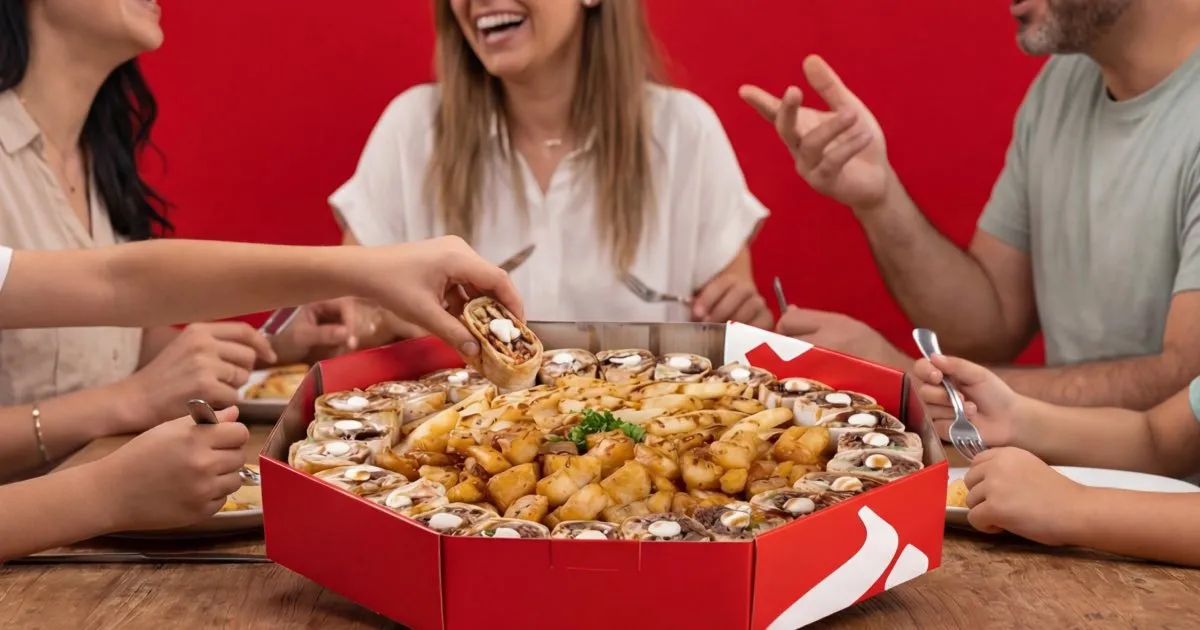
People are drawn to shawarma because it balances comfort, flavor, speed, and variety all at once. It works as quick street food, casual lunch, late-night food, or even group meals and catering. The bold spices, garlic sauce, and customizable combinations also fit perfectly with modern fast casual dining.
Today, many people searching for the best Middle Eastern shawarma restaurant in Montreal are looking for more than convenience. They want authenticity, consistency, strong flavors, and a menu that reflects the richness of Middle Eastern shawarma culture while still feeling modern and accessible.
Conclusion
So, what is the difference between shawarma and Doner kebab?
They may share the same roots and cooking technique, but they evolved into two very different experiences. Doner kebab stayed closer to its Turkish origins with simpler seasoning and a stronger focus on the meat itself. Shawarma evolved across the Middle East into a bolder, more aromatic, sauce-heavy dish built around layered flavor.
That evolution is exactly what made shawarma one of the world’s most recognizable street foods today.
If you want to experience authentic Middle Eastern shawarma with bold flavor, fresh ingredients, and modern takes on a classic tradition, visit Shawarmaz and explore why shawarma continues to stand out across Montreal.
FAQs
1. Is shawarma the same as Doner kebab?
No. While shawarma and Doner kebab use the same vertical rotisserie cooking method, they come from different culinary traditions and have distinct flavors, spices, sauces, and serving styles.
2. What is the origin of the doner kebab?
The origin of the Doner kebab traces back to Turkey during the Ottoman Empire, where vertical spit roasting became a popular method for preparing meat.
3. Why does Middle Eastern shawarma taste stronger than Doner kebab?
Middle Eastern shawarma typically uses heavier marinades and more aromatic spices such as cardamom, cumin, paprika, and cinnamon, giving it a bolder and more layered flavor profile.
4. What sauces are commonly used in shawarma?
Shawarma is commonly served with garlic sauce, tahini, pickles, and other flavorful toppings that help create its signature taste.
5. Why is shawarma so popular in Montreal?
Shawarma became popular in Montreal because of the city’s strong Middle Eastern food culture, along with the dish’s bold flavors, variety, convenience, and adaptability to modern fast casual dining.