Simple Ways to Get the Shawarma Flavors Right: Follow This Recipe
If you are looking for how to make shawarma at home and actually get it right, the goal is not to copy a restaurant exactly. The goal is to understand what creates that flavor in the first place. Shawarma is built step by step, and when one part is missing or rushed, the result feels off. You might still get seasoned meat, but it will not taste like real shawarma.
A proper shawarma recipe focuses on three things. The spice blend, the marinade, and the cooking method. Once you understand how these work together, you can recreate that flavor in a way that feels close to what you expect.
What Makes Shawarma Flavor Work

Shawarma flavor is not about intensity. It is about balance. When you taste a well-made shawarma, nothing feels too strong, but everything is present. You get warmth from the spices, depth from the garlic, a slight tang from the marinade, and a natural richness from the meat itself.
This is why random seasoning does not work. Adding more spices does not make it better. In fact, it often makes it worse. If you are following an easy shawarma recipe, this is the first thing to focus on. Keep the flavor controlled and balanced.
The Shawarma Spice Blend You Need
These are the core spices that build traditional Middle Eastern shawarma flavor:
1 teaspoon cumin
1 teaspoon paprika
1 teaspoon coriander
½ teaspoon turmeric
½ teaspoon cinnamon
½ teaspoon black pepper
Salt to taste
3 cloves garlic, crushed
Cumin gives the base warmth that defines shawarma. Paprika adds a mild smokiness that rounds out the flavor. Coriander brings a slight citrus note that keeps it from feeling heavy. Turmeric adds depth and color, while cinnamon gives a subtle background warmth that you may not notice directly but would miss if it were not there.
Garlic is essential. It should not be optional, because it ties everything together and gives shawarma its depth.
The key here is proportion. You are not trying to make one spice stand out; you are building a blend where everything works together.
The Marinade That Transforms the Meat
The marinade is what separates shawarma from simply seasoned meat. Without it, you will not get the same result.
To build a proper marinade, you need three elements:
Acid
Fat
Spice
A strong base for a shawarma recipe would be:
3 tablespoons olive oil
Juice of 1 to 2 lemons
3 cloves of garlic
Your spice mix
The oil helps carry the flavor into the meat. The lemon adds acidity, which breaks down the texture slightly and makes the meat more tender. The spices bring everything together.
Once mixed, coat the meat fully and make sure every piece is covered. This step matters because uneven marinade leads to uneven flavor.
Time is critical here. One hour is the minimum, but if you want real results, leave it overnight. This allows the marinade to fully absorb, giving you deeper flavor and better texture.
Choosing the Right Meat for Better Results
The cut of meat you choose will directly affect your final result.
For chicken shawarma, thighs are always the better option. They contain more fat than chicken breast, which means they stay juicy during cooking.
For beef shawarma, look for cuts that are not too lean. A bit of fat is important because it melts during cooking and adds both flavor and moisture.
This is one of the most overlooked parts of how to make shawarma at home. The right cut makes a noticeable difference.
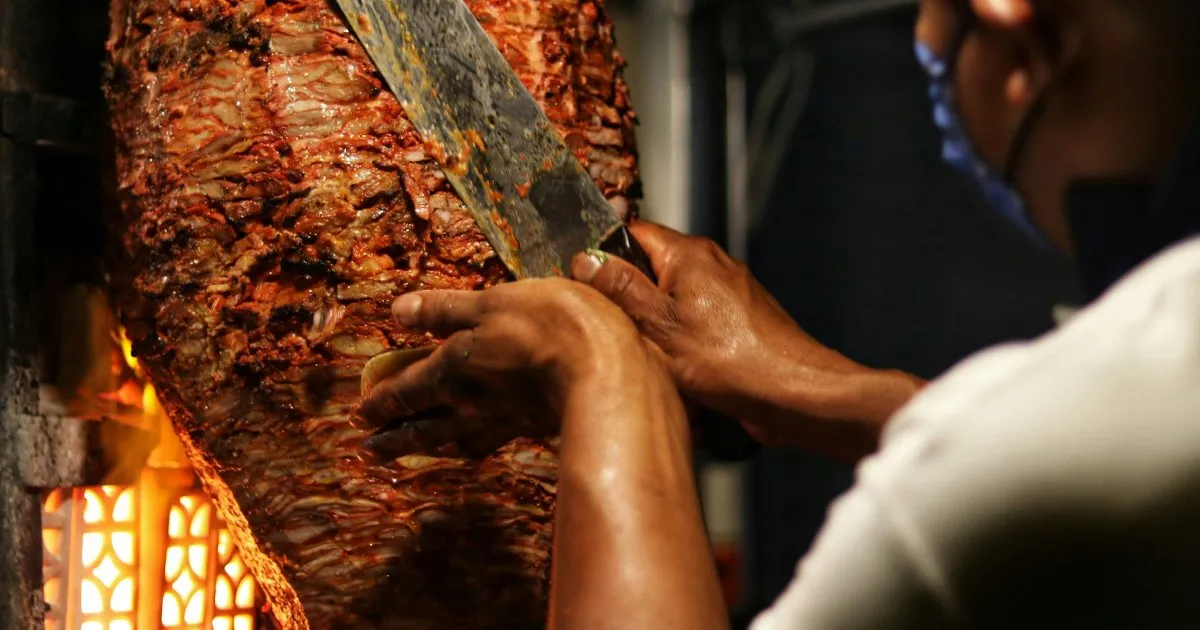
How to Cook Shawarma Without a Rotisserie

You do not need professional equipment to get good results. You just need to control heat and timing.
Oven Method
Preheat your oven to 220°C. Spread the marinated meat on a tray in a single layer. Avoid stacking too much, because you want the heat to reach the surface properly.
Cook for about 20 to 25 minutes, depending on thickness. Once the meat is cooked through, switch to high heat or broil for a few minutes. This step helps create slightly crisp edges, which is an important part of shawarma texture.
Pan Method
Heat a pan over medium-high heat. Add the meat in batches instead of overcrowding the pan. This allows the meat to sear slightly instead of steaming.
Let some edges brown. Do not keep moving the meat constantly. Give it time to develop texture.
In both methods, avoid overcooking. Shawarma should stay juicy inside while having a bit of texture on the outside.
Building the Shawarma Wrap the Right Way
Once your meat is ready, the way you build the wrap matters just as much.
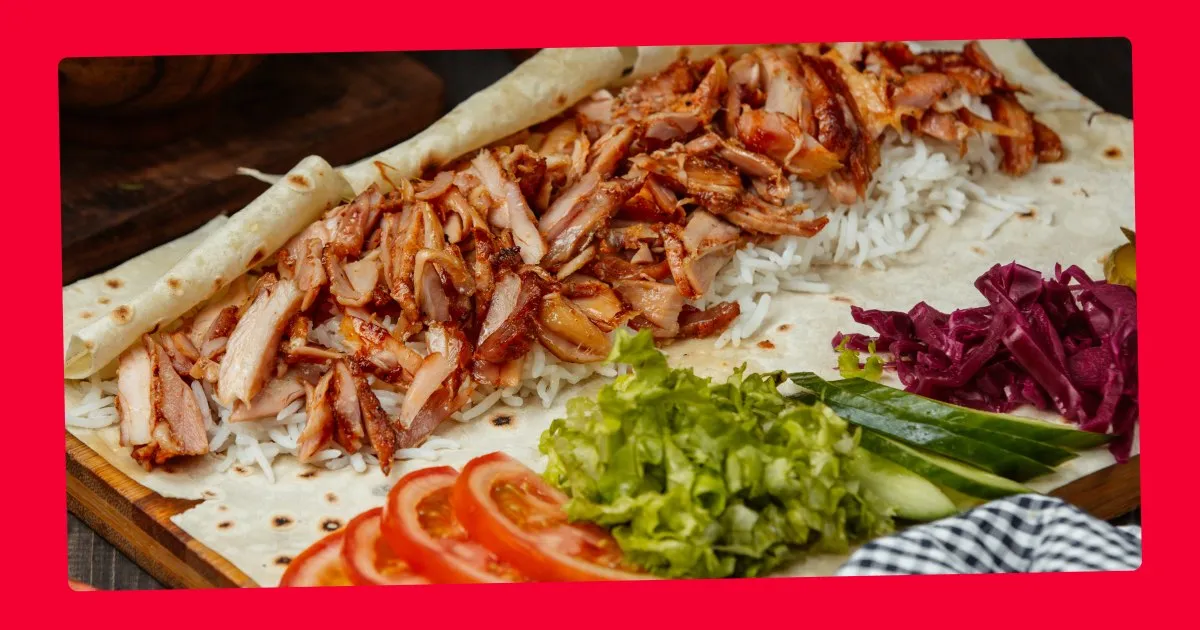
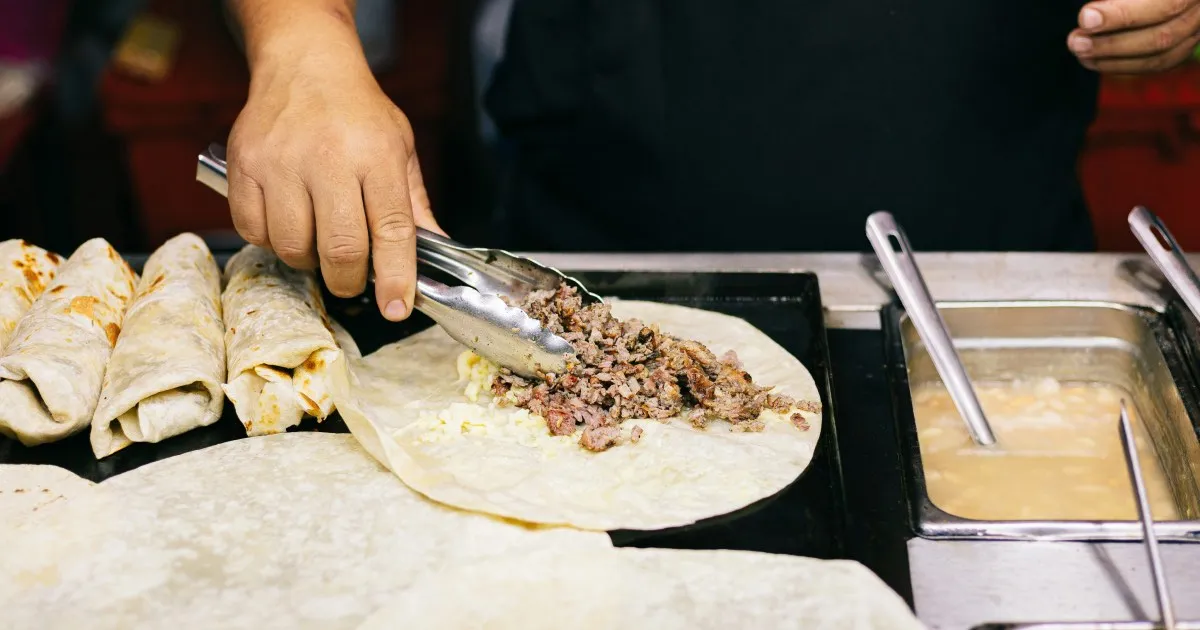
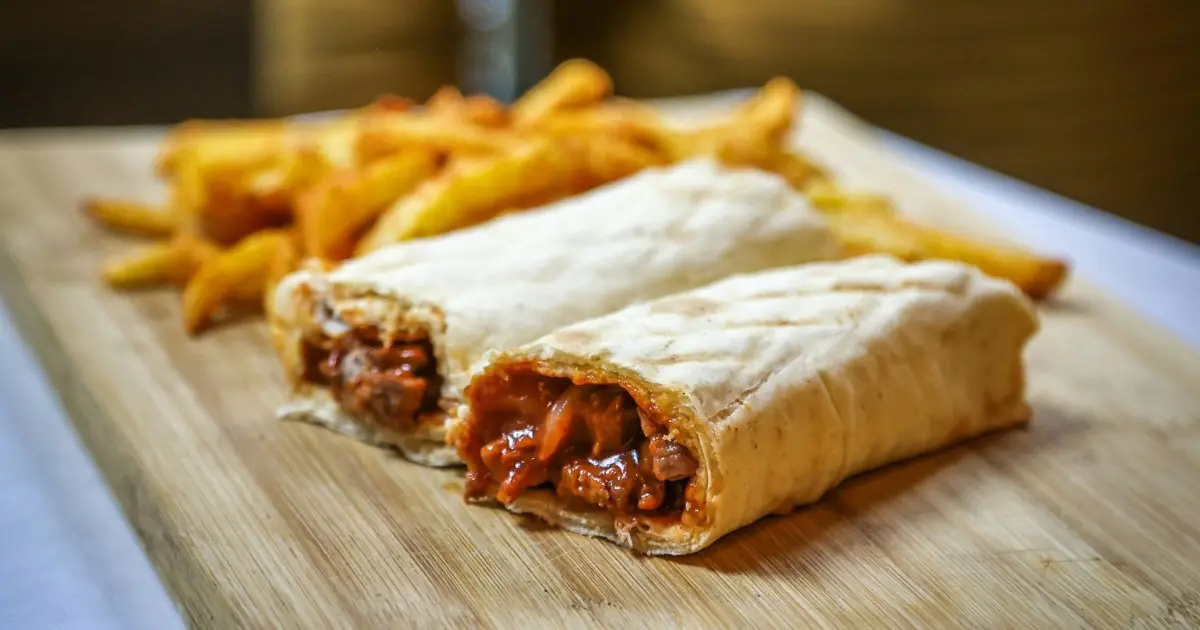
Use saj bread if possible. It should be soft, thin, and warm. This type of bread wraps tightly and keeps everything together without feeling heavy.
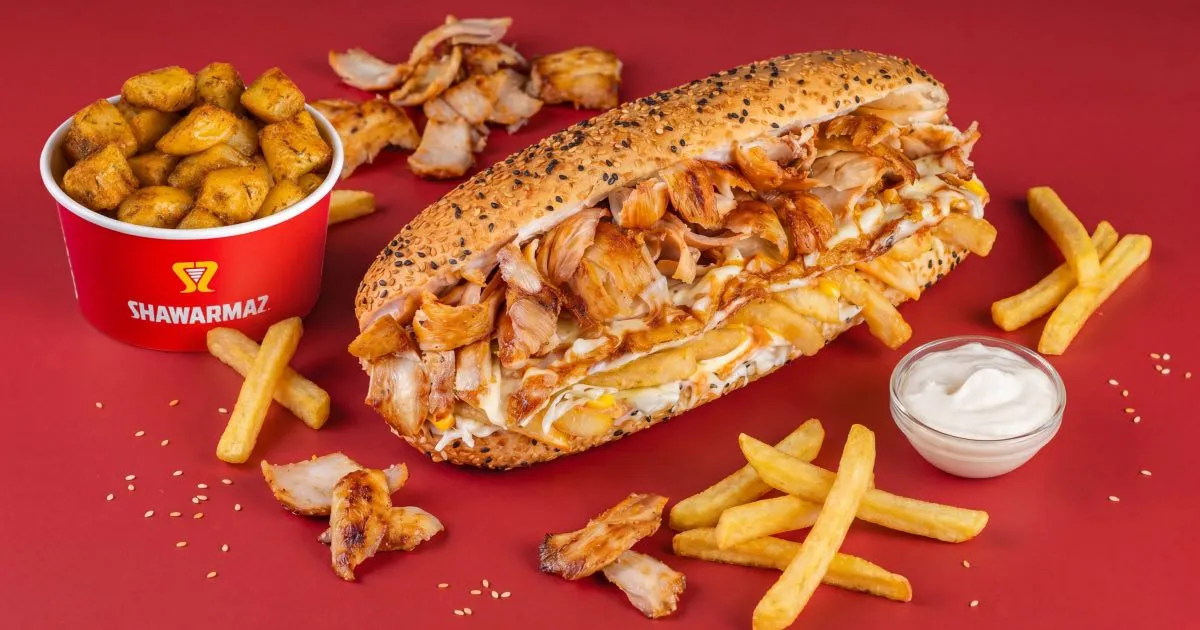
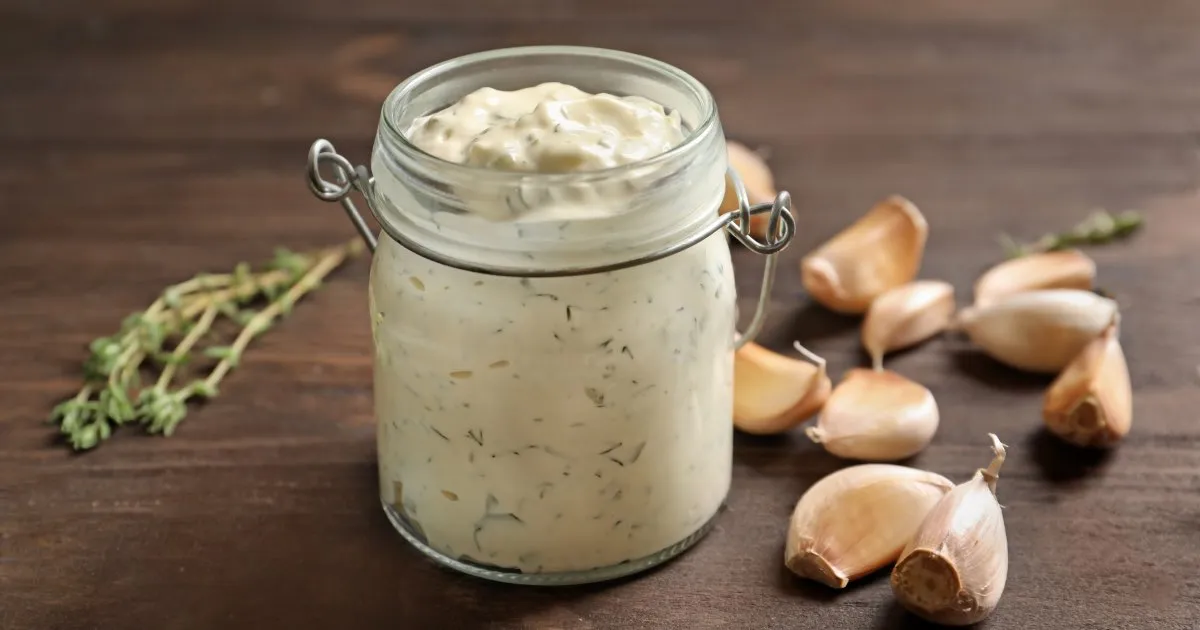
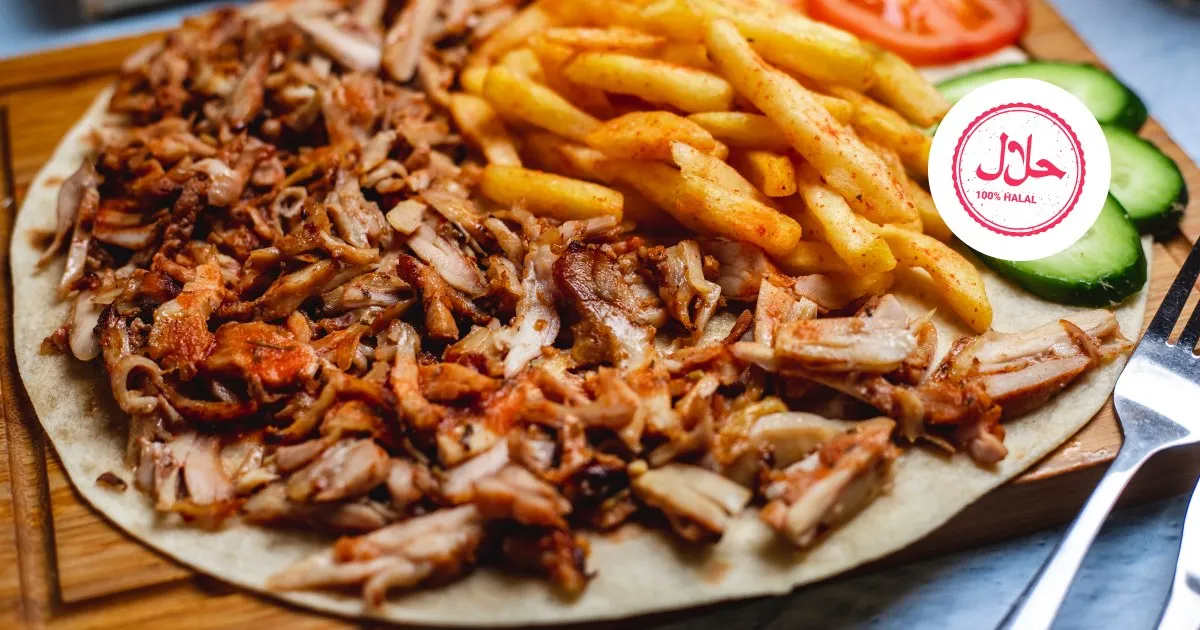
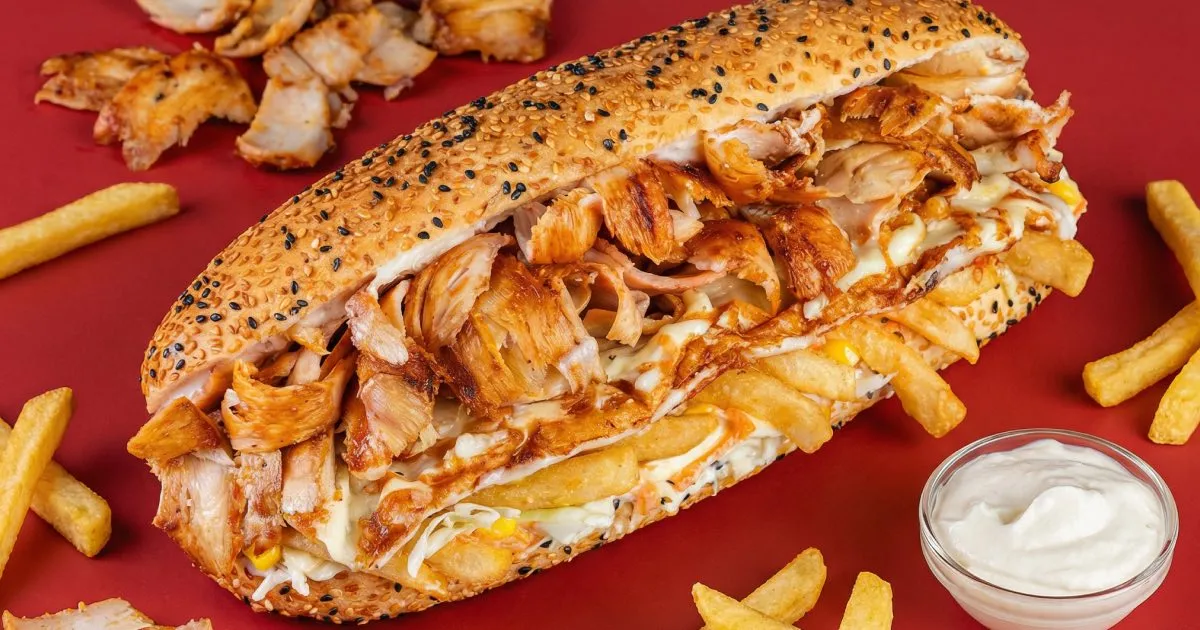
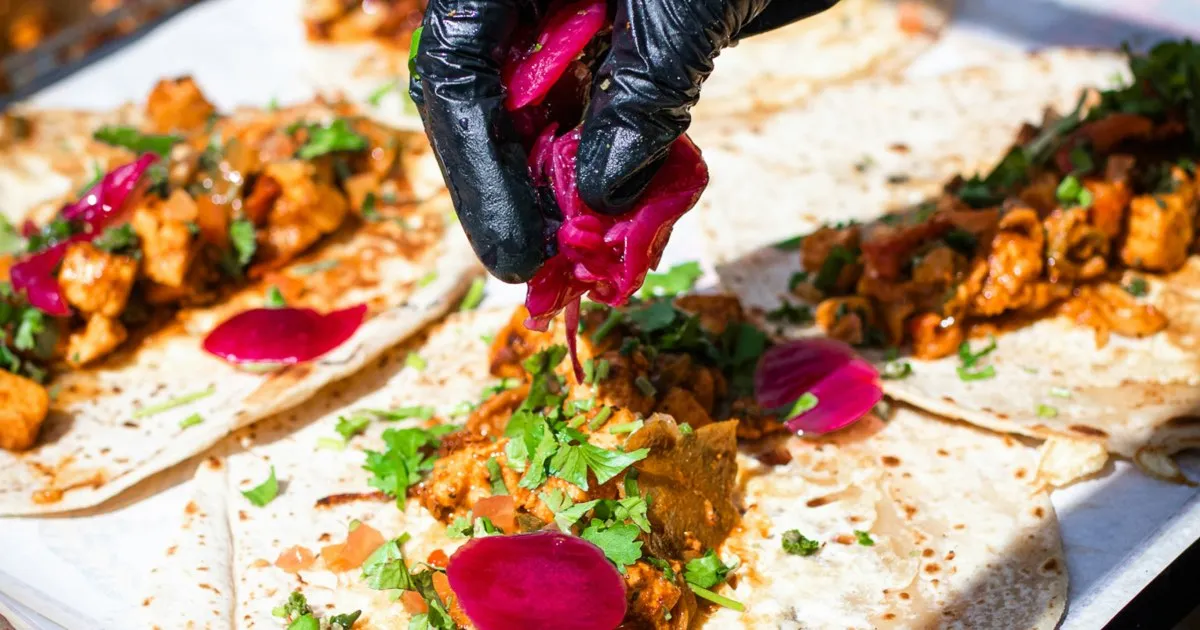
For chicken shawarma, the classic combination includes garlic sauce and pickles. The garlic sauce adds creaminess and a strong flavor that balances the spices, while the pickles bring acidity that cuts through the richness. Fries can also be added inside for extra texture and a more filling wrap.
For beef shawarma, tahini sauce is more common. It adds a smooth, slightly nutty flavor. Onions and parsley are usually included, giving freshness and a bit of sharpness that balances the heavier meat.
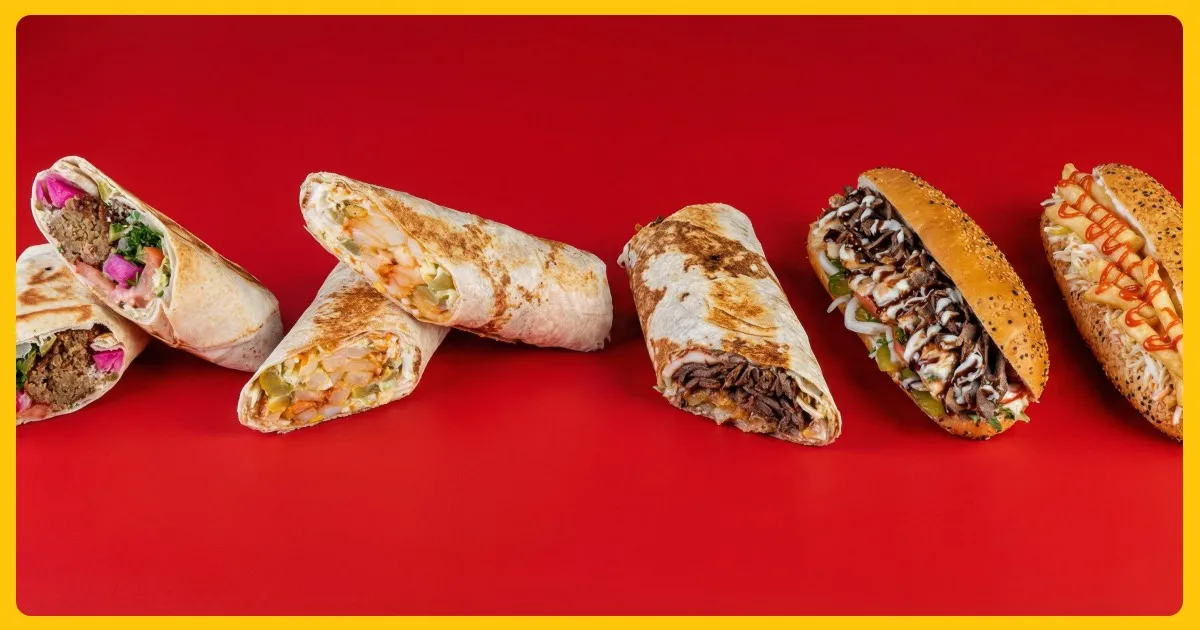
Shawarma is also very flexible. You can keep it traditional or adjust it based on what you prefer. That versatility is part of what makes it such a popular meal.
Conclusion
Learning how to make shawarma at home is about understanding the process, not just following steps. Once you get the balance right, the flavor comes together naturally.
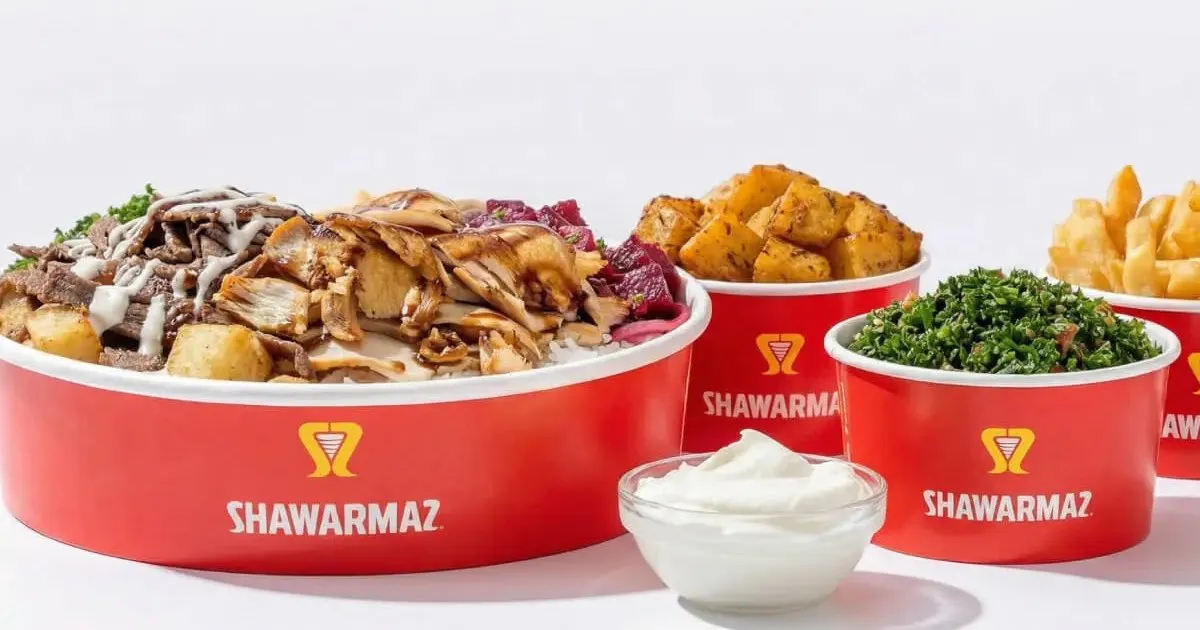
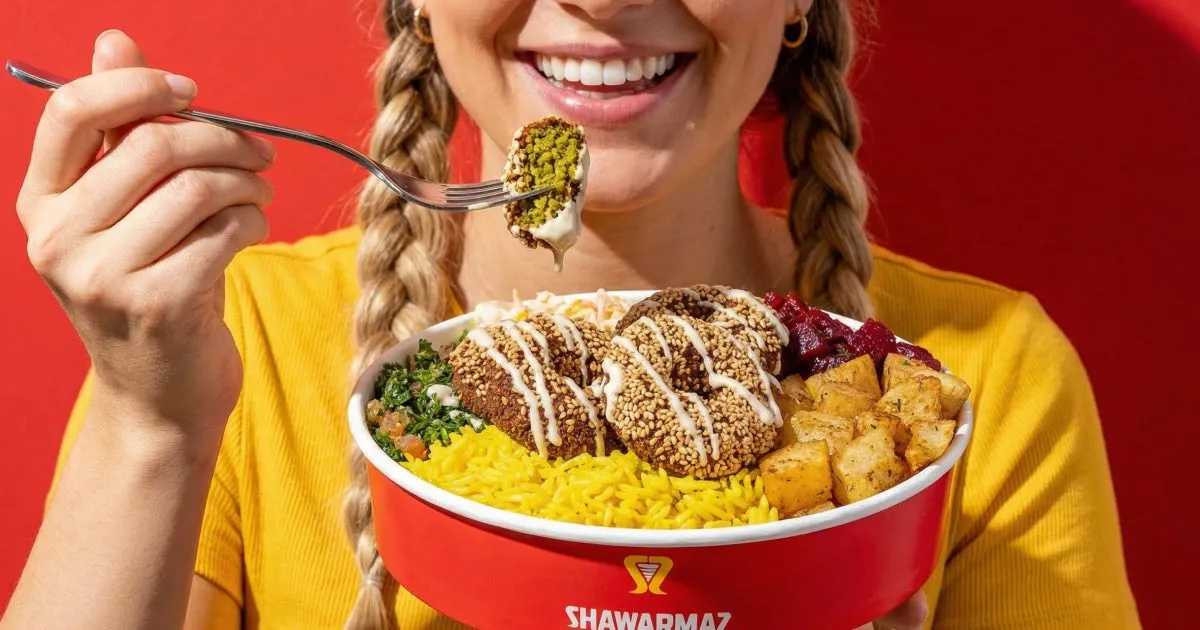
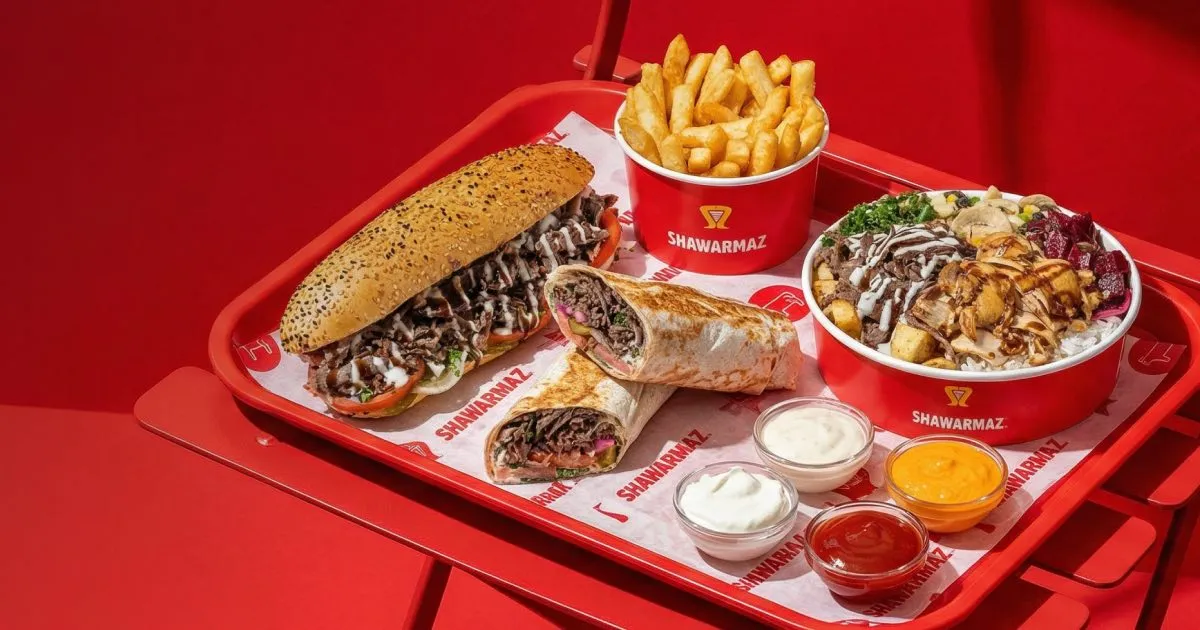
And if you want to experience it done properly without the trial and error, you already know where to go. If you are searching for the best shawarma in Montreal or wondering where to try a Middle Eastern restaurant in Montreal, Shawarmaz brings the same flavor, balance, and consistency you are aiming for at home.
FAQs
1. What is the best way to make shawarma at home?
The best way to make shawarma at home is to focus on the marinade, use the right spice blend, and cook the meat at a high temperature to get a slight crisp while keeping it juicy inside.
2. How long should shawarma be marinated?
For good results, shawarma should be marinated for at least 1 hour, but leaving it overnight gives a deeper flavor and better texture.
3. What spices are used in a traditional shawarma recipe?
Traditional shawarma uses spices like cumin, paprika, coriander, garlic, turmeric, cinnamon, black pepper, and salt to create a balanced and warm flavor.
4. Can I make shawarma without a rotisserie?
Yes, you can make shawarma at home using an oven or a pan. High heat and proper cooking time help achieve a similar texture and flavor.
5. Where can I try authentic shawarma in Montreal?
If you want to try shawarma done properly, Shawarmaz offers authentic flavors and a variety of options across its locations in Montreal.