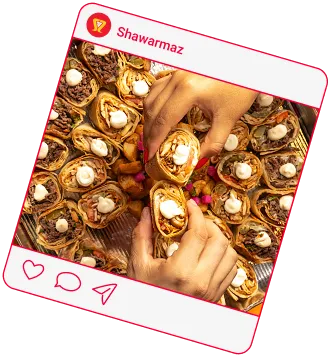
Why NDG Became One of Our Most Routine-Based Locations
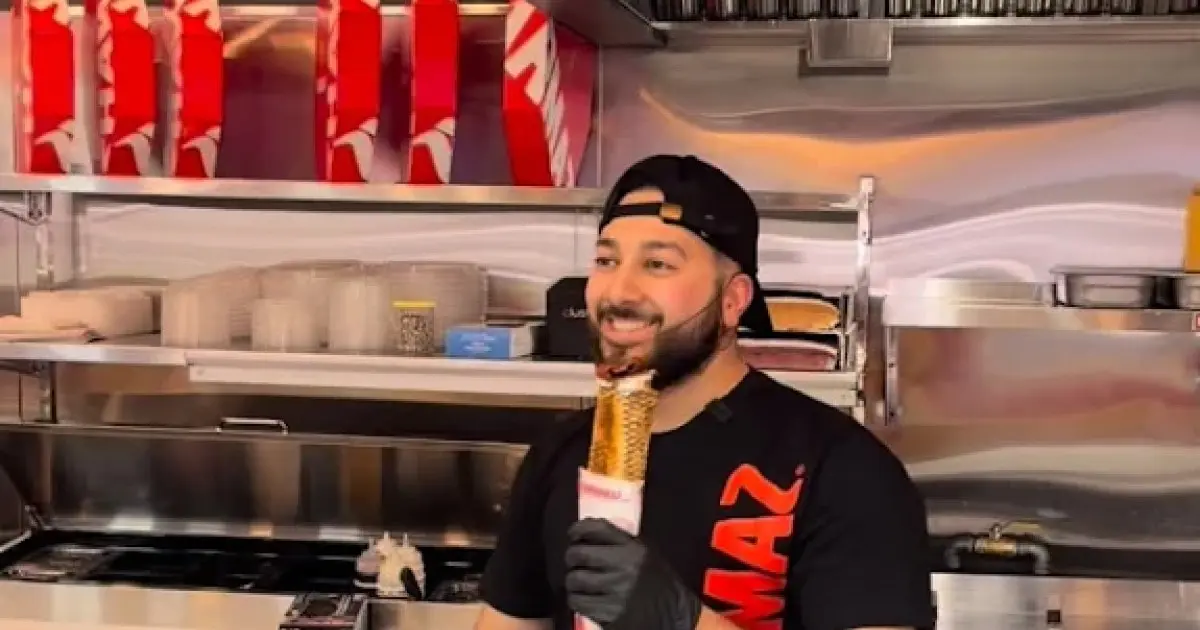
Some restaurant locations survive through visibility. Others grow because people keep coming back to them without even thinking twice. They become part of someone’s lunch break, their quick dinner plan after work, or the place they stop by at the end of a long day because they already know what to expect.
That is exactly what happened with Shawarmaz NDG.
Over time, this shawarma restaurant in NDG became more than just another place to grab food. It naturally became part of the neighborhood’s rhythm. The location fits into people’s routines in a way that feels easy and familiar, which is one of the biggest reasons it continues building strong local restaurant loyalty.
In a neighborhood like NDG, that matters more than hype.
NDG Is Built Around Everyday Life
Notre-Dame-de-Grâce does not function like downtown Montreal. It is not a neighborhood built entirely around tourists, office towers, or one-time visits. It is residential, community-driven, and deeply connected to daily life.
People in NDG build routines around places they trust. They return to the same cafés, bakeries, grocery stores, and restaurants because consistency matters in a neighborhood where people genuinely live rather than simply pass through.
That creates a completely different type of neighborhood dining culture.
Restaurants here are not competing only for attention. They are competing to become part of someone’s week. Once a location earns that place in people’s routines, repeat visits start happening naturally. That is one of the strongest reasons Shawarmaz NDG evolved into a regular daily lunch destination for so many local residents, students, and professionals.
Sherbrooke Street West Keeps the Neighborhood Moving
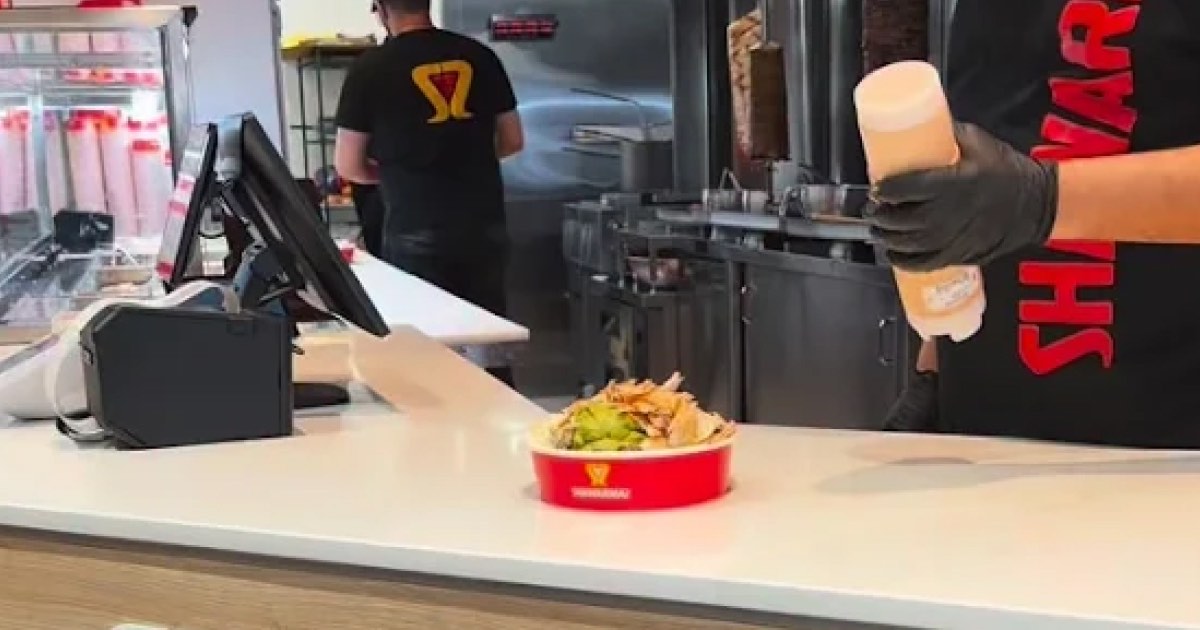
Location plays a huge role in how restaurants become routine-based, and Sherbrooke Street West creates exactly the kind of daily movement that supports repeat visits.
People move through the area constantly while running errands, commuting locally, picking up groceries, heading home from work, or meeting friends nearby. Unlike entertainment-focused districts where dining is often planned ahead, NDG traffic is tied more closely to everyday movement.
This creates more spontaneous food decisions. Someone may stop for a quick wrap after work one day, order delivery another night, and come back for lunch again later in the week. The restaurant gradually becomes integrated into everyday habits instead of remaining an occasional stop.
That pattern is extremely valuable for restaurants because repeat traffic creates stronger long-term stability than one-time visits.
The Community Naturally Supports Repeat Visits
One of the things that makes NDG different is its balance between families, students, and long-term residents.
Concordia’s Loyola campus nearby contributes to the constant flow of students looking for quick and satisfying meals. At the same time, the neighborhood itself has a strong residential identity filled with people who rely heavily on local businesses throughout the week.
This naturally supports local restaurant loyalty because residents are not searching for a completely different experience every day. They are looking for places that feel reliable, approachable, and easy to revisit regularly.
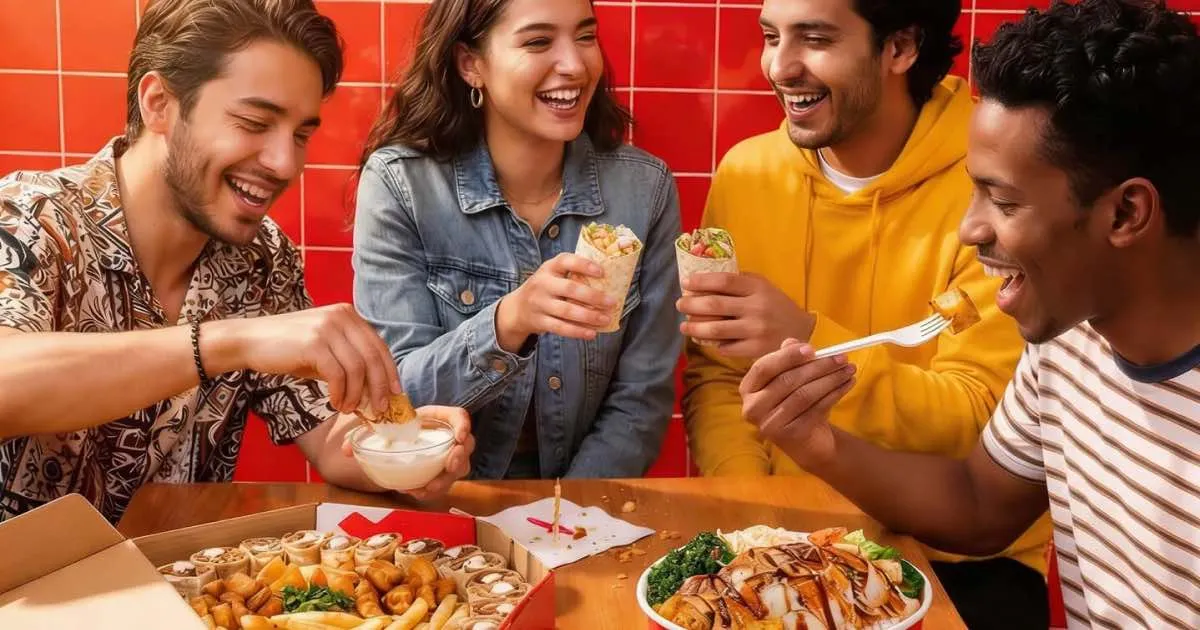
A shawarma restaurant in NDG works because it can adapt to different moments throughout the day. Some people want a fast lunch between classes or meetings. Others want takeout on the way home or late-night comfort food after a long evening. The food feels casual enough for routine visits while still being satisfying every time.
Shawarmaz Fits the Pace of NDG
In NDG, people value consistency and convenience, but they also value comfort. Restaurants need to feel approachable enough for regular visits while still delivering quality that people can rely on.
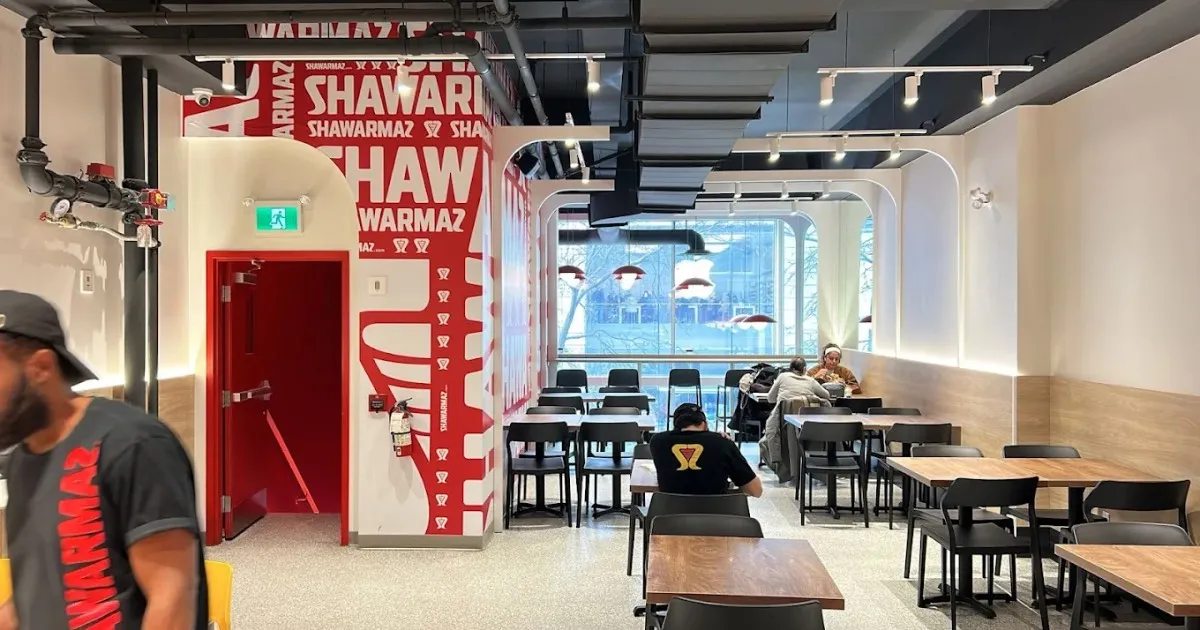
Shawarmaz fits that pace naturally. The service works well for quick pickups and casual dine-in meals without feeling rushed or impersonal. Delivery and takeout integrate easily into people’s routines, especially during busy weekdays or colder Montreal evenings when convenience matters more.
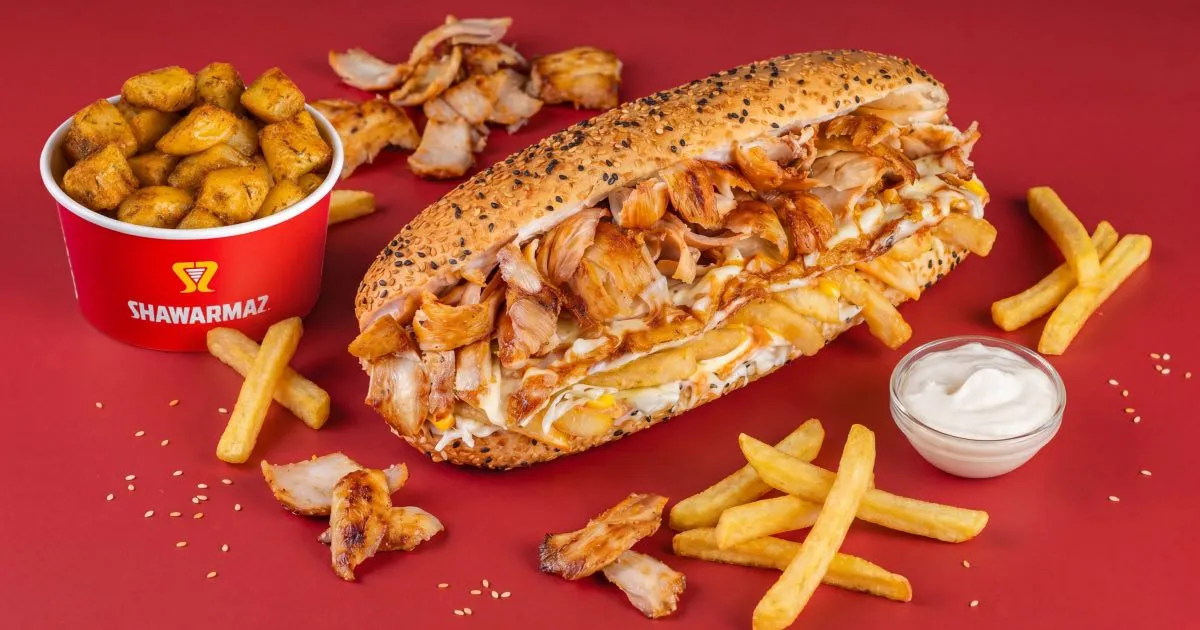
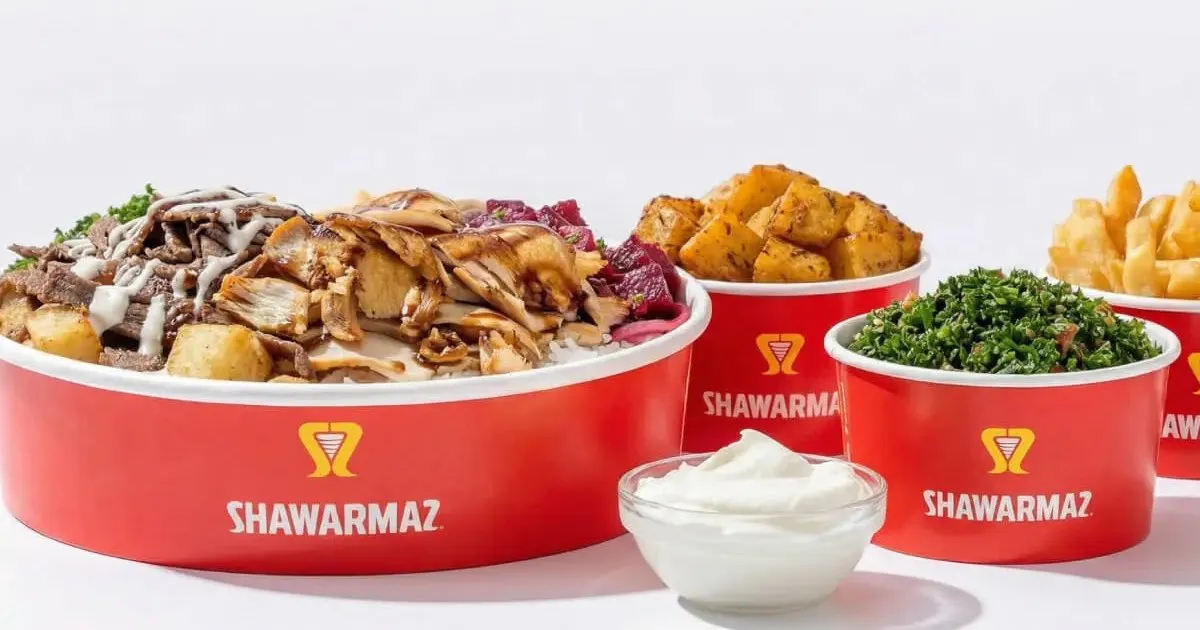
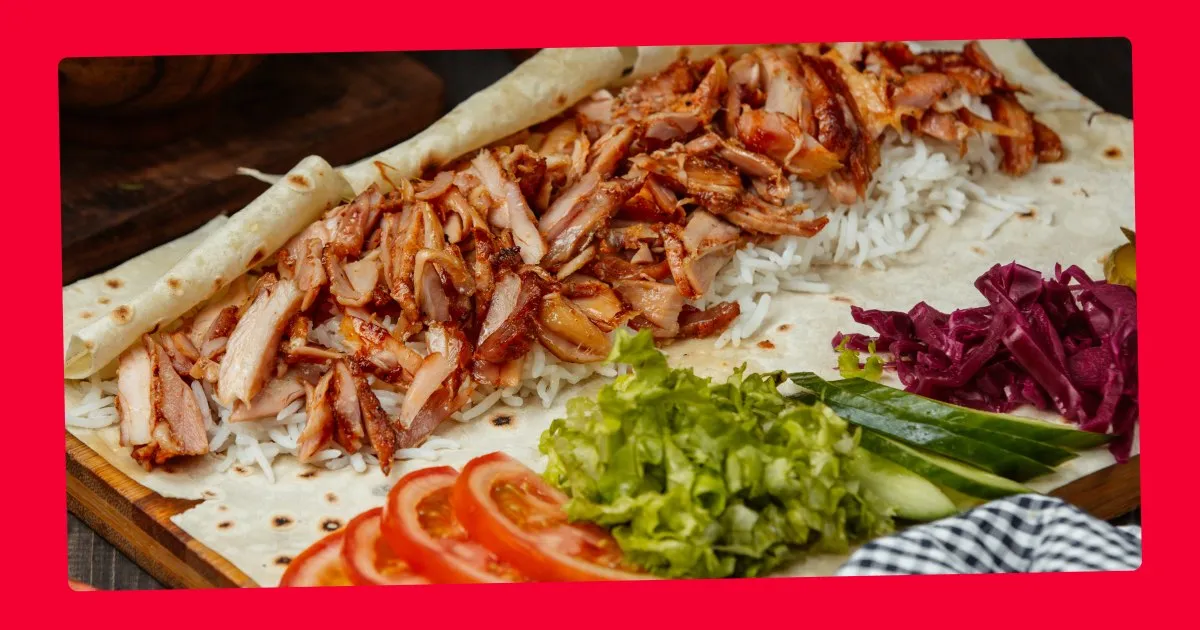
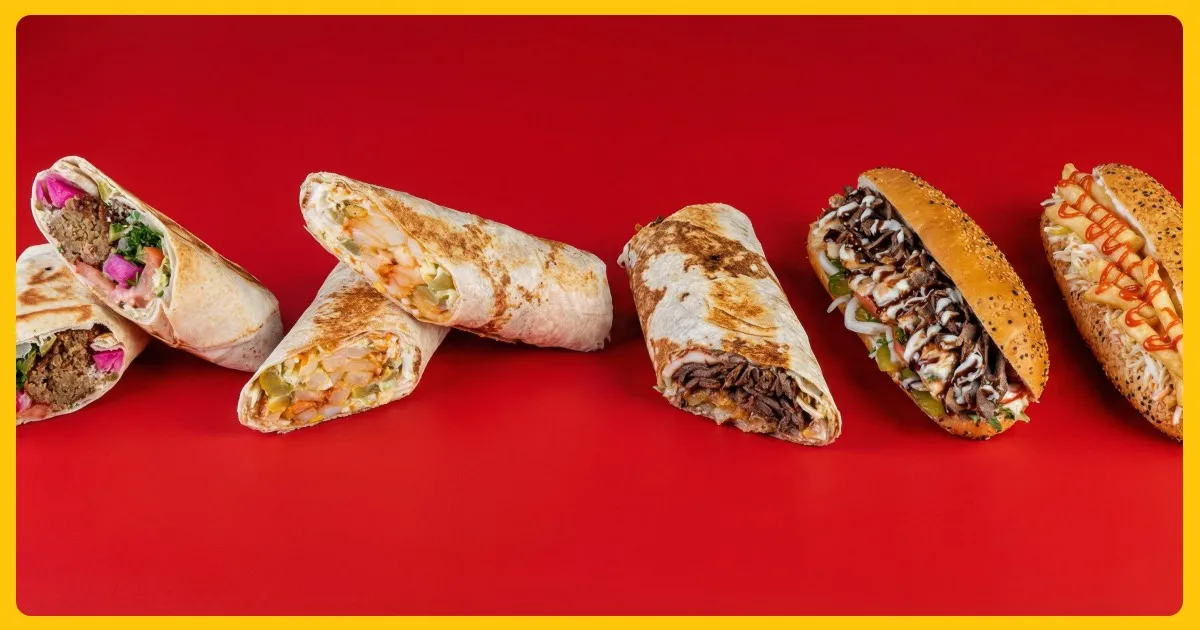
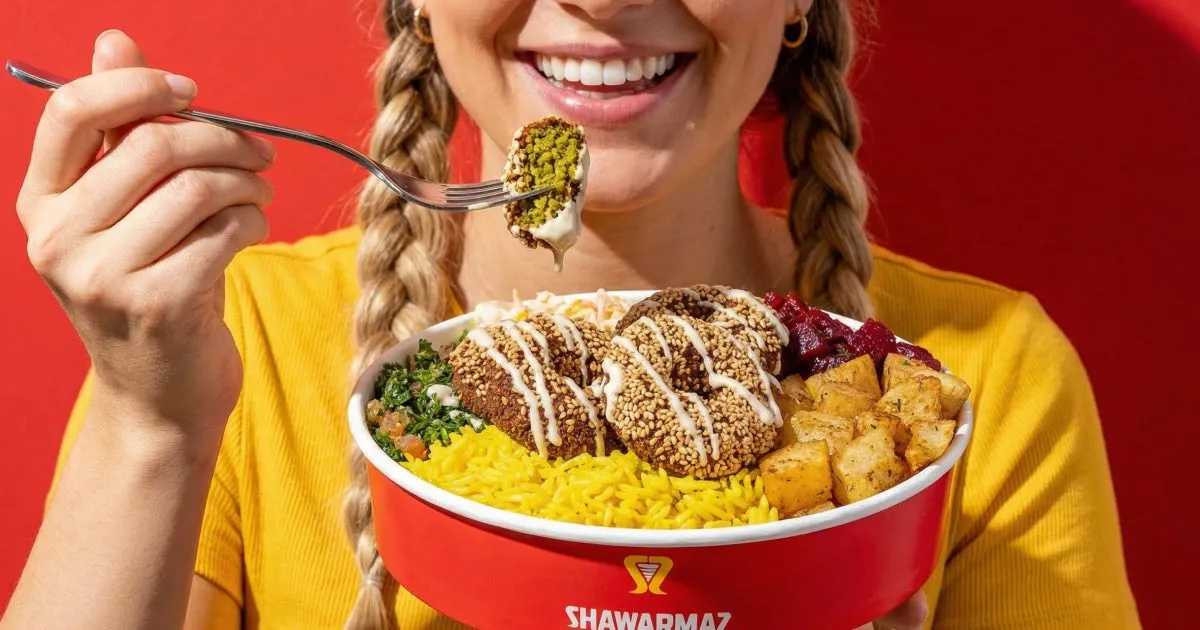
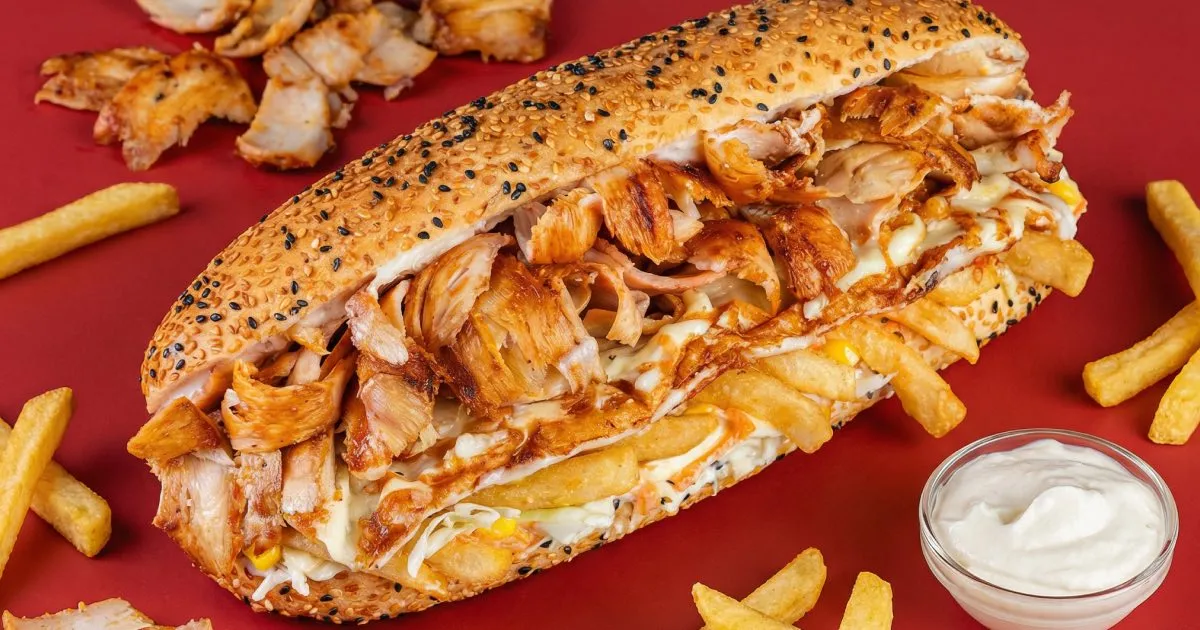
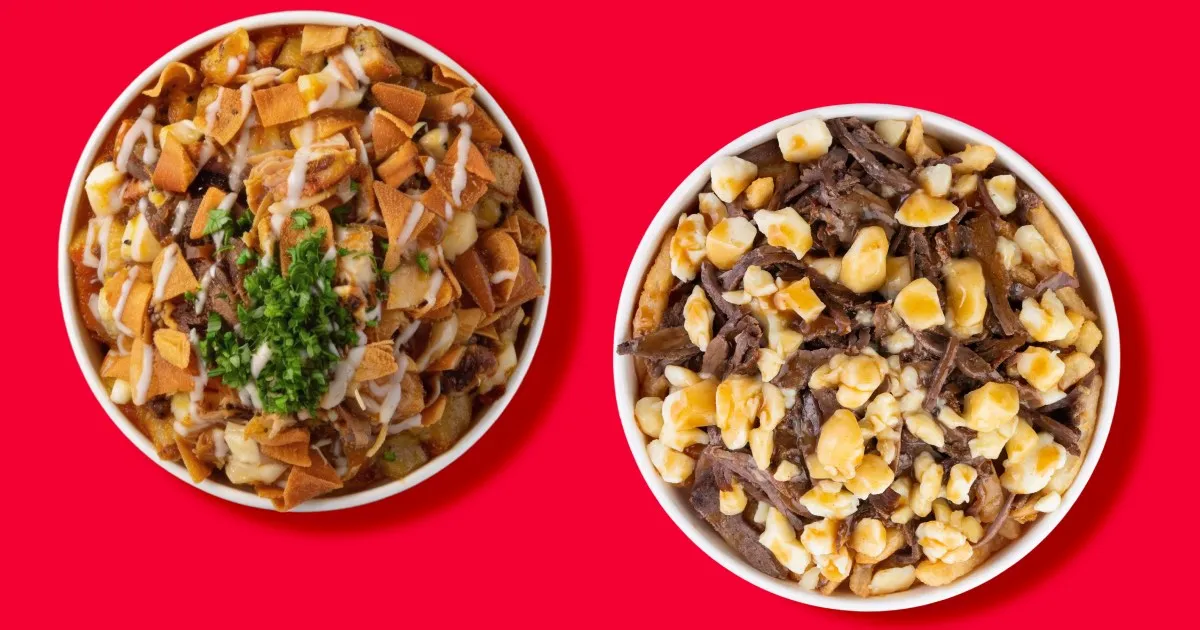
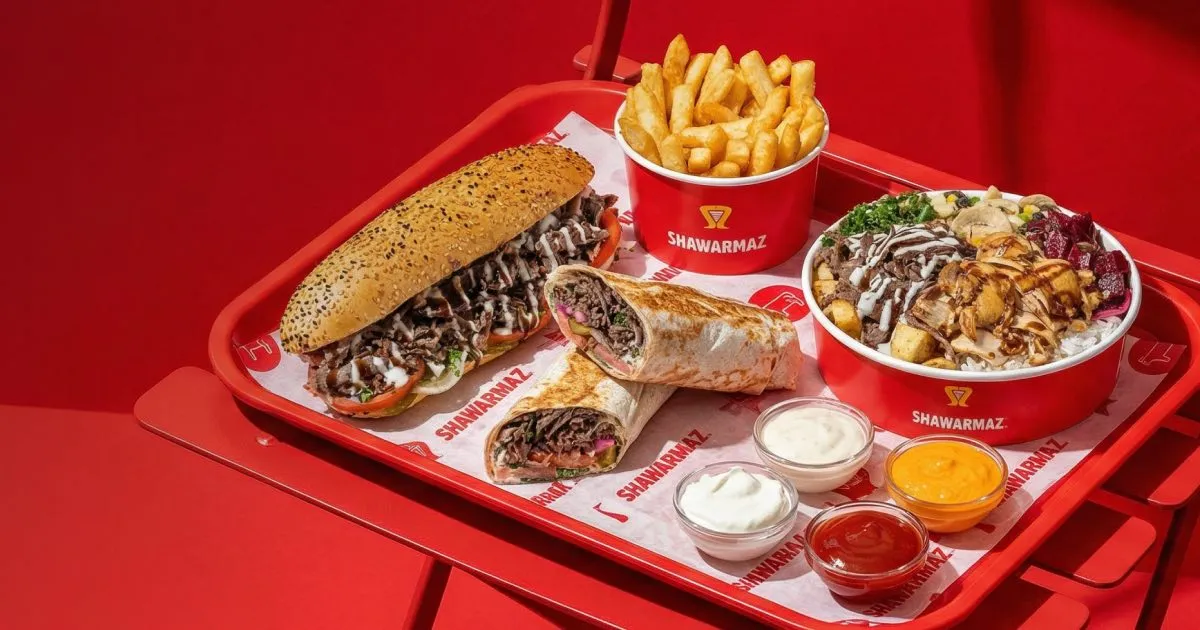
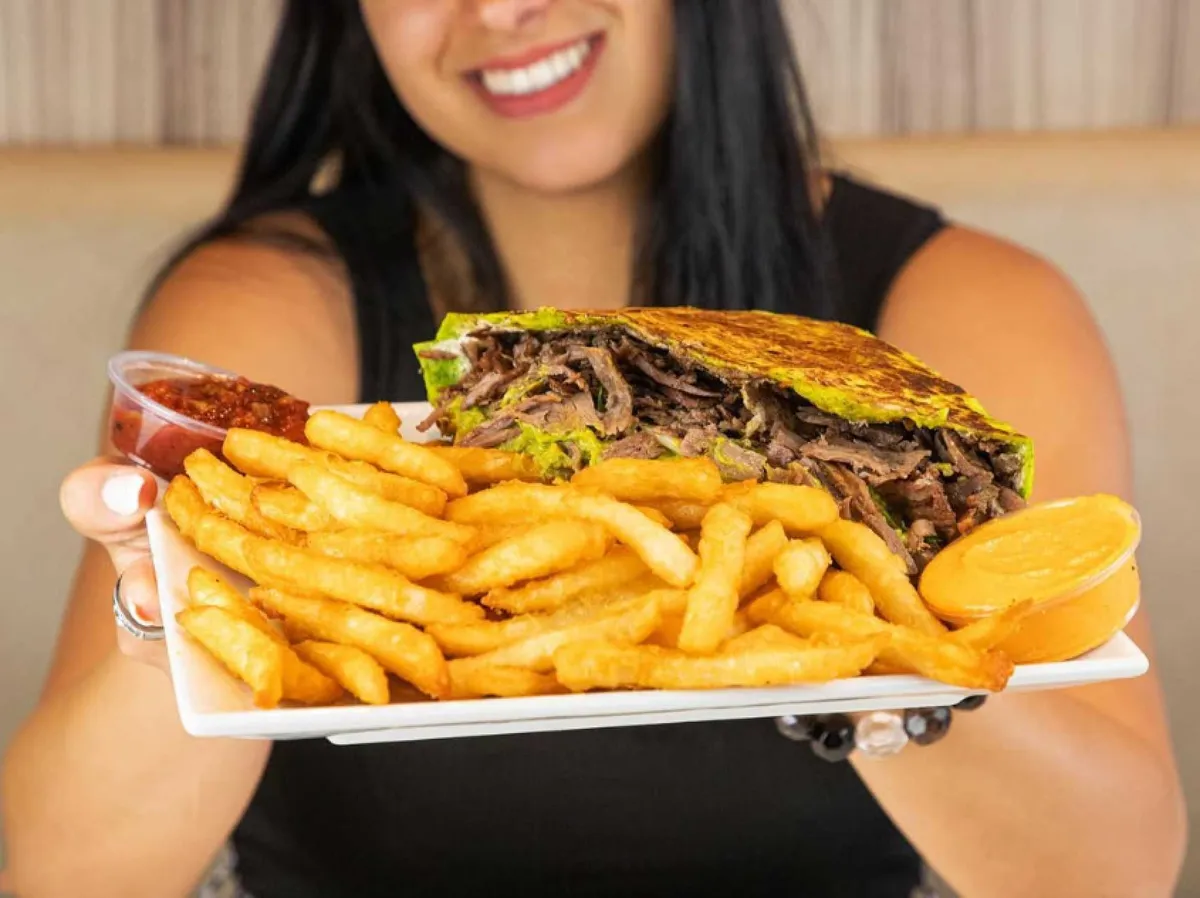
The menu also supports different kinds of cravings throughout the week. Someone may come for a quick wrap one day, a bowl another day, or comfort-style items like garlic potatoes or poutine later in the week.
That flexibility matters because routine restaurants cannot rely on novelty alone. People need enough variety to keep coming back regularly without feeling like they are repeating the exact same experience every time.
Consistency Matters More Than Novelty
In highly residential neighborhoods, consistency often matters more than trendiness.
People remember whether the food tasted good every time. They remember whether the portions stayed reliable, whether service stayed quick, and whether ordering remained easy during busy days.
Neighborhood restaurants build trust gradually through repetition. That is what creates true local restaurant loyalty. It is not built from one perfect meal alone. It develops through dozens of visits where the experience consistently delivers what people expect.
For Shawarmaz NDG, that consistency became part of the location’s identity. Customers know what kind of meal they are getting, how quickly they can order, and what experience they can expect each time they return.
The Reviews Reflect the Routine-Based Culture

One of the clearest signs that Shawarmaz NDG became a routine-based location comes directly from customer behavior itself.
Many reviews naturally mention repeat visits rather than one-time experiences. People talk about returning multiple times in one week, stopping by regularly after work, or becoming frequent customers shortly after discovering the location.
When customers start integrating a restaurant into their normal routines, it means the location is doing more than attracting attention. It is building familiarity and trust.
Why Routine-Based Restaurants Matter
Routine-based restaurants often create stronger long-term growth because they build consistent customer habits rather than relying entirely on constant new traffic.
Repeat customers are what turn restaurants into neighborhood staples. They create stable daily activity, recurring orders, and a stronger community presence over time. In many ways, becoming part of someone’s weekly routine is one of the most valuable things a restaurant can achieve.
Conclusion
Shawarmaz NDG became one of our most routine-based locations because it fits naturally into the way people move through everyday life in the neighborhood. From students and families to professionals and longtime residents, the location supports the kind of repeat dining habits that define strong neighborhood restaurants.
Consistency, accessibility, comfort food, and flexibility all play a role in building that connection over time.
For anyone searching for the best shawarma restaurant in Montreal or looking for the best local Middle-Eastern restaurant in NDG, Shawarmaz continues to stand out by being more than a quick stop. It became part of the neighborhood itself.